TRAVEL UPDATE: Visit Haiti from Home

where to drink

Experience PAPJAZZ, Haiti’s Biggest Annual Jazz Festival

jazz concert on big stage in front of large sitting crowd
PAPJazz festival in Port-au-Prince
Photo: Josué Azor

Experience PAPJAZZ, Haiti’s Biggest Annual Jazz Festival

Copy LinkEmailFacebookShare

One of the Caribbean’s most renowned music festivals, PAPJAZZ is a city-wide celebration of jazz, with performances across multiple venues in Port-au-Prince, many of which offer free entry.

Also known as the Port-au-Prince International Jazz Festival, PAPJAZZ brings together outstanding Haitian musicians alongside world-class jazz artists from the Caribbean, the Americas, and Europe. The festival draws an international audience, making it a melting pot of cultures united by music.

Throughout the week, bars, restaurants, and cultural spaces across Port-au-Prince transform into jazz venues, creating an electrifying atmosphere across the city. While most performances are free, the Karibe Hotel hosts ticketed concerts featuring some of the festival’s biggest acts. Beyond the music, attendees can take part in workshops and discussions that explore the rich and evolving jazz scene of the Caribbean.

How to get the most out of PAPJAZZ

To fully experience PAPJAZZ, make sure to explore its diverse venues, which range from grand concert halls to intimate outdoor spaces. Regular festival hosts include Karibe Hotel, L’Institut Français, Quisqueya University, and Place Boyer, each offering a unique atmosphere.

Budget tip: If you’re looking for a great show without the ticket price, head to Quisqueya University, where entry is free for PAPJAZZ performances.

As the night deepens, the music doesn’t stop—after-hours jazz sessions bring a laid-back, intimate vibe to bars, beer gardens, observatories, and even arboretums. One of the best places to soak in the post-show atmosphere is Quartier Latin, a restaurant known for its Caribbean and Latin cuisine, elegant ambiance, and an impressive wine selection on Hispaniola. Sipping a drink under the stars while smooth jazz plays in the background? It doesn’t get much better than that.

PAPJAZZ Lineup

Every year, PAPJAZZ brings together an impressive mix of international and Haitian artists, showcasing the rich diversity of jazz from across the world. Past editions have featured renowned musicians such as Cecile McLorin Salvant (US), Terence Blanchard (US), Barbra Lica (Canada), Emile Parisien (France), Julian and Roman Wasserfuhr (Germany), and Joss Stone (UK), alongside top jazz talent from Latin America, the Caribbean, and beyond.

Haiti’s own vibrant jazz scene is also a major highlight of the festival, with performances from acclaimed local artists such as BIC, Claude Carré, Paul Beaubrun, Phyllisia Ross, Fatima, Akoustik, Konpa Flashback, and Follow Jah.

Ready to experience the magic of PAPJAZZ? Visit the official PAPJAZZ website for the latest updates, follow them on Instagram, and start planning your trip today!


Written by Jean Fils.

Published October 2019.
Updated March 2025.


Our Favorite Restaurants in Cap-Haïtien

Lakay restaurant in Cap-Haïtien
Photo: Franck Fontain

Our Favorite Restaurants in Cap-Haïtien

Copy LinkEmailFacebookShare

At Visit Haiti, we believe that food is one of the best ways to experience a new culture. After all, what better way to understand a place than through its flavors?

Haitian cuisine is more than just food—it’s a reflection of history, geography, and tradition, full of bold flavors and creative twists. Take akasan, for example—a creamy corn porridge that traces back to the island’s first Taíno inhabitants and has since become a Haitian breakfast staple.

To help you navigate the flavors of northern Haiti, we’ve rounded up some of the best places to eat in Cap-Haïtien. Whether you’re in the mood for seafood, burgers, or a strong cup of coffee, here’s where to go.

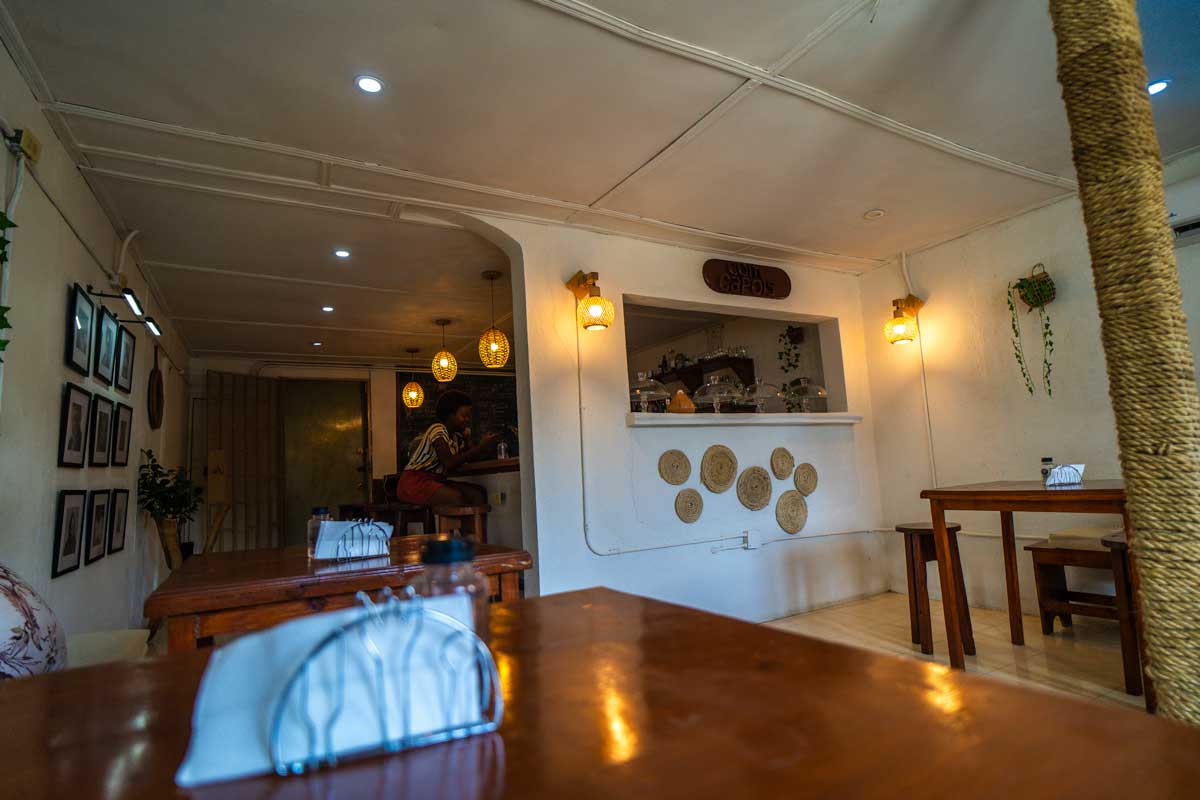
Coin Capois in Cap-Haïtien
Photo: Jean Oscar Augustin

1. Coin Capois

Did you know that the best coffee comes from high altitudes? The higher the elevation, the richer the flavor—and Coin Capois knows it well. That’s why they serve one of the most flavorful coffees in town, perfect for starting your day or enjoying a mid-afternoon break.

If you love cozy, minimalist spaces, this café is the ideal spot to meet up with friends, family, or even enjoy a quiet meal alone.

Though rooted in Haitian flavors, the menu also features international options, including the classic American-style hamburger—so if you’re not quite ready to dive into local cuisine, you’ll still feel right at home.

Our recommendations: Try the Capois Burger or Kap Burger, which perfectly balance Haitian flavors with local ingredients and an international twist.

Have a sweet tooth? You’re in luck. Coin Capois offers donuts, raisin bread, pain au chocolat, banana bread, and cupcakes—plenty of options to satisfy your cravings.

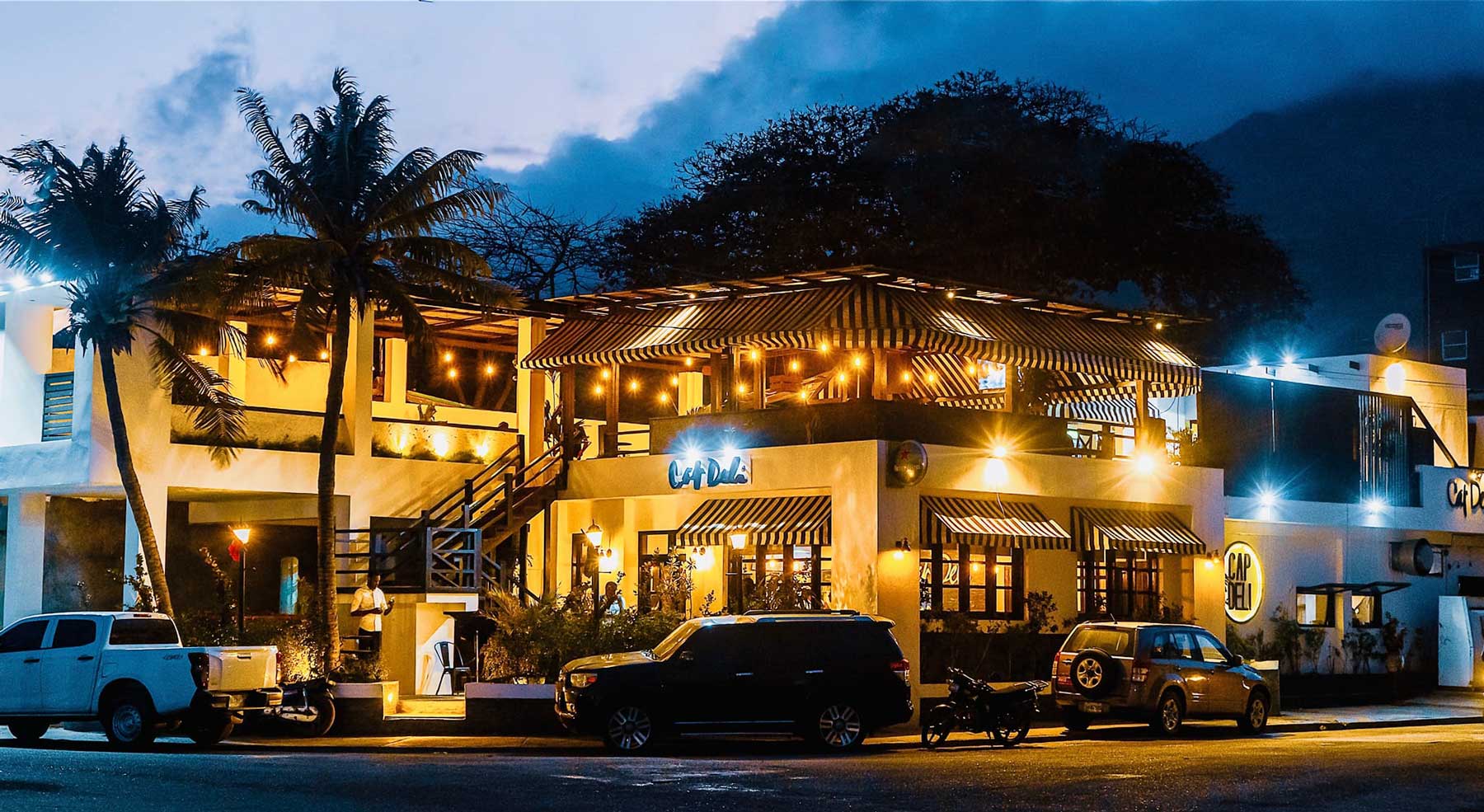
Cap Deli in Cap-Haïtien
Photo: Cap Deli

2. Cap Deli

If you’re looking for great food with a side of good vibes, Cap Deli is the place to be.

With DJs from all over Haiti setting the mood, this spot is just as much about the atmosphere as it is about the food. Whether you’re here for a casual meal or a night out with friends, Cap Deli delivers flavor and energy in equal measure.

The modern decor and friendly staff are a plus, but the real draw is the menu—a mix of comfort food and bold flavors that keep people coming back.

Our recommendations: Try the Meat Overloaded Fries, Seafood Pizza, Griot Pizza, or for something truly special, the Bouillon Pêcheur—a rich seafood and vegetable stew that’s packed with flavor.

Boukanye in Cap-Haïtien
Photo: Boukanye

3. Boukanye

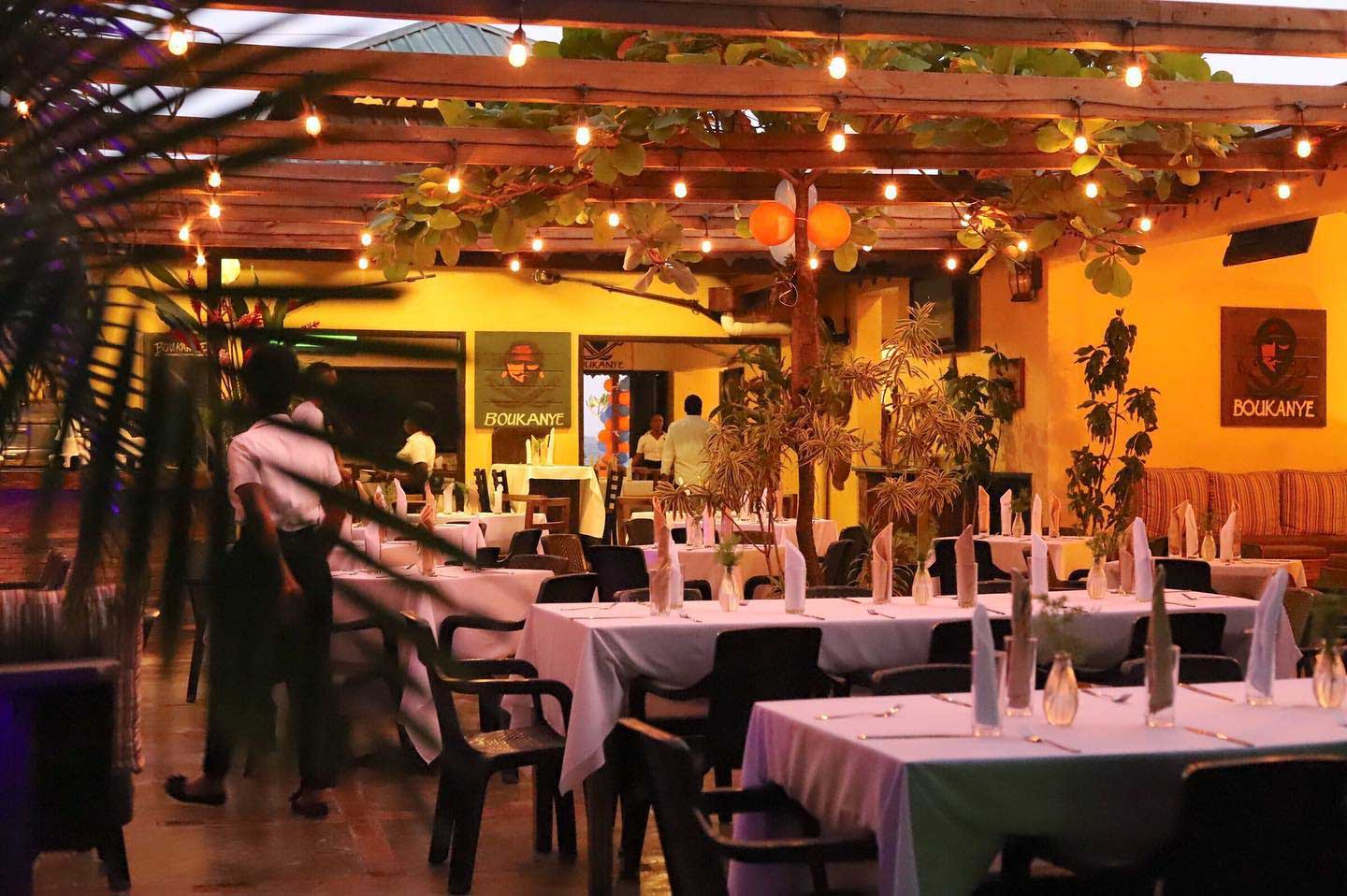
If you’re looking for a spot to enjoy a meal with an ocean view, Boukanye is the place to be. True to its name, this nautical-themed restaurant draws inspiration from privateers and buccaneers, creating a setting that’s both unique and authentic.

Like many restaurants on this list, Boukanye offers a daily special, making it easy to sample local flavors. But what really sets the menu apart is its playful nods to Haitian culture and language. Don’t hesitate to ask your server or guide for explanations—just be ready for a few laughs, as some dish names have unexpected double meanings.

Take “Tibèf”, for example—it translates to “veal”, but in Haitian Creole slang, it can have a completely different connotation.

Our recommendations: Try the spaghetti for breakfast, the daily special for dinner. (Curious why Haitians love hearty breakfasts? We talk about it in our fun facts about Haiti article!).

Want the full Boukanye experience? Come on a Saturday night for “Saturday Vibes”, when the energy is at its peak.

Griot pizza at Potiwa
Photo: Jean Oscar Augustin

4. Potiwa

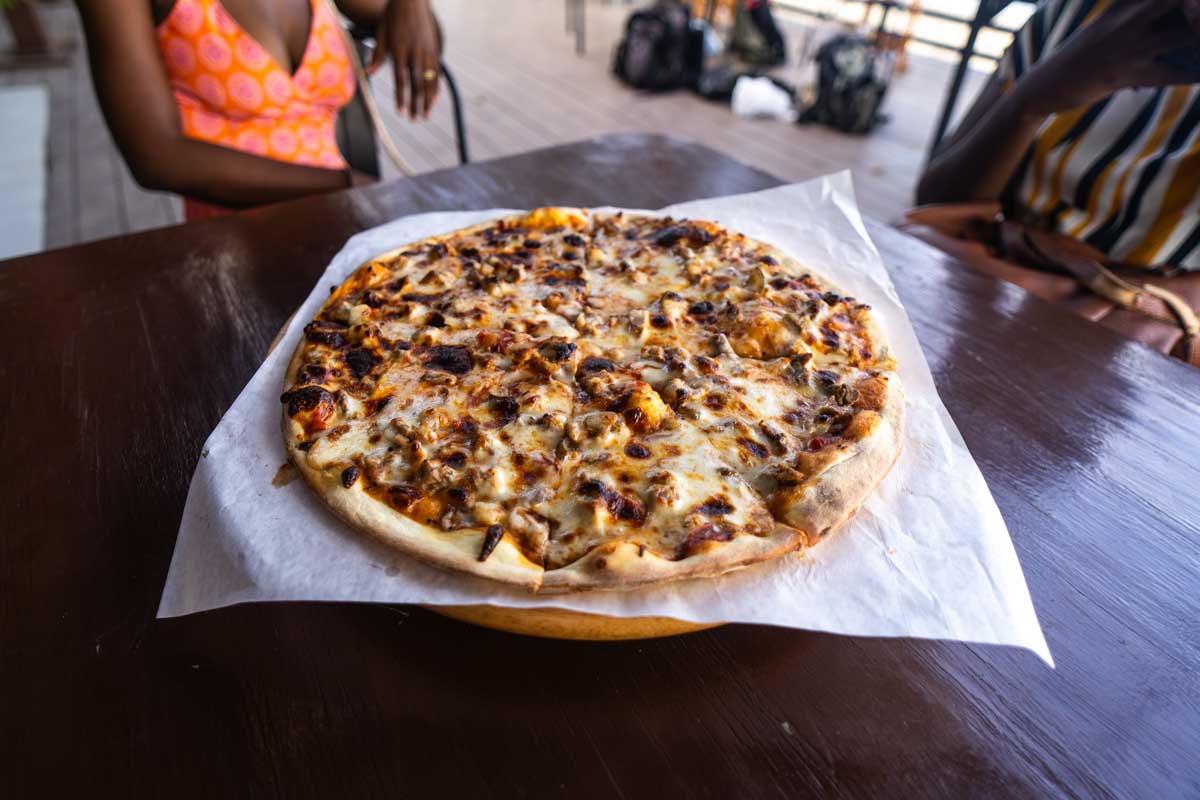
Do you love pizza? Trick question—everyone loves pizza! But if you’re one of those people who think Italy is the only place to find the best pizza, then you clearly haven’t been to Potiwa.

At Visit Haiti, we don’t just talk about food—we talk about art. And Potiwa’s chefs are true artists, crafting unexpected yet mouthwatering flavor combinations that push the boundaries of traditional pizza.

From the Herring Pizza—yes, a pizza topped with Haiti’s beloved herring—to the Haitian Vegetarian Pizza, there’s something for every kind of foodie.

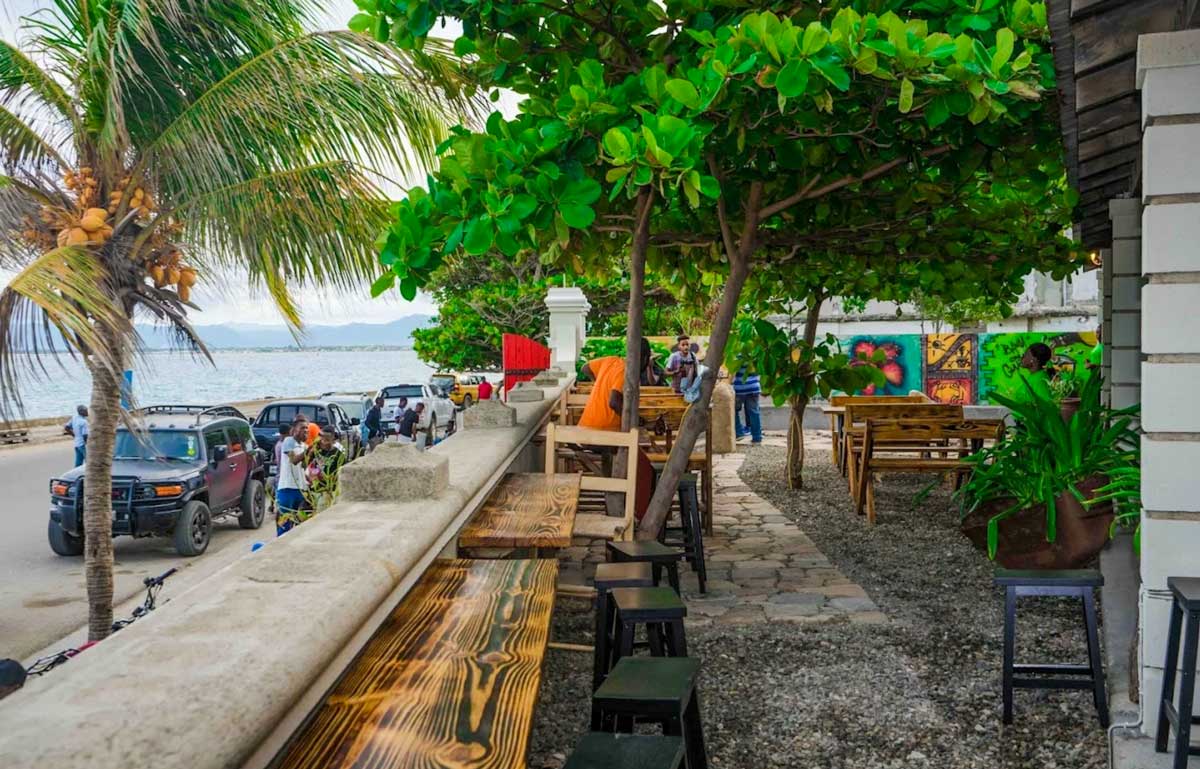
Oh, and did we mention the terrace with a view of the boulevard and passing crowds? It’s the perfect place to enjoy your meal while soaking in the energy of Cap-Haïtien.

Our recommendation: The Griot Pizza with a light crust—a perfect balance of crunch and tenderness.

Gwòg in Cap-Haïtien
Photo: Gwòg

5. Gwòg

The name Gwòg literally means “alcohol” in Haitian Creole, making this spot a go-to for those who enjoy laid-back, stylish, and intimate settings that blend modernity with local traditions.

Here, you’ll find gourmet dishes as well as simple plates like pizza, making it a perfect meeting place for all tastes.

What sets Gwòg apart is the attention to detail—from the warm welcome at the door to the personalized cocktail recommendations at the bar. Whether you’re enjoying a slow evening with friends or stopping in for a quick bite, the staff makes sure every visit feels unhurried and inviting.

Our recommendation: The delicious Amaretto Sour, made with 100% Haitian alcohol.


Written by Melissa Beralus and translated by Kelly Paulemon.

Published October 2020.
Updated March 2025.


Read story

Your Ultimate Guide to Carnival in Haiti

Carnival costumes, Jacmel
Photo: Franck Fontain

Your Ultimate Guide to Carnival in Haiti

Copy LinkEmailFacebookShare

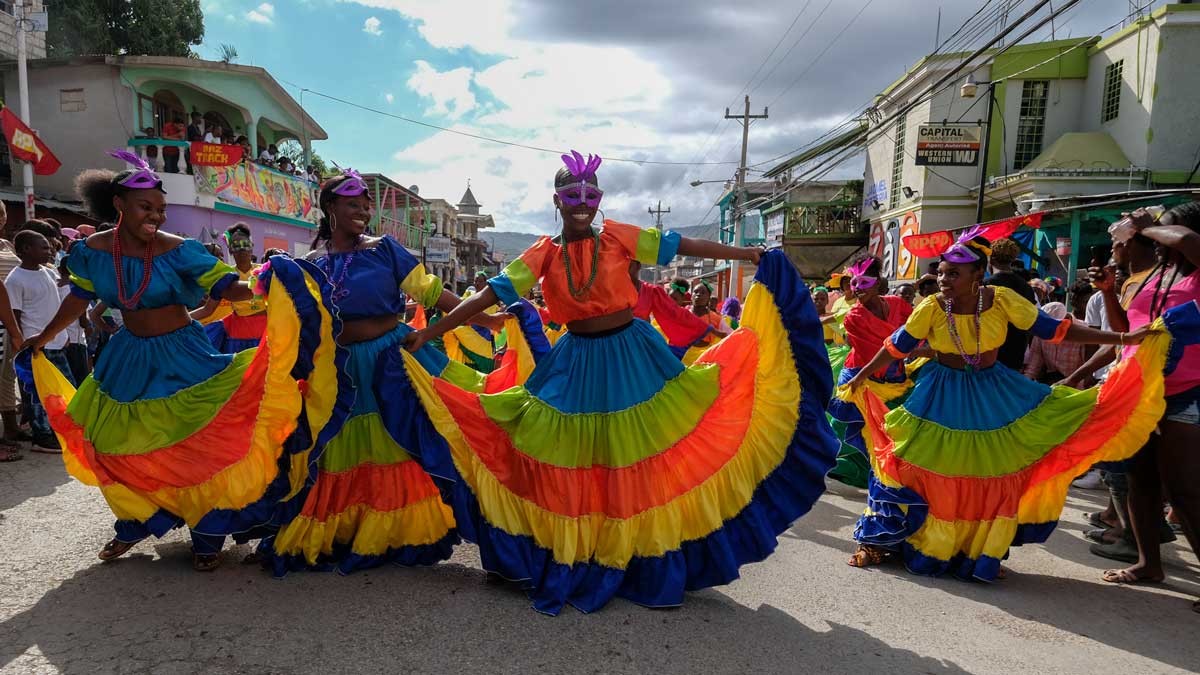
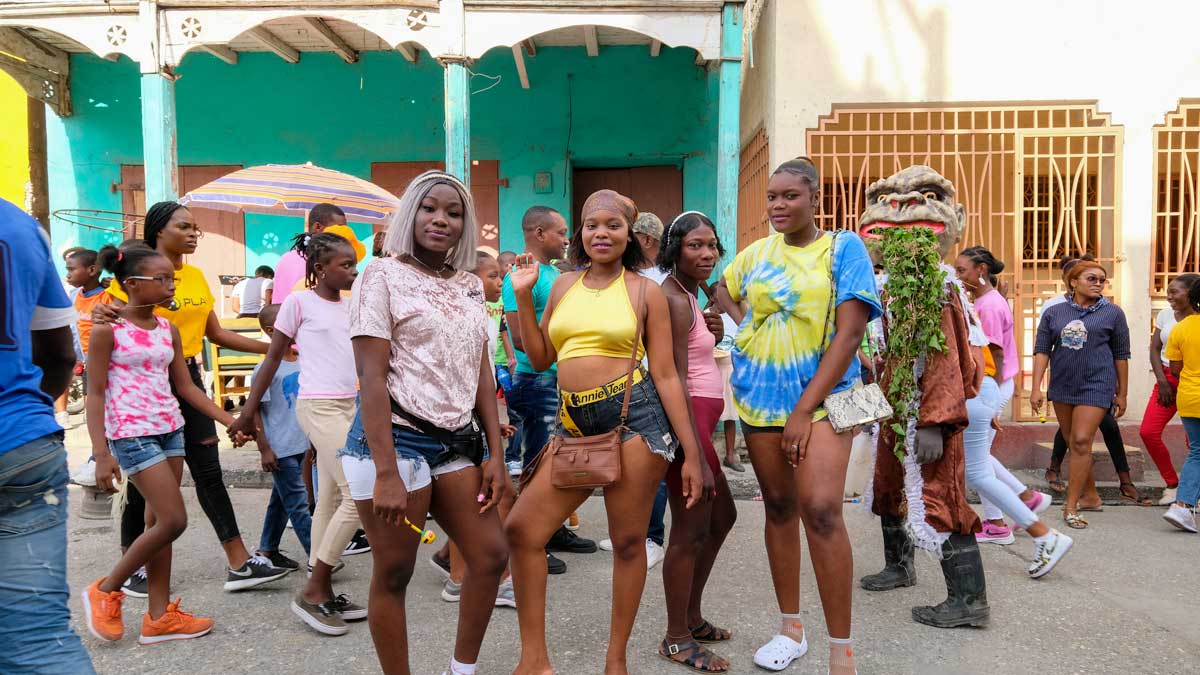
Carnival in Haiti is not just a festival, it’s a cultural institution that runs deep in the veins of its people. For Haitians, music is a way of life and during Carnival, it’s like the whole country comes alive in a rainbow of colors, sounds, and rhythms. 

But it’s not just about the party – Carnival is a transformative experience that shakes things up and inspires change. 

So, read on to learn about what makes Carnival in Haiti so special, and who knows, maybe even plan your own trip to join the celebration!

Carnival costumes in Jacmel
Photo: Franck Fontain

A brief History of Carnival in Haiti

Let’s start from the beginning; the tradition of the Carnival (or kanaval as it’s written in Haitian Creole) in Haiti started during the colonial period in the bigger cities such as Port-au-PrinceCap-Haïtien, and Jacmel. At that time, the enslaved people were not allowed to participate. Slave owners wanted to deprive the people of as much as possible, particularly things associated with the lifestyle of Haiti’s white, slave-owning elite.

But the enslaved people staged their own mini-carnivals in their backyards and areas. With costumes made of rags and their skin painted with ashes and grease they imitated and ridiculed the slavemasters. This practice gave birth to one of the country’s oldest traditions, that of the Lansèt Kòd. Learn more about this iconic figure of the Haitian collective imagination.

The carnival has evolved over the decades to become a national holiday and Haiti’s most important cultural event. Today the atmosphere can be described as that of massive street parties, but it’s also an open-air showcase of artistic creations and craftsmanship.

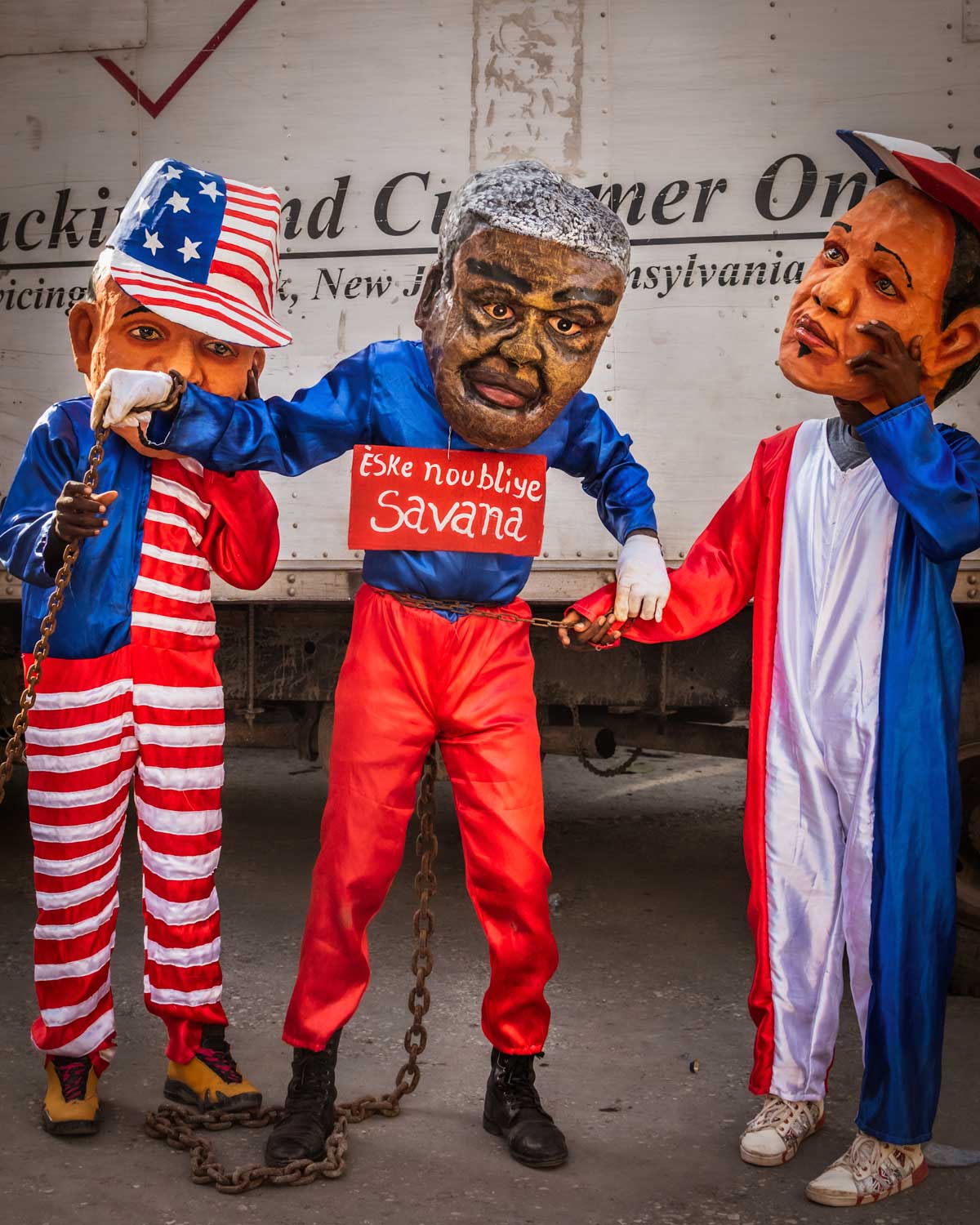
Beyond the celebrations, the food, alcohol, and music, the Haitian Carnival also has a political aspect. The festival provides an opportunity for Haitians to express their popular grievances, through the costumes, the lyrics of the meringues and the songs that are played. The lyrics often contain demands and allegories of social life, which are delivered with the rhythm of the music and at full volume. And many costumes and carnival characters are made as satires and comments on current events.

Carnival characters, Jacmel
Photo: Jean Oscar Augustin

Colorful Costumes and Surprising Characters

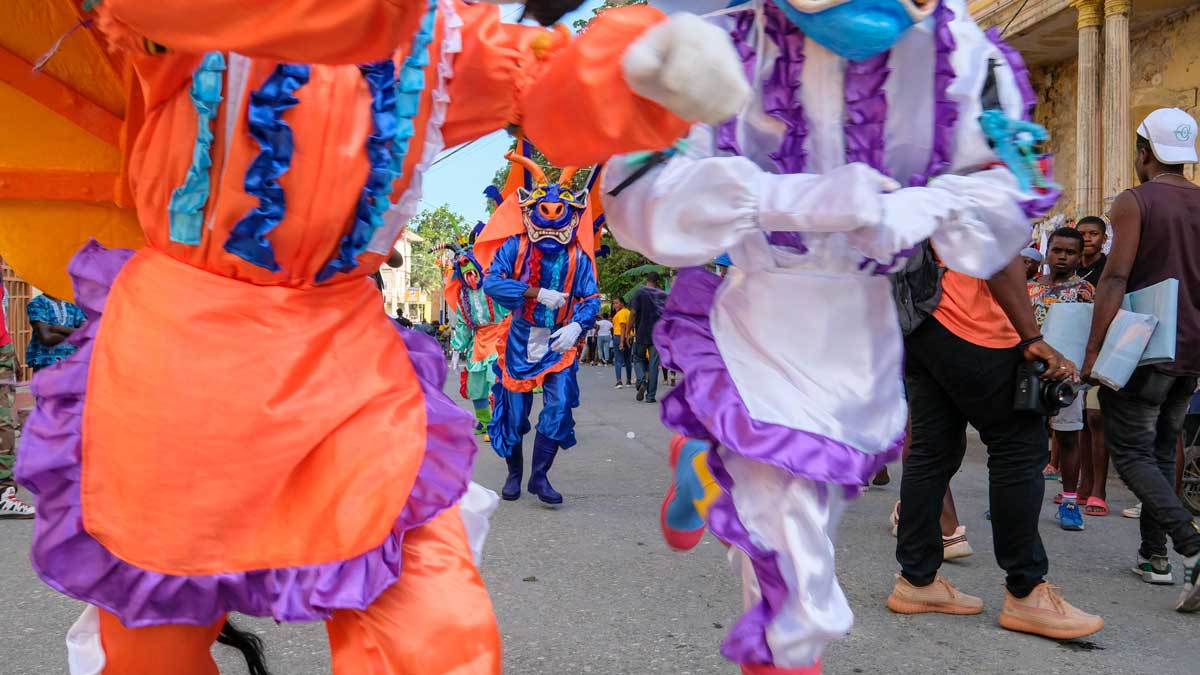
If you ever find yourself at Carnival in Haiti (and believe us, you should) the first thing that’ll catch your eye is the stunning costumes worn by the carnival troupes. Made from papier-mâché, these outfits bring to life the country’s flora and fauna with bright colors and intricate designs. You’ll see everything from exotic birds like parrots and toucans to costumes inspired by the island’s colonial past.

But the costumes aren’t the only thing that makes the Haitian Carnival so special. The festival is also home to a wide range of colorful characters, both real and fictional. You might come across a larger-than-life portrayal of Barak Obama and Vladimir Putin or a whimsical depiction of Cholera or COVID-19. And don’t forget the historical figures, like the heroes of Haitian independence and the Taíno Indians, the island’s first inhabitants.

Each costume and character at the Haitian Carnival has a unique story to tell, representing different aspects of the country’s culture, history, and folklore. Looking to dive deeper into the fascinating world of the Haitian Carnival? Check out this visual guide, where we unpack the history and rich meanings behind the colorful costumes from Jacmel Carnival.

Carnival participants dancing, Jacmel
Photo: Franck Fontain

Carnival Music, Beats and Rhythms

The music of the Haitian Carnival is a unique blend of European and African influences, creating a sound that is both lively and expressive, composed of percussion, bamboo instruments, trumpets, and accordions. At the heart of the carnival is the Rara, a traditional bann a pye (literally “bands on foot” or marching band) that is closely tied to the practice of Vodou. 

In addition to Rara, the carnival is also influenced by other more modern music genres like the well-known compas, Creole rap, roots music, and raboday, which is a popular music genre that emerged in the mid-2000s. This genre is based on a traditional music style called “Rasin“, which mixes Vodou rhythms with modern pop-rock music. Raboday is often characterized by its energetic beats and heavy use of percussion, and it’s a favorite during carnival season and at dance parties all around Haiti. And last but not least, let’s not forget the meringue – one of the most popular styles of Haitian music you’ll hear during carnival.

Kleren vendor in Jérémie
Photo: Franck Fontain

Carnival flavors not to miss

Beignets
A staple of the Haitian kanaval tradition, beignets are a must-try delicacy during the carnival season in Haiti. Unlike traditional beignets, which are usually puffed fried batter, Haitian beignets are flat and made with bananas. 

These delicious small treats have a similar appearance to mini crêpes but with a crunchy texture and are sprinkled with a generous amount of sugar. Don’t miss out on the chance to taste these sweet treats, as they are not commonly found outside of the carnival season.

Kleren
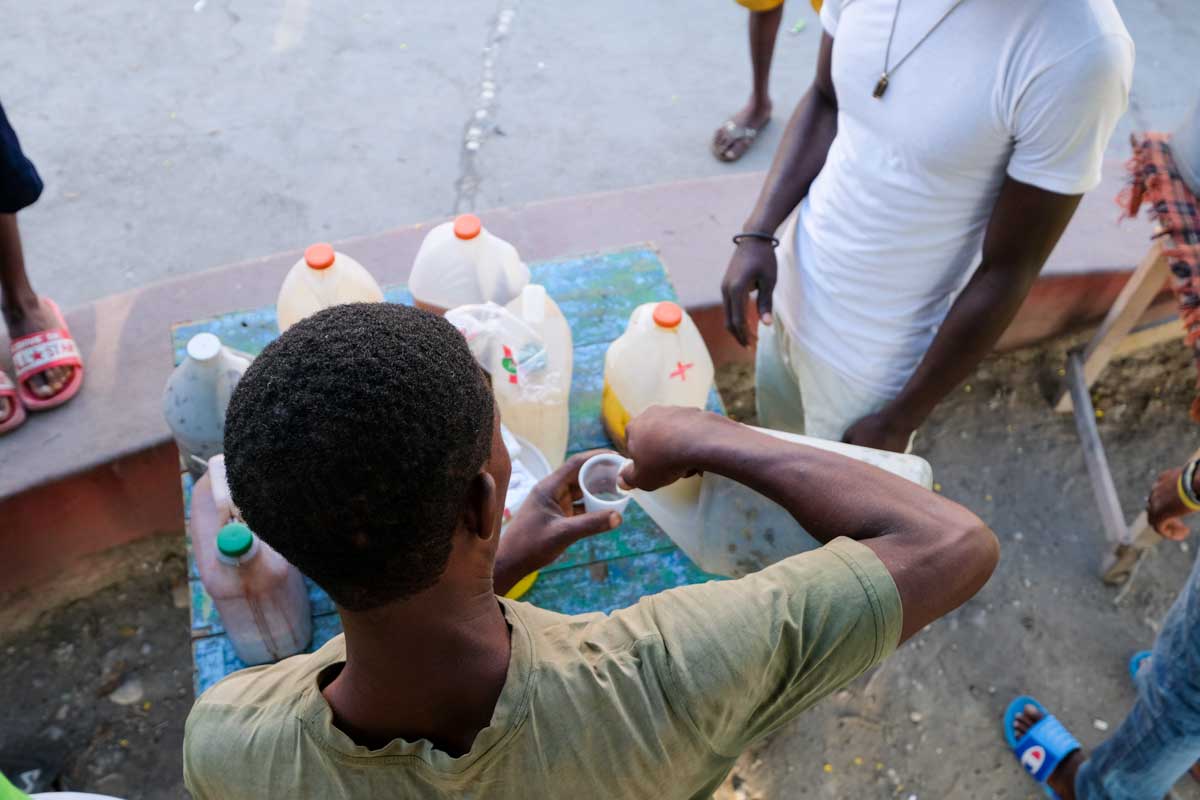
Another local flavor to try during carnival is “trampe” – a variety of the locally produced moonshine known as kleren (or clairin for French and English speakers). This type of artisanal rhum has a centuries-old tradition in Haiti and is an important part of the country’s culture. Trampe refers to kleren that has been macerated for weeks or even months with local fruits and spices, resulting in unique and flavorful blends.

During the carnival, you’ll find street vendors offering big jugs of kleren with various flavors and promises of health benefits and aphrodisiac properties. There are plenty of popular local trampe flavors to choose from, such as Kenep, which has a subtle sweetness from the Haitian fruit also known as quenepe or limoncello.

Bwa kochon is another popular flavor, infused with bark, wood, and leaves for an extra strong and earthy taste. Grenadya is a tangy and sweet flavor made with passion fruits, while Lanni is a sweet trampe infused with cinnamon, star anise, or fennel.

Carnival goers in Jacmel
Photo: Franck Fontain

When is Carnival in Haiti

Carnival in Haiti is not a one-day event, as you might know it from other countries. In fact, it spans from January to the big parade during the Trois Jours Gras (three fat days) in February or March. Throughout the season, there are festivities and celebrations held every Sunday in many of the major cities in Haiti.

Whether you’re an art enthusiast, or maybe just want to party it up, there are several destinations you can choose from to experience it all.

Where to Experience the Haitian Kanaval

Jacmel
Jacmel’s carnival is a must-see for art lovers, with its out-of-this-world paper-mâché masks and glorious costumes crafted by local artisans and artists. The carnival of this sleepy coastal town is considered one of the most beautiful in the Caribbean due to the creativity and magnificence of its artistic displays. During the carnival season, Jacmel hosts several events and activities, leading up to the three-day celebration of Trois Jours Gras.

Want to party like a Haitian at Jacmel Carnival? Read this first!

Port-au-Prince
The Carnival in Port-au-Prince is the most popular in Haiti, attracting a large crowd of festivalgoers who come to enjoy the explosive atmosphere of music and dancing. The parade features artistic creations, marching bands, and large floats, but the real highlight is the musical groups that parade at Champ de Mars, the city’s largest public square. Here, the most famous Haitian bands and artists compete to see who will have the best carnival slogan, float, or song.

Cap-Haïtien
If you’re looking for a more peaceful carnival experience, Cap-Haïtien is a great choice. The parade takes place every year on the ocean-side Boulevard du Cap-Haïtien, which is also home to some of the city’s best restaurants. The Carnival in Cap-Haïtien is known for its orderliness and calm atmosphere, making it a great option for families and those who prefer a more relaxed celebration.


Written by Costaguinov Baptiste.

Published April 2023.


Read story

Visit the Oloffson Hotel

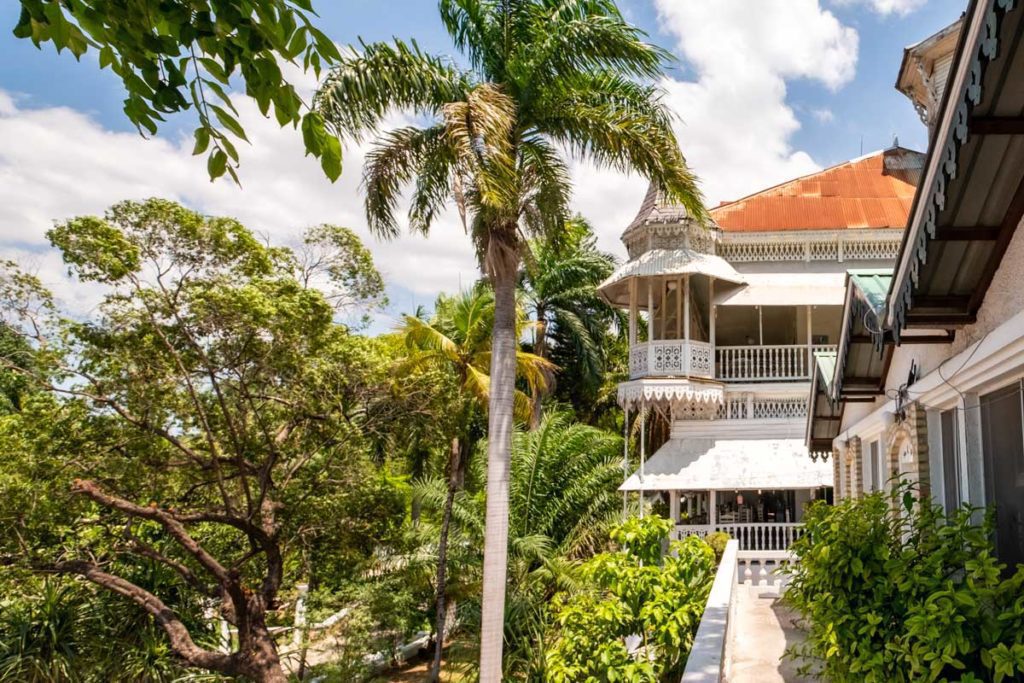
facade of gothic style gingerbread hotel with palm trees
Hotel Oloffson, Port-au-Prince
Photo: Jean Oscar Augustin

Visit the Oloffson Hotel

Copy LinkEmailFacebookShare

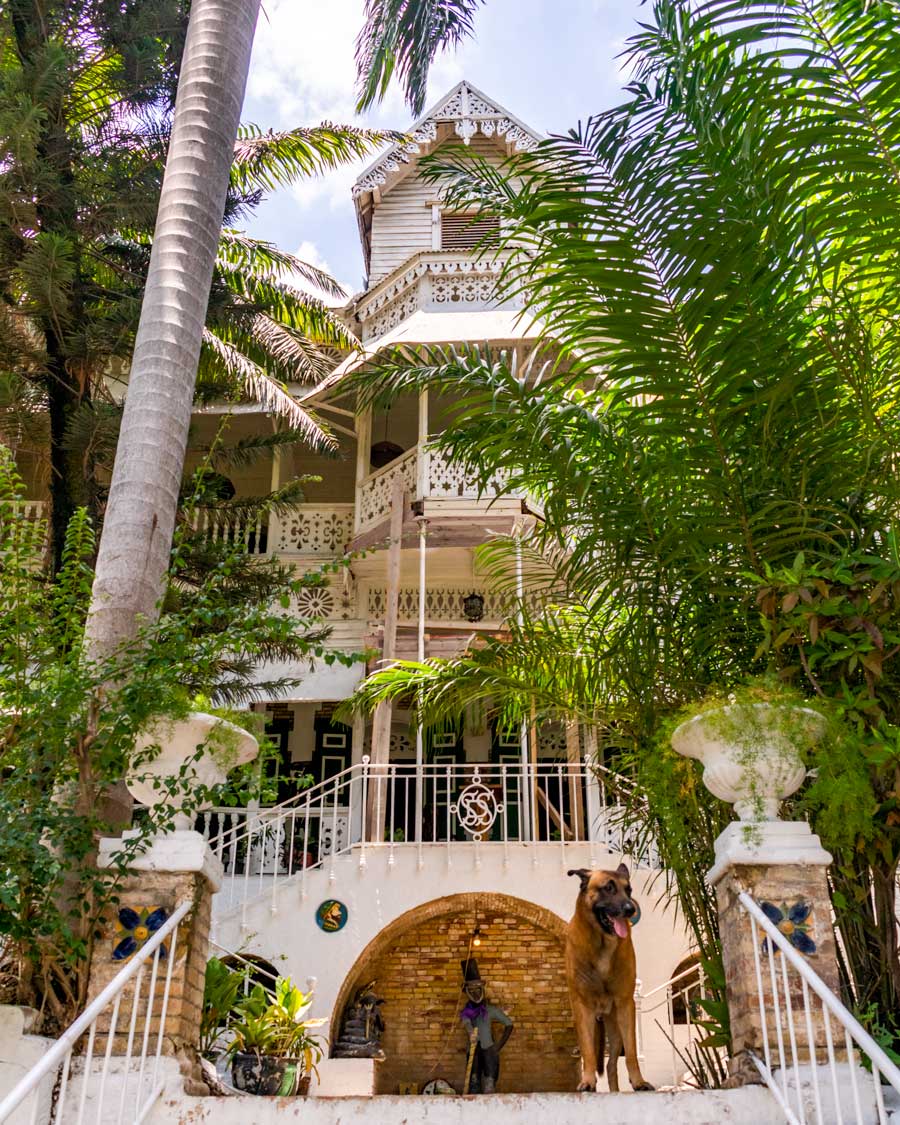
The iconic Hotel Oloffson, a gothic “Gingerbread” mansion surrounded by a lush tropical garden, has been described as the most iconic hotel of not just Haiti but the whole Caribbean. The rickety 19th-century mansion is amazingly intact given its location in the centre of a city that has seen so much destruction.

While I wait for the black iron gates to open, passersby weave around my car. I honk again, and the gates creak open just enough to let me through. A doorman in a black cap and a faded T-shirt nods at me, then promptly creaks the gate shut again.

A winding cobblestone path flanked by green foliage disappears into deep gardens. There’s no hotel in sight. Instead, wrought iron sculptures with diabolic faces peer out from between the leaves. More and more strange sculptures appear, some created from car parts in a style I recognize as belonging to the Atis Resistance movement.

As the driveway winds further uphill, the white lattice of the mansion roof appears over the palm trees and mango leaves. On the left side of the driveway, a glittering white-and-mirror mosaic wall emerges into view. In the center, the mural shows a red and blue boat. Trained eyes know that more than a simple sailboat, this is actually a dedication to the vodou spirit of the sea, Agwe. Near the anchor that dips into the white waves, sacred inscriptions hint at the magic and folklore that infuses Hotel Oloffson.

Baron Samedi sculpture, Hotel Oloffson
Photo: Jean Oscar Augustin

Parking on a cobblestone flatway, I turn off the motor, and approach the famous front entrance of the Hotel Oloffson. Craning to look up, I marvel at the nest-like widow’s peak and the many turreted balconies on the upper floors. This particular example of gingerbread architecture was described as “an illustration from a book of fairy tales” by American author Graham Greene who once lived and wrote here. A fan of Wes Anderson Movies, I imagine the Hotel Oloffson as a Caribbean cousin to The Grand Budapest Hotel.

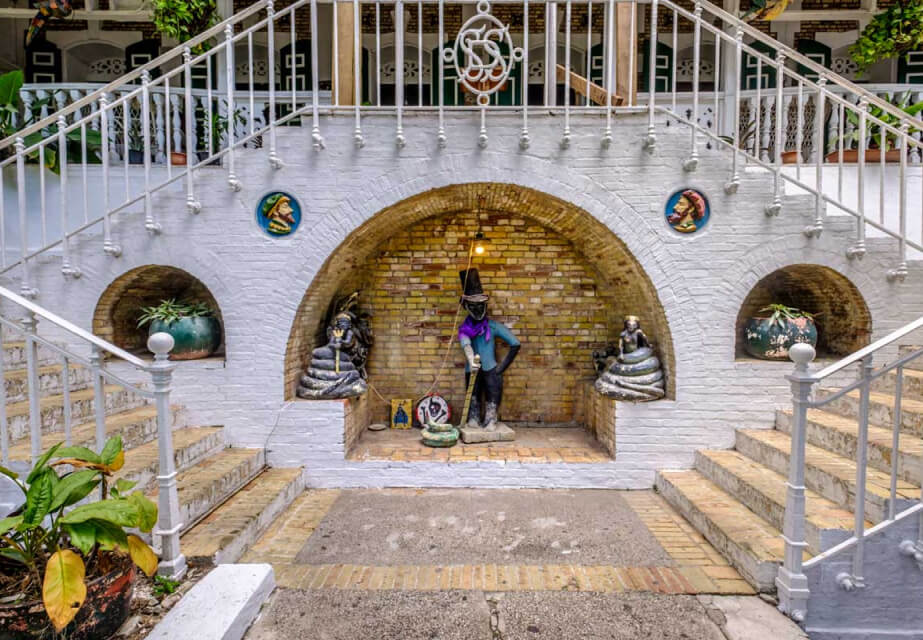
An air of sleepiness and reverie envelops the front steps which veer off to the left and right. Everything is painted white – the bricks, the timber upper stories, the intricately carved wood panels that section off the balconies. In an alcove set into the white stone base of a staircase, several sculptures stand watch, including a three-foot-high man who represents the Gede family of vodou lwa. The Gede are the gods of the crossroads between life and death celebrated annually during the Haitian Day of the Dead.

hotel restauarant veranda with tile floor green doors
Restaurant veranda at Hotel Oloffson
Photo: Jean Oscar Augustin

The Hotel Oloffson Restaurant

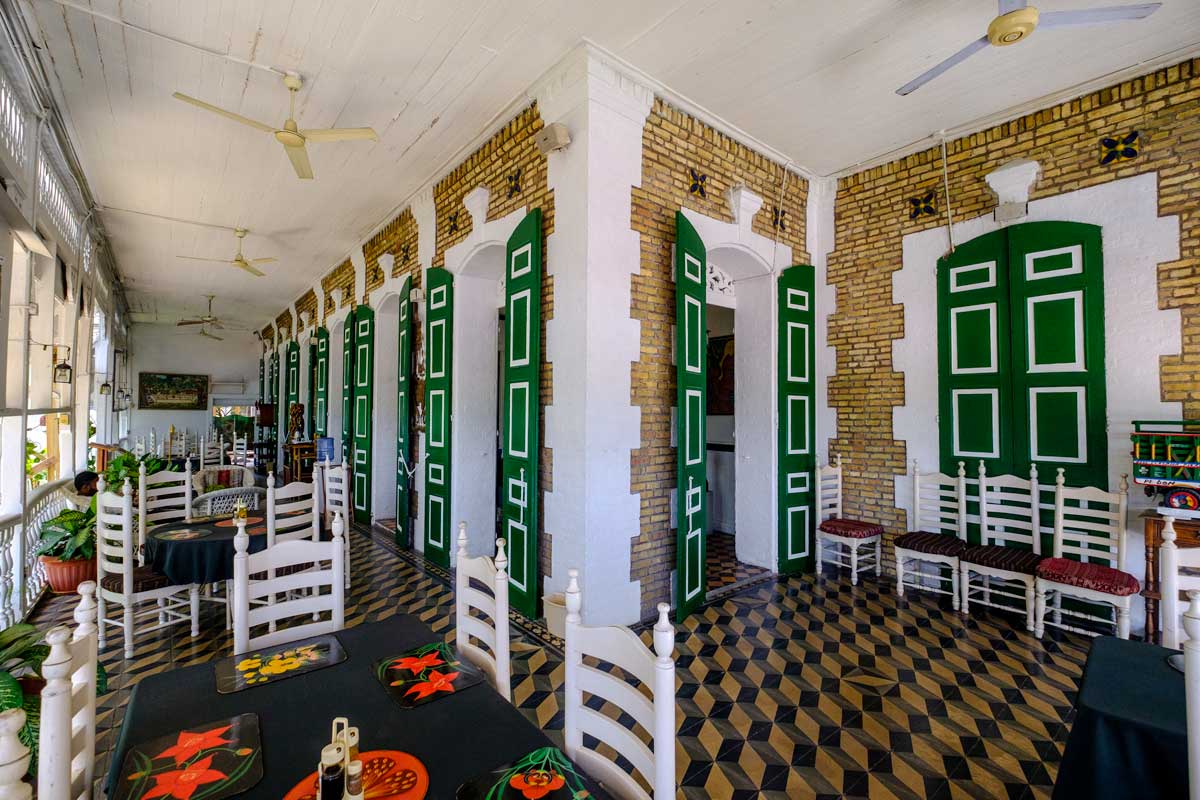
At the top of the stairs, an ancient-looking butler stands sentinel at the restaurant entrance. Behind him, an expansive verandah leads through a sequence of lobby rooms to a concert stage. I nod to the butler and choose a table in the far corner, overlooking the city of Port-au-Prince and the strip of azure sea beyond. A century of politicians, musicians, local artists and vodou priests have sat in this same chair.

The butler takes my order – the Oloffson’s famous rum punch cocktail and a side of accra – and shuffles over nineteenth-century mosaic tiles to disappear behind saloon doors painted with a vivid Haitian countryside scene. Haitian art is smattered across the grounds. The corner table of the Oloffson verandah is an excellent vantage point to take in the art collection that begins in the sculpture garden below and creeps up to the mansion, covering nearly every wall of the hotel lobby, restaurant, and its myriad guest rooms.

Above the table, a pearly pink-and-white sequined flag catches my eye. It carries one of the lwa cosmograms- sacred designs that act like a beacon, calling down the corresponding spirit. The curving heart shape indicates this is a flag created for Erzulie Freda – spirit of love and protector of children.

hotel bar interior with liquor bottles and old framed mirror
Bar at Hotel Oloffson
Photo: Jean Oscar Augustin

What to order

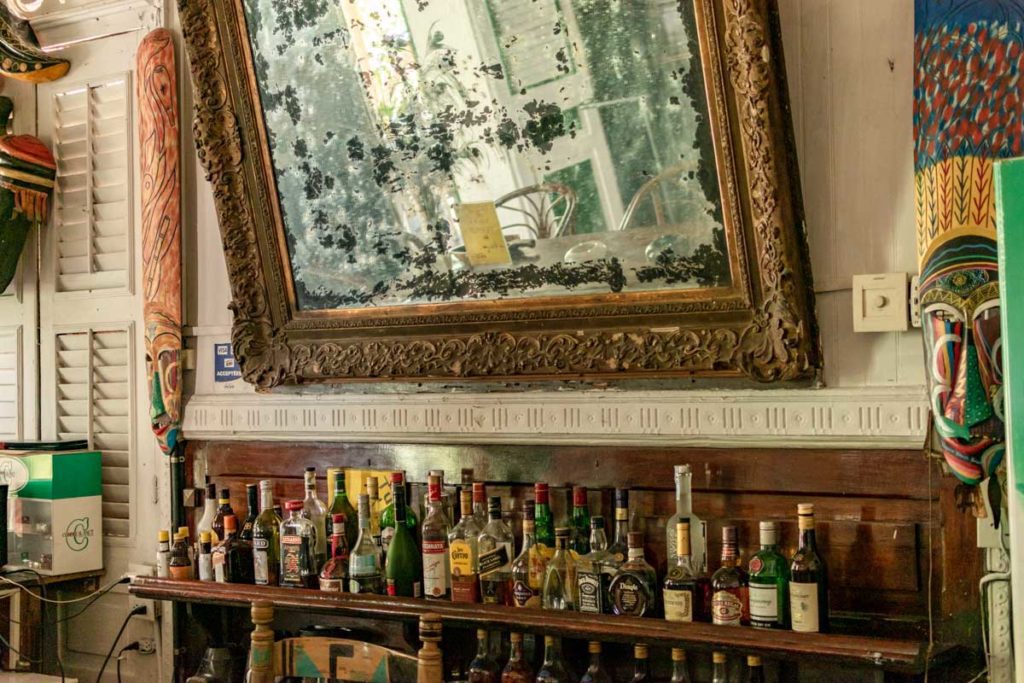
For starters, try the Oloffson’s famous rum punch cocktail, or a rum sour if you’re after something simpler. The best accompaniment is accra: the deep-fried, very spicy batter made from malanga root is prepared with special care in the hotel kitchen below, and arrives with a heaping pile of spiced pikliz – best eaten with your fingers.

old gothic style gingerbread hotel with lush green trees
Hotel Oloffson, Port-au-Prince
Photo: Jean Oscar Augustin

History

The mansion was built as the primary residence for the Sam family, an influential clan that boasts two former presidents of Haiti among its ranks. In 1915, following the infamous death of its owner at the hands of political protestors, the Sam mansion was seized by US military forces. The mansion served as a US military hospital until the US occupation ended in 1934.

Few visitors to Haiti know how the famed Hotel Oloffson got its current name, but I’ll let you in on the secret. In 1935, when the US occupation ended, the mansion was leased to a Swedish sea captain named Werner Gustav Oloffson, who wanted to retire from life on the open water in Haiti’s summery climate. Along with his wife Margot and two children, Captain Oloffson set about converting the lush expansive gardens, gingerbread mansion and hospital wing into Haiti’s finest hotel.

In the 1950s, 60s and 70s, the hotel went Hollywood. An outpost for the rich and fabulous, the Oloffson hosted the American political and cultural elite – Jackie Onassis Kennedy would often be found fanning herself on the nest-like balcony of the grand honeymoon suite. The emerald-green swimming pool in the garden hosted an endless stream of parties for musicians, models and writers, as one expat owner after the other took their turn at the helm.

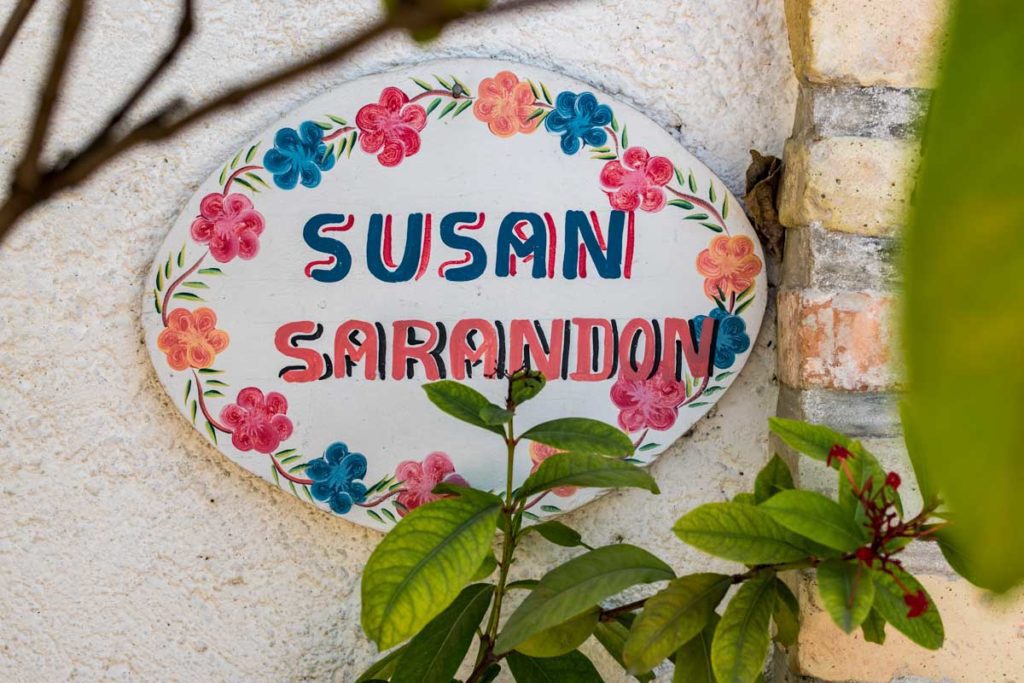
Many of the rooms now boast hand-painted placards with the name of a famous past guest. Visitors can sleep in the Mick Jagger room, Jackie O room, Graham Greene room and more. Like their erstwhile guests, the hotel corridors are anything but straight and narrow: some suites are situated above the swimming pool, connected by hidden corridors. Others you reach by a winding narrow staircase off the main lobby. The staircase to the second floor is an ancient wooden construction that sinks underfoot in places, and leads further up into lofty galleries, then through a wooden passageway. Still more wooden passages take visitors into the wing that once held the American military hospital. The most sought-after rooms are in the main mansion, just above the lobby.

"Sunsan Sarandon" handpainted placard with flowers
Susan Sarandon placard, Hotel Oloffson
Photo: Jean Oscar Augustin

Live Music

Every Saturday night at the Oloffson, the band RAM – an absolute national treasure – delivers an unforgettable performance of vodou-infused rock. If you’re not a guest at the hotel or paying for a sit-down dinner, you’ll need to pay an entry fee of 500 HTG (about 5 U.S. dollars). The show starts around 10:30. Expect sing-a-longs with an enthusiastic crowd and dancing all night long. (Note that until recently, RAM played every Thursday, but changed to Saturdays in 2020.)

Weekly performances by RAM have become a ceremonial-grade ritual loved by all levels of society. Remarkably, in a country where consistency is hard to find, the band has consistently gigged at the Oloffson since 1990, when the band’s frontman took over running the hotel.

A “vodou rock and roots” band, RAM incorporates traditional vodou lyrics and instruments, such as rara horns and Petwo drums, into rock, and their lyrics are sung in a macaronic medley of Haitian creole, French and English.

Read more about RAM concerts at Hotel Oloffson here.

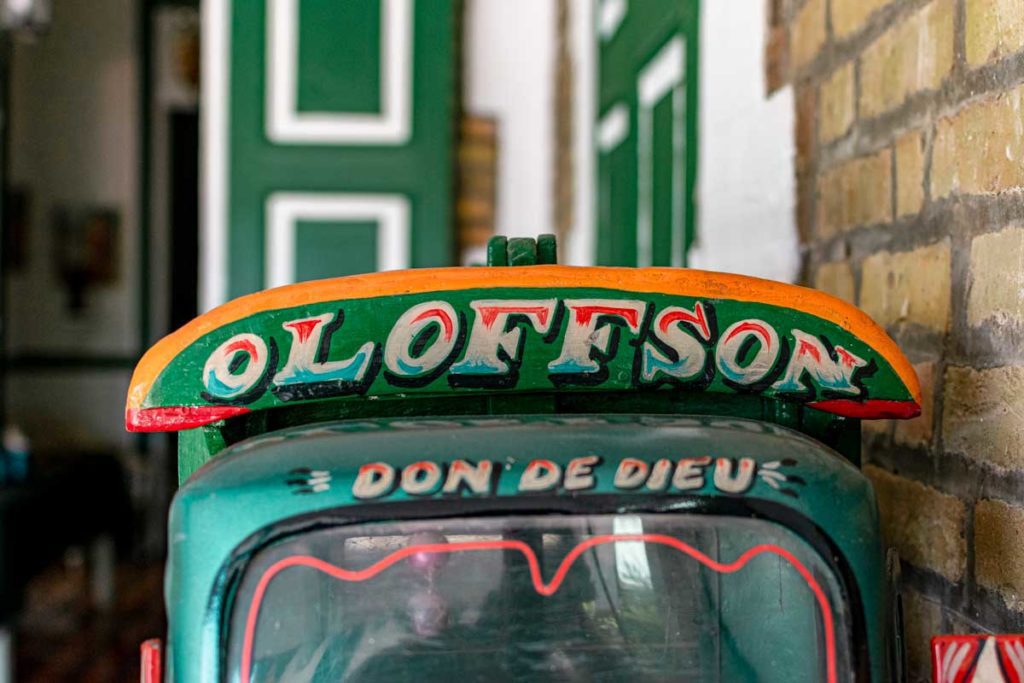
handpainted toy bus with Hotel Oloffson logo
Hotel Oloffson, Port-au-Prince
Photo: Jean Oscar Augustin

The 2010 earthquake

After the 2010 earthquake, the Oloffson was one of the few hotels left standing in Port-au-Prince. Some joked that the ancient structure was held together by termites in the wood and magic in the rafters, but research has since shown that Haiti’s traditional gingerbread houses are surprisingly earthquake resistant.

The Oloffson became a major hub for the influx of humanitarian workers and global media outlets that descended on the capital. The expansive porches and grounds were an informal HQ for foreigners and emissaries of the estimated hundred thousand charities who became active in the “NGO Republic” of Port-au-Prince. Anyone seeking a meeting or rendezvous point defaulted to the Oloffson.

Era after era, the space has served its guests loyally. The Oloffson has been a family home, hotel, hospital, jam-hall, meeting place, humanitarian headquarters, art gallery, and celebrity escape.

The Hotel Oloffson stands guard over downtown Port-au-Prince, undeterred by rebellion, earthquake, or the famous faces that wander its corridors. The beauty of the fairytale is still unraveling, and seated comfortably in my chair with this view, I feel grateful for yet another chance to weave my own story into the stories of those who have come before. Sipping my rum punch, I wonder what will become of this space in another fifty years. Who will drive up the garden passage, and what incarnation of the Oloffson will they find?

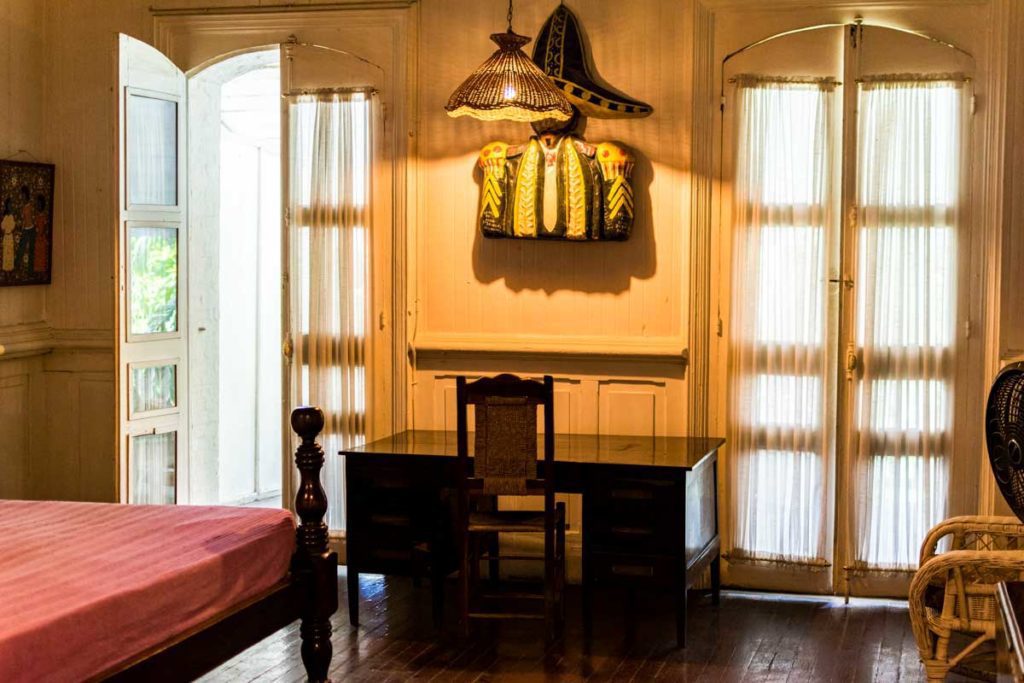
interior of hotel guest room with wodden desk and sunlight
Balcony room at Hotel Oloffson
Photo: Jean Oscar Augustin

Stay at the Oloffson

Almost a century after Captain Oloffson took over the sprawling gingerbread mansion, the Oloffson is still running as a boutique hotel.

Guests can stay in one of 22 rooms, dine at the in-house restaurant and lounge at the outdoor pool. All suites include a free continental breakfast, free WiFi, and free parking. One of the Oloffson’s attractions is its seclusion, and to save you having to travel into the city for essentials, there’s even a convenience store on site.

RAM plays on Saturday nights. The show is free for hotel guests and dinner customers.

The Oloffson is hidden from view on 60 Ave Christophe, Port-au-Prince, in the neighbourhood of Saint Gérard, just near trendy Pacot.

Within a short walk you’ll find the Museum of Haitian ArtChamps de Mars Square and the National Pantheon Museum. Haiti’s main airport is a 10 minute drive away.

Book your stay now!

facade of gothic style gingerbread hotel with palm trees and dog
Hotel Oloffson, Port-au-Prince
Photo: Jean Oscar Augustin

Written by Emily Bauman.

Published October 2020.


Read story

Try Barbancourt rum

a mixed rum sour drink with ingredients
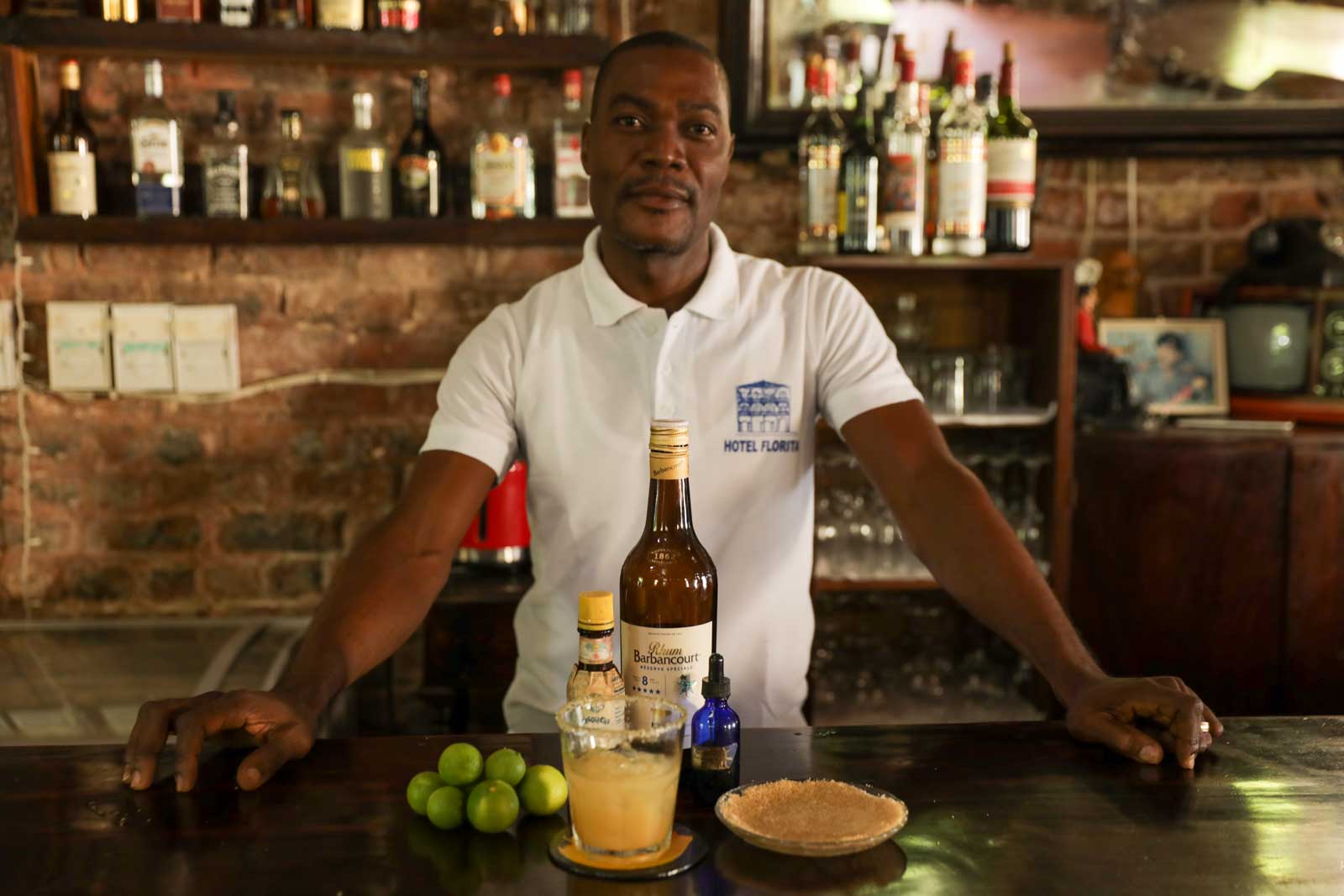
Rum sour cocktail made with Barbancourt Rum at Hotel Florita, Jacmel
Photo: Mikkel Ulriksen

Try Barbancourt rum

Copy LinkEmailFacebookShare

While Haitian culture might be distilled down into the Kreyol phrase pa gen pwoblem – translated as ‘have no problem’, there’s plenty of things Haitian culture does have in spades: beaches, carnivals, rara bands, public transport banter and, of course, rum!

Rum production goes back centuries in Haiti, and one of the oldest brands is also the biggest – you’ll see the “Barbancourt” brand wherever you go.

But how did this rum become such a fixture of Haitian culture?

Distilled in Haiti since 1862

Haiti’s most popular rum distillery started in 1862 when Frenchman Dupré Barbancourt set foot in Haiti. With a background of cognac production in southwestern France; the original Barbancourt moved to Haiti to capitalise on the island’s famed sugar production.

That same year, once Barbancourt had learned the basics of making rum rather than cognac, he opened and launched his business. Incorporating his knowledge about cognac-making, Barbancourt double distilled his rum, increasing the alcohol content of the final product.

In the early days, a gallon of Barbancourt rum retailed for thirty cents!

After Barbancourt passed away, his wife Nathalie Gardère took the reigns. The business has remained in the family ever since, and is now into a fifth-generation.

a bottle of haitian rum
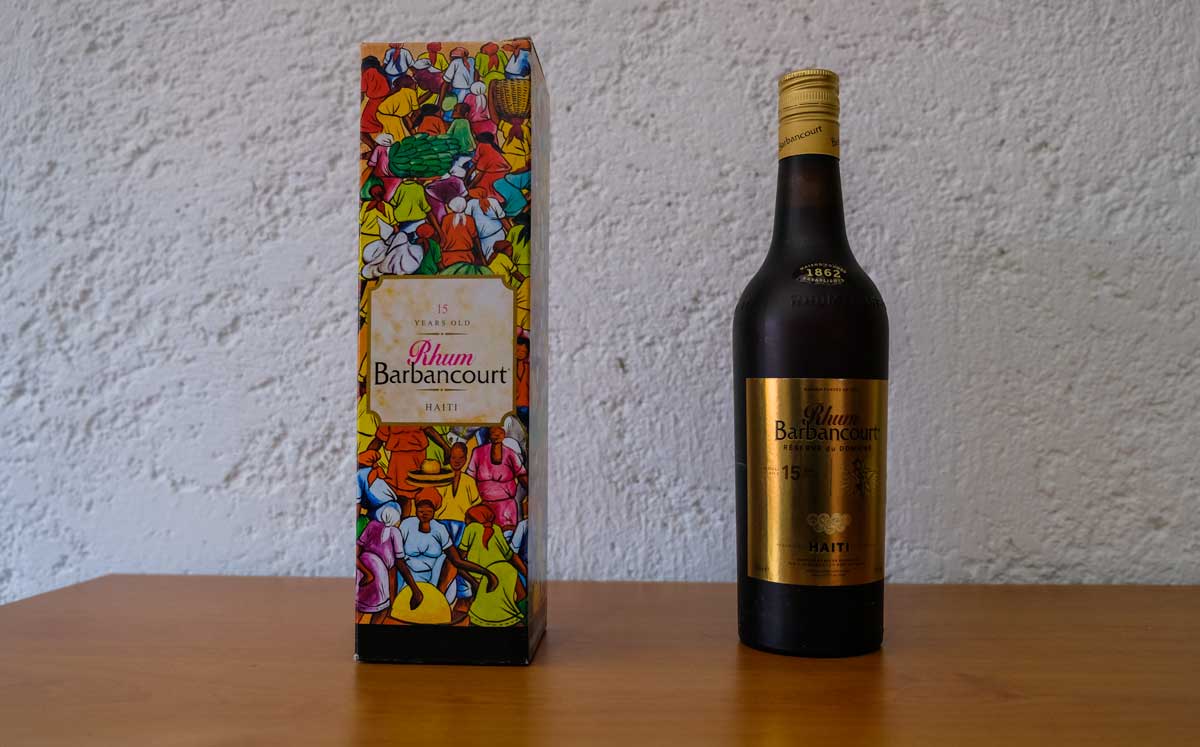
Barbancourt Estate Reserve rum with artwork by a famed Haitian painter Félix Jean
Photo: Franck Fontain

A cultural icon

The company evolved to become the most well-known and celebrated rum in Haiti. By making appearances at all major cultural events – carnival, rara season, patron saint festivals – Barbancourt solidified its iconic presence in Haitian culture.

These days, Barbancourt prides itself on being a Haitian company, employing Haitians to make a product for Haitians. Since its founding, it has been one of the strongest supporters of the Haitian art and culture scene (look closely at the packaging of the Estate Reserve rum and you’ll find an artwork by a famed Haitian painter Félix Jean).

An article about rum in Haiti wouldn’t be complete if we neglected the importance of rum in Haitian folklore and Vodou. At most Vodou ceremonies, carnivals and patron saint festivals, rum is the party-starter, the unifier and unwinder that helps Haitians celebrate togetherness and identity.

haitian bartender in bar interior presenting a rum sour
Bartender making rum sour with Barbancourt Rum at Hotel Florita, Jacmel
Photo: Mikkel Ulriksen

Which Barbancourt should you try?

The youngest of Barbancourt’s offerings is a powerfully sweet yet strong white rum. Because of its purity and strength, it is very popular in mixed drinks, but also enjoyed on its own.

There is the four year old three star rum, which is more full-bodied and mellow. A step above is the eight year old five star rum, a non-negotiable staple in any and all bars of Haiti. Here, flavor notes are more perceptible, and force a pause to fully enjoy them.

Next is the fifteen year old estate reserve rum, often reserved as a digestive because of the complexity of the aromas from the scent to the finish.

Where to try it

Stop by your local supermarket or neighborhood shop – the supermarkets tend to have both bottle sizes (750mL and 175mL), while the neighborhood shops are more likely to stock only the smaller (175mL) bottle.

Over ice, dry with a squeeze of lemon, or with a cocktail mixer, Barbancourt is a must-try Haitian experience if you want to truly say you’ve been here!

warehouse filled with wooden rum barrels
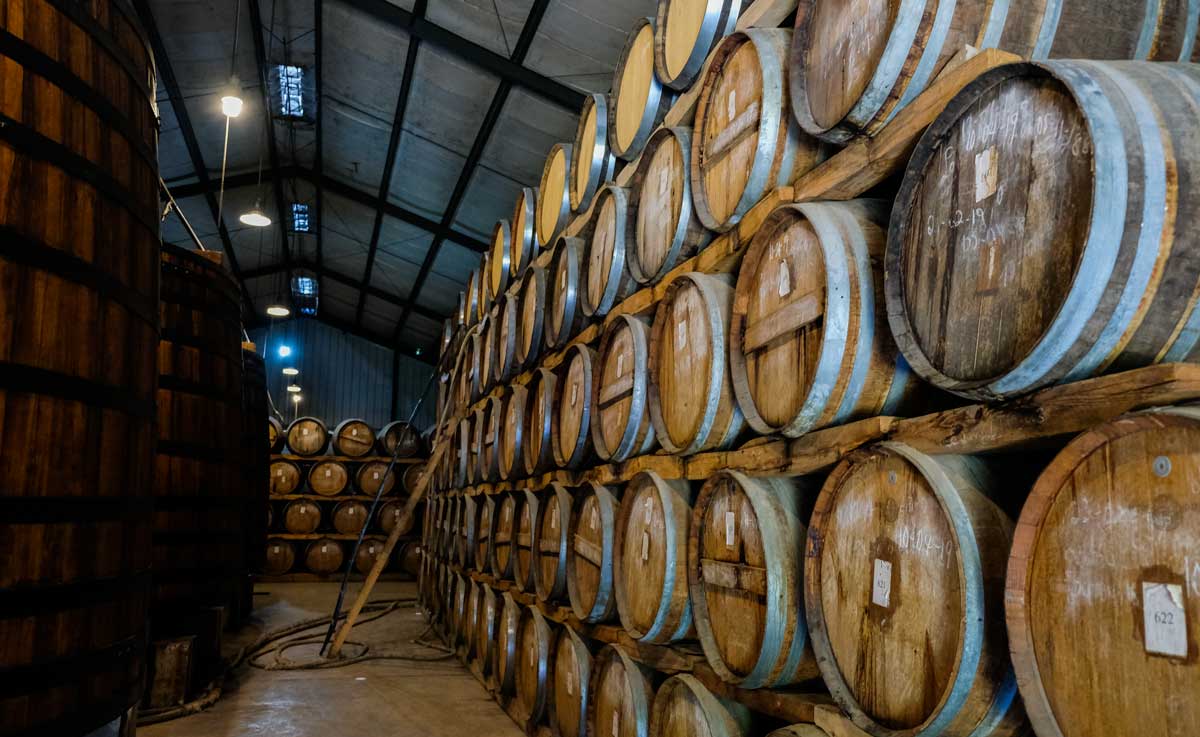
Barbancourt rum distillery, Port-au-Prince
Photo: Franck Fontain

Visit Barbancourt distillery

Just a few kilometers north of Port-au-Prince airport, the Barbancourt distillery hosts tours every Friday from November through May. The tours last about two hours and are run in French or English. Visitors will be walked through the whole process from unloading sugar canes to bottling and ageing, and enjoy a degustation of all the rums up to the 15yo.

You can buy rum from the cellar door starting from USD $17 for the 8yo and USD $45 for the 15yo. Make sure you bring USD if you can – they distillery prefers USD over HTG. Whatever you do, we recommend you reserve your place in advance.


Written by Kelly Paulemon.

Published November 2020


Read story

Catch a show with Haitian Vodou rock band RAM

haitian lead singer in band dancing in front of microphone
RAM performing at Hotel Oloffson
Photo: RAM.com

Catch a show with Haitian Vodou rock and roots band RAM

Copy LinkEmailFacebookShare

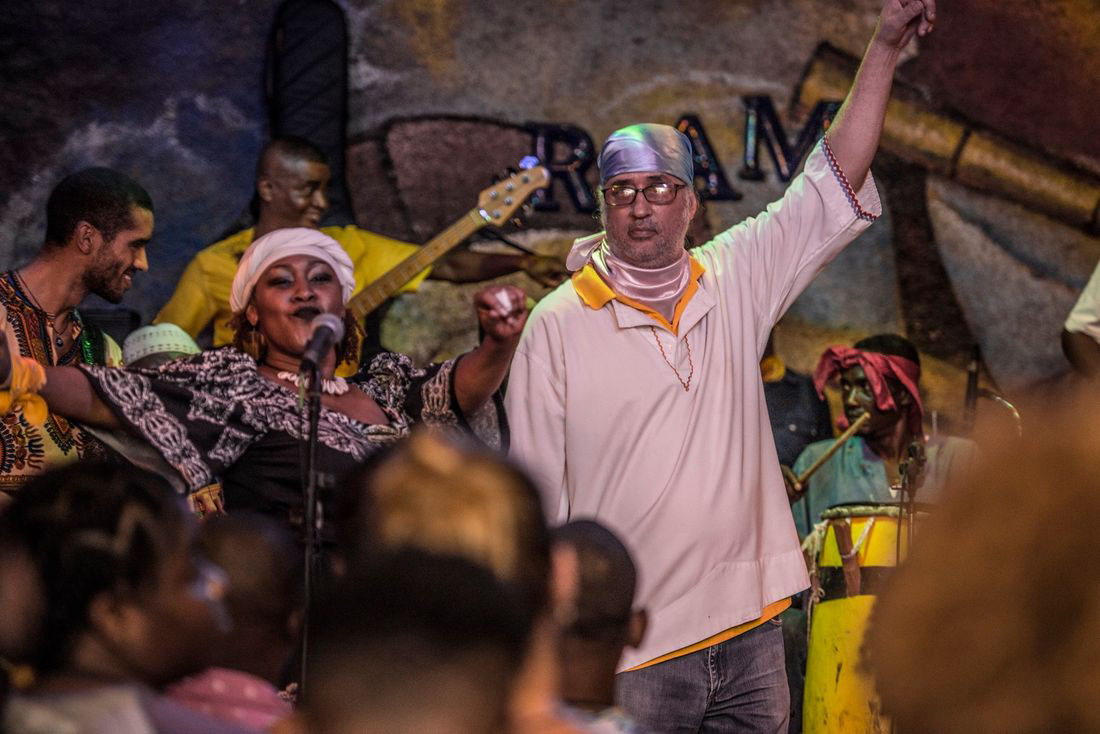
Every Saturday night at the Hotel Oloffson, the band RAM – a Haitian national treasure – delivers an unforgettable performance of Vodou-infused rock. If you’re not a guest at the hotel or paying for a sit-down dinner, you’ll need to pay an entry fee of 500 HTG (about 5 U.S. dollars). The show starts around 10:30. Expect sing-a-longs with an enthusiastic crowd and dancing all night long.

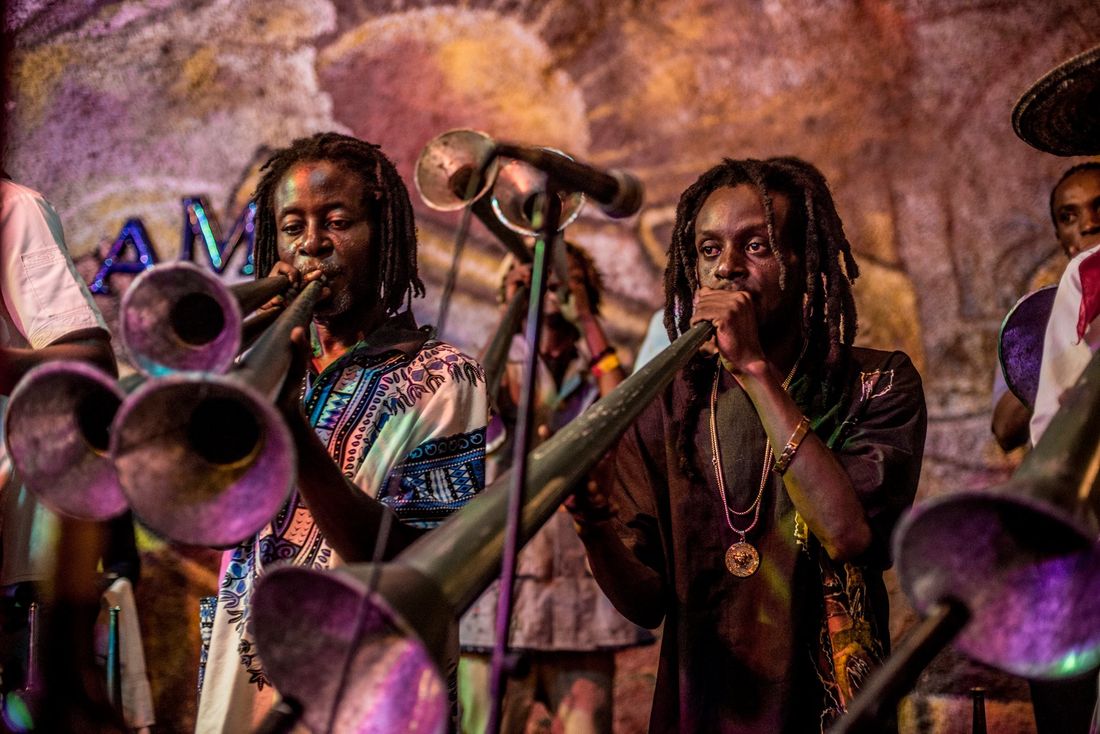
haitian musicians playing on trumpets
RAM performers with vaksin horns
Photo: RAM.com

On the gothic gingerbread verandah of the Oloffson, you can join a decades-long tradition of watching the sun set over Port-au-Prince with a rum sour or rum punch. On Saturday nights, there’s another ritual going on.

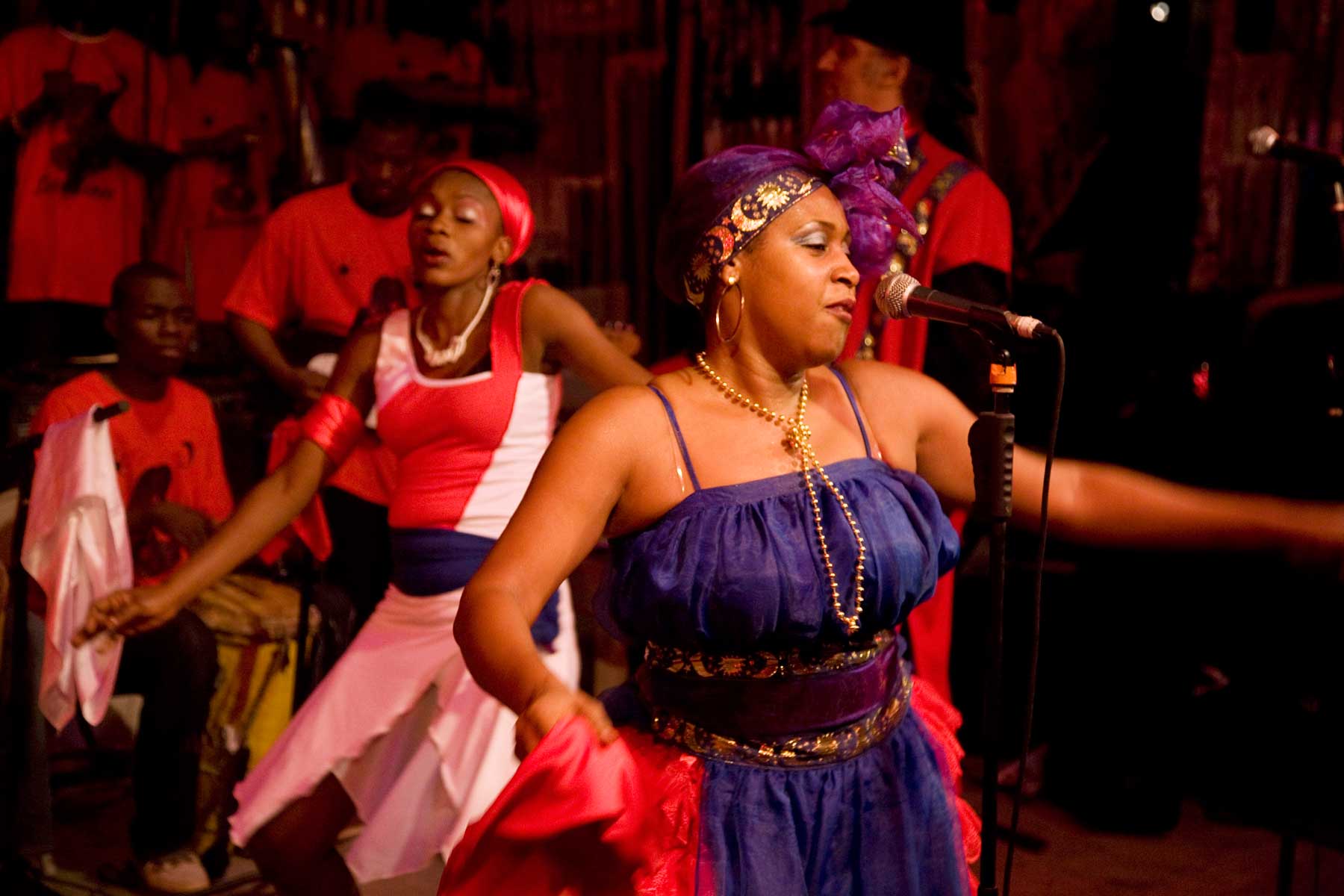
Weekly performances by RAM have become a ceremony loved by all levels of society. Remarkably, in a country where consistency is hard to find, the band has consistently gigged at the Oloffson since 1990, when the band’s frontman took over running the hotel. In fact, the band gets its name from the initials of the Oloffson’s owner, Richard Auguste Morse. Morse’s wife, Lunise, is the lead singer and main dancer.
A “Vodou rock and roots” band, RAM incorporates traditional Vodou lyrics and instruments, such as rara horns and Petwo drums, into modern rock-and-roll grooves. Their lyrics are sung in a macaronic medley of Haitian creole, French and English that islanders and diaspora can appreciate especially. To hear it is to connect with a distinctive sound that could only have been born in Haiti.

haitian band performing in front of crowd
RAM performing at Hotel Oloffson
Photo: RAM.com

RAM live: an unmissable experience

First off, expect to see anyone and everyone here. The shows are and have always been attended not just by often-international hotel guests but a diverse spectrum of the country’s political and ethnic groups and subcultures. Humanitarian workers line the front row next to cross-dressed dancers and Haitian artists from nearby downtown neighborhoods. Corner tables are occupied by foreign ambassadors and visiting celebrities, or Grammy award-winning musicians with a love for Haiti.
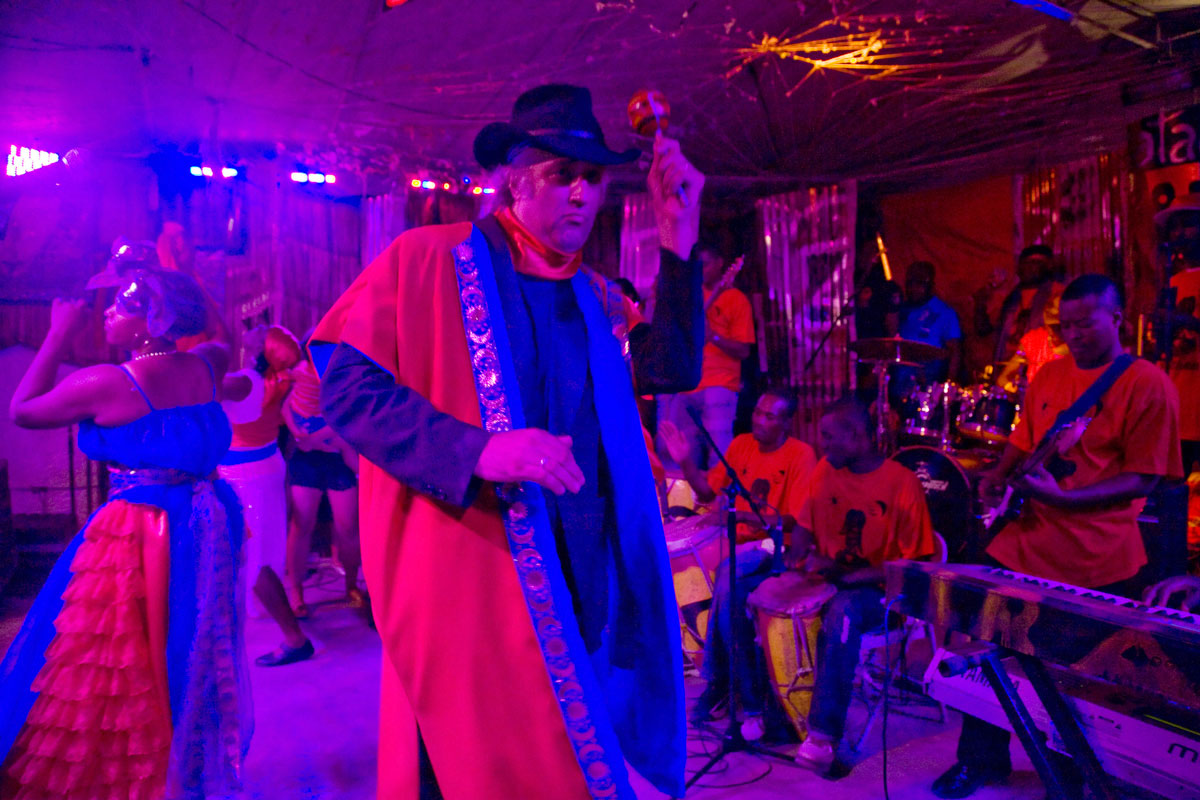
The lights are few and far between, and often shine out blue and red. Near the permanent stage erected in the heart of the Oloffson mansion, genuine vodouwizan practitioners can be spotted in the throng of dancers. Some of the people in the crowd have been regulars here for 20 years. One woman in a white traditional frock and elaborate satin turban loves to spray sacred flower-scented florida water on the crowd. Many know the lyrics by heart, no matter what decade the song is from. Several people appear to have entered their own worlds, dancing with unearthly vigour, evoking the scenes of ritual possession one might see at a Vodou ceremony or at the Haitian Day of the Dead.

haitian musicians in red and blue dresses performing
RAM performing
Photo: RAM.com

The early days of RAM

The band started in 1990 when Morse negotiated the lease for the Hotel – then very dilapidated. He created a folklore dance troupe along with his wife and a group of musicians – many from the poorer districts of nearby downtown neighborhoods.

RAM prides itself on having deep roots but always adapting to the times. Many of the lyrics have subtle or not-so-subtle political messages. In the new release “Ayiti Leve”, the lyrics (in Kreyòl) say: “Haiti you sleep too much. It’s time to wash your eyes.” The music video shows the corridors of the Oloffson clouded in darkness. The lead singer’s son, William – also bass guitarist for the band – sits on a traditional high-backed wooden chair in the dark. His mother Lunise walks through the french doors and hands him a candle, illuminating his face and the iconic porch behind him.

The Vodou-inspired drumming is classic RAM but this time the visual is unexpected. “Wake up. See where you are,” the lyrics continue. One by one, Lunise places a candle in each of the band members’ hands. It’s the same shadow play that makes visitors of the Oloffson aware they are wading thickly into something unseen.

Their 2020 Carnival song, “Kongo Lazil O (Kan’w Pran Ou Konnen)” marked RAM’s 28th carnival song release, spanning an era that has seen violent revolts, revolutions, and sometimes unpopular public opinions of RAM’s frontman Morse.

During the years of Haiti’s military regime, one of RAM’s songs, “Fèy” (“Leaf” in english), was censored nationally and eventually banned from radio play by the regime, who correctly perceived it to be a song covertly supporting the exiled President Jean-Bertrand Aristide. In defiance of death threats, the band continued to play weekly concerts at the Oloffson – until Morse only narrowly escaped a kidnapping, almost being carried out by junta authorities from the hotel in the middle of a performance in 1994. In 1998, the band’s lyrics offended the newly-elected mayor of Port-au-Prince, and they survived an assasination attempt on their float during a Carnival performance. While the Thursday night performances have been switched to Saturdays in 2020, RAM continues to use their iconic stage as a launch pad for social commentary. The band is loyal to providing lyrical provocation to Haiti’s political landscape.

How to see the show

RAM plays on Saturday nights at the Hotel Oloffson, 60 Ave Christophe, Port-au-Prince, in the neighbourhood of Saint Gérard, just near trendy Pacot.

The show is free for hotel guests and dinner customers. If you’re not sleeping at the hotel or paying for a sit-down dinner, you’ll need to pay an entry fee of 500 HTG (about 5 U.S. dollars). The show starts around 10:30 and runs until late.


Written by Emily Bauman.

Published November 2020


Read story
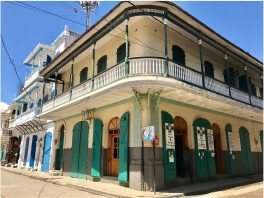
old colonial houses on city street in jacmel