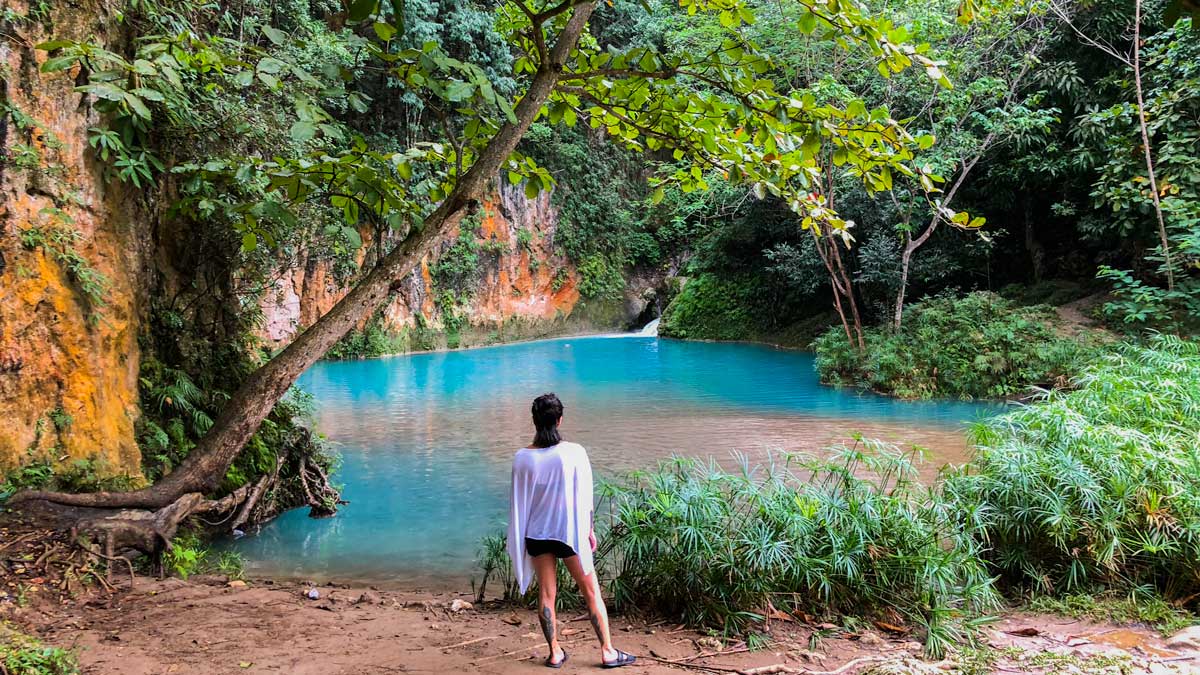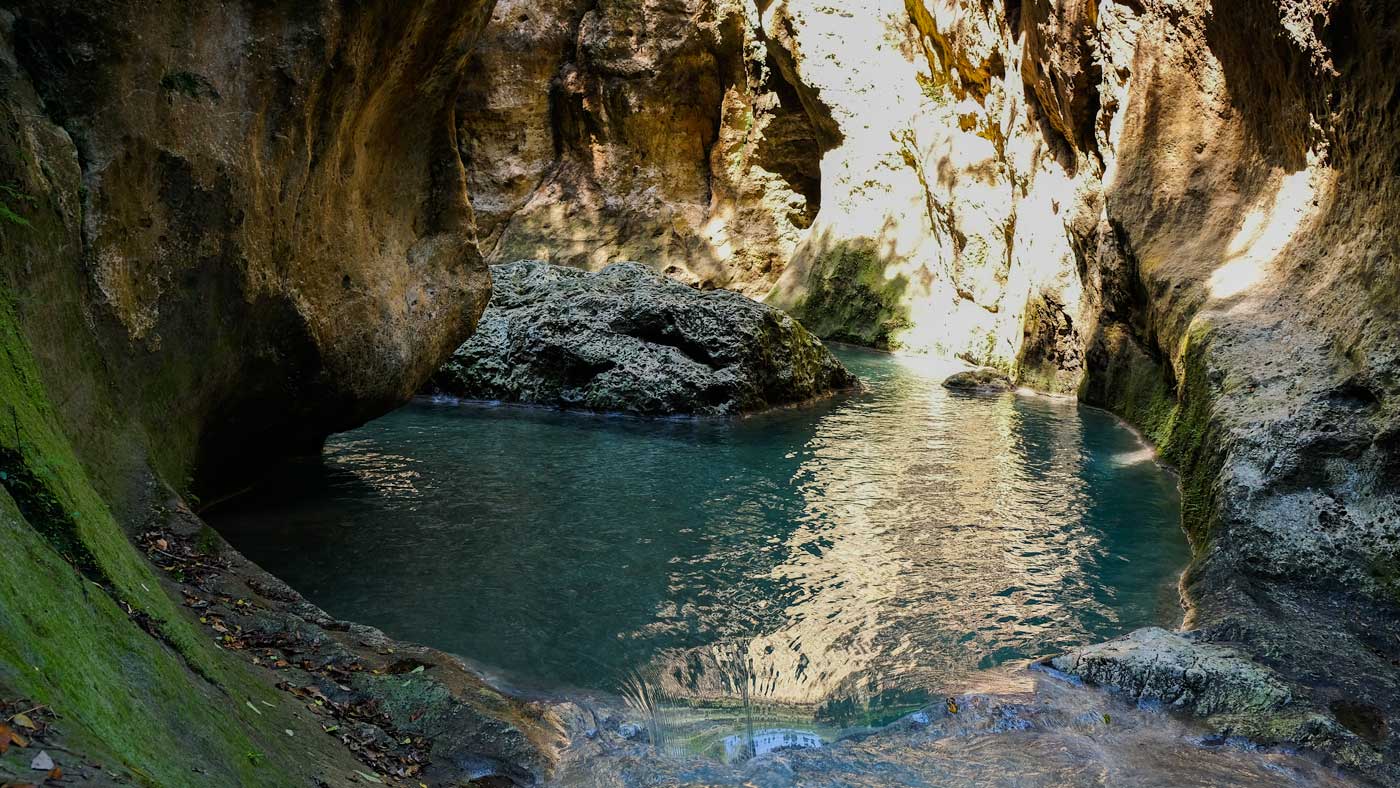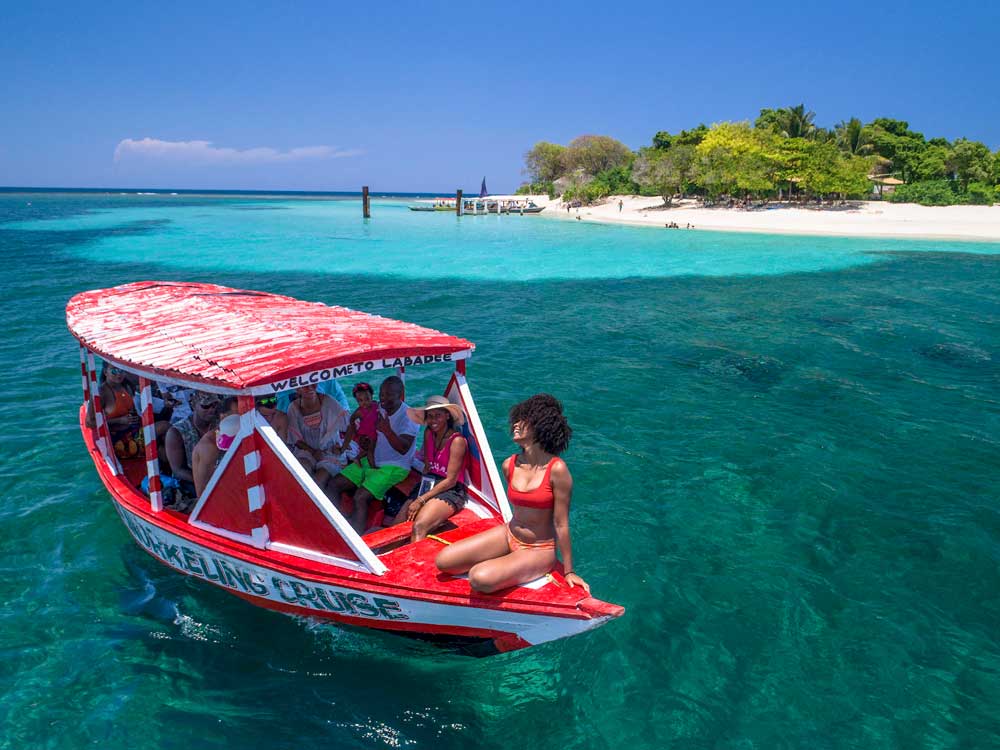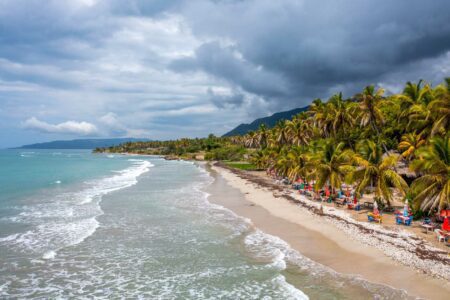
TRAVEL UPDATE: Visit Haiti from Home

Jacmel

Six Beaches Near Jacmel That Feel Like a Dream

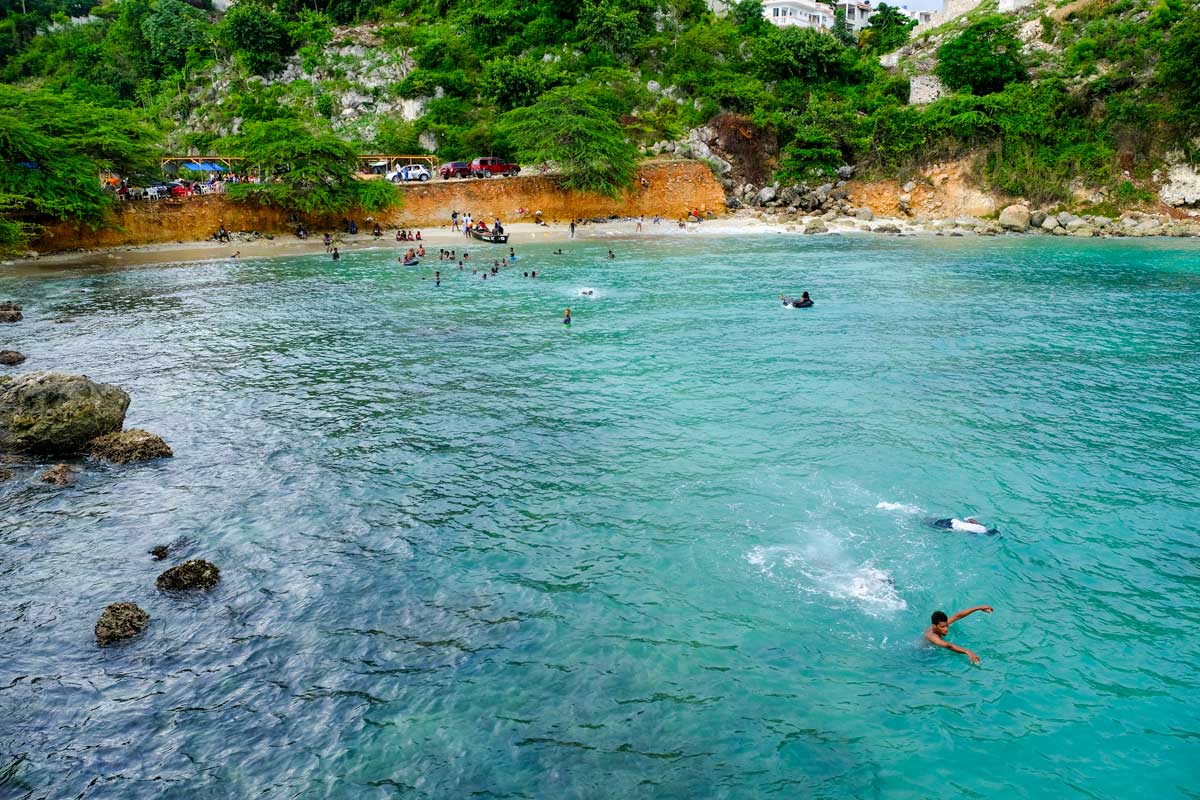
Raymond les Bains beach in Jacmel
Photo: Jean Oscar Augustin

Six Beaches Near Jacmel That Feel Like a Dream

Copy LinkEmailFacebookShare

Jacmel may be known for its historic gingerbread houses, art-soaked streets, and a Carnival that rivals any in the Caribbean — but venture just beyond the city and you’ll find a coastline that feels practically untouched. The beaches in and around Jacmel offer a wildly diverse escape: from cove-like inlets where goats nap in the shade, to secret stretches of sand only accessible by boat. Whether you’re chasing the thrum of weekend parties or the stillness of early-morning solitude, this sun-warmed corner of Haiti delivers. These are six of our favourite beaches near Jacmel — each one a different shade of quiet, salt-kissed magic.

La Saline beach in Jacmel
Photo: Franck Fontain

1. La Saline

Best for: golden-hour snacks and peaceful weekday swims

A short moto ride (or 30-minute stroll) from downtown Jacmel, La Saline unfolds just past the city’s grand cemetery, nestled between residential quiet and ocean breeze. Flanked by big hillside villas and the occasional bleating goat, this cove-shaped beach stays mostly deserted on weekdays — the perfect setting for a salt-sweet swim and a moment of stillness. The water’s clear and calm, the kind that invites you to wade in slowly and forget what time it is.

On weekends, La Saline shifts. Street-food vendors pop up with fried breadfruit, cold Prestige, and scratchy speakers playing konpa classics. Locals arrive in groups, staking out shaded corners of sand, sharing snacks, maybe even dancing. If you’re lucky (or intentional), you might time your visit with a full-on summer party — sound systems, swimming, and all. But come any other day, and the beach is yours.
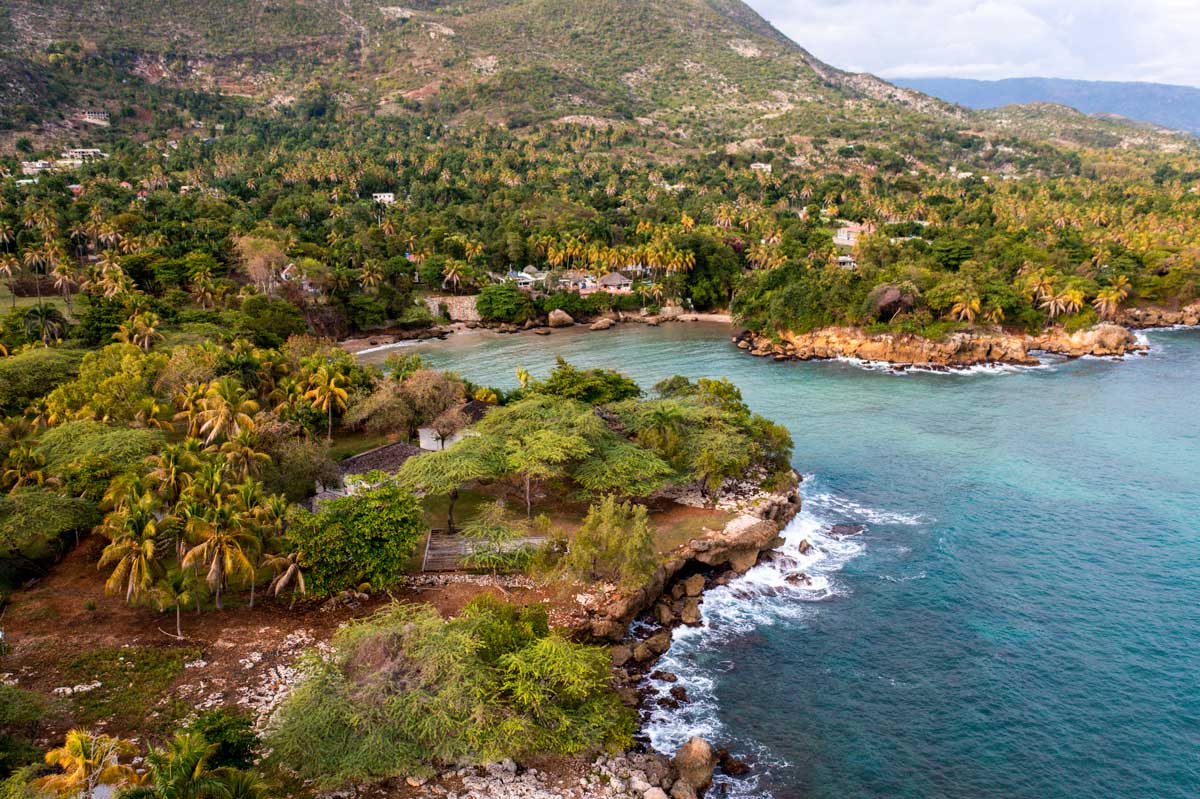
Cyvadier Plage near Jacmel
Photo: Jean Oscar Augustin

2. Cyvadier Plage 

Best for: a quiet swim followed by lobster and rum punch

Tucked into a rocky cove about 20 minutes from Jacmel, Cyvadier Plage is less of a beach and more of a secret. Hidden below the Hotel Cyvadier, the only way down is through the property — and then down a steep, winding staircase that spills out onto a sliver of soft sand and sea. It’s tiny, yes, but impossibly serene. Giant rocks frame the water like sculptures, and the cove’s natural curve keeps it calm and swimmable. On any given afternoon, you’ll find only a few hotel guests stretched out under the sun, maybe a pair of local kids casting fishing lines from the rocks.

This is the place to slow things down. Order a rum sour or the hotel’s famous lobster gratiné, and let the afternoon melt. There’s paddleboarding if you’re feeling ambitious, or snorkels if you want to float and spy. But really, Cyvadier is best experienced from one of those rocks — still salty from your swim, watching the sun slip behind the cliffs, wondering how such a small beach can feel like its own world.
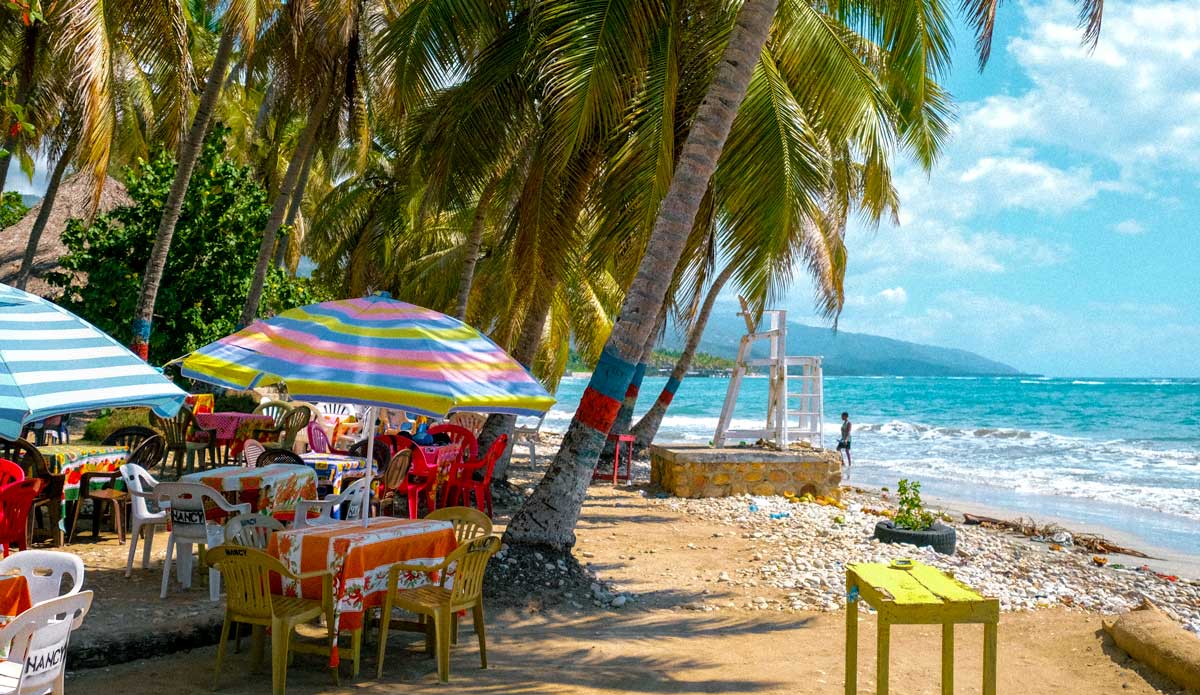
Raymond les Bains in Jacmel
Photo: Jean Oscar Augustin

3. Raymond Les Bains 

Best for: seafood feasts and people-watching

A 30-minute ride from Jacmel will land you at Raymond Les Bains — a name that rings out far beyond Haiti’s southern coast. More than just a beach, it’s a living, breathing rhythm of music, grilled seafood, and sun-dappled chaos. Tables with sun-bleached parasols dot the shoreline, each vendor staking out a patch of sand with creaky chairs and bright wax-printed tablecloths. No printed menus, just voices calling out promises of lambi, grilled lobster, octopus, fried plantains, and spicy pikliz. It’s part lunch spot, part open-air market, part party — with DIY bracelets, paintings, and fried shrimp circling the beach in the arms of roaming vendors.

Weekends here are wild — boom blasters in full force, kids darting through the surf, families feasting in clusters beneath coconut palms. There’s always someone trying to win you over to “their” table, and you’ll rarely have a quiet moment to yourself — but that’s the point. This is a beach made for mingling, snacking, and soaking up the full spectrum of local flavor. If you want something quirky to sip, ask for the wonm ak pistach — toasted peanuts and a generous pour of rum served in a plastic cup. Afrodisiac or not, it hits.

If Raymond Les Bains is your vibe, wait till you see the rest of the best beaches in Haiti!
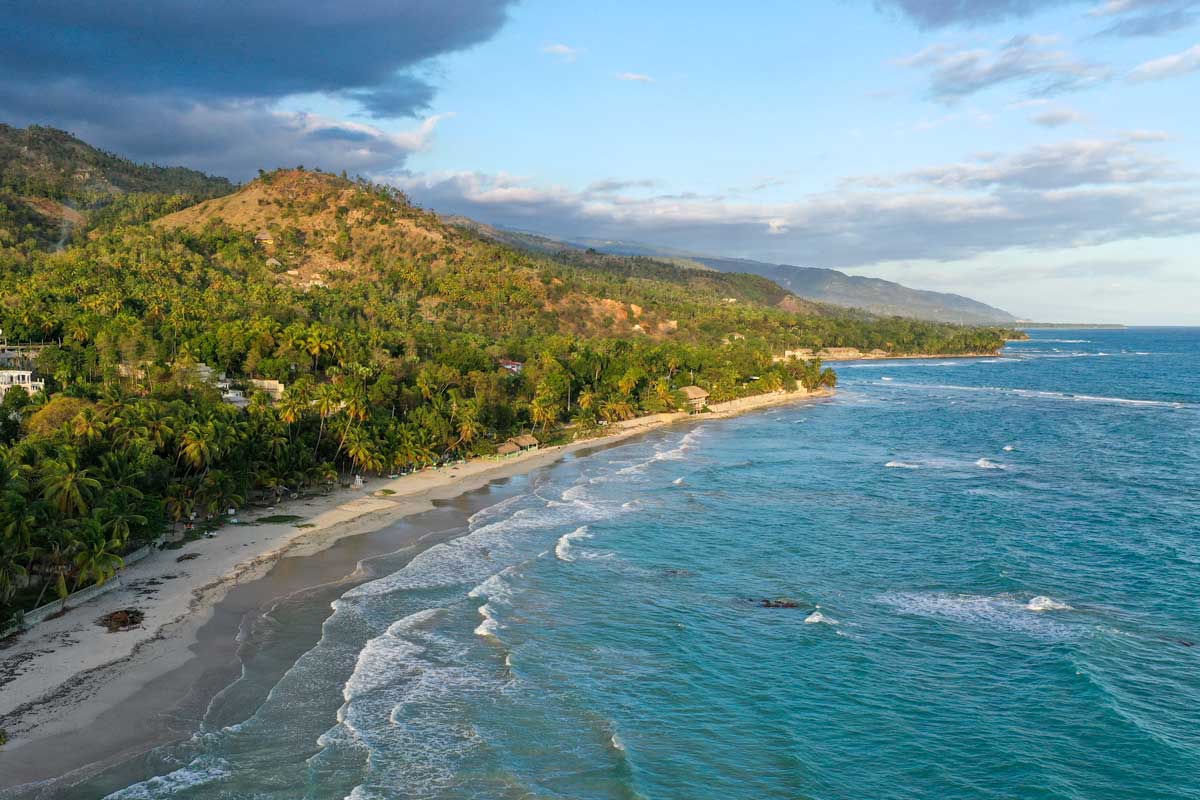
Ti Mouillage beach in Cayes-Jacmel
Photo: Anton Lau

4. Ti Mouillage 

Best for: barefoot solitude and postcard-perfect sunsets

Forty minutes from Jacmel’s center, tucked along the coast of Cayes Jacmel, Ti Mouillage is one of those beaches that feels like a well-kept secret — not because it’s hidden, but because no one seems to go. A vast, golden stretch of sand visible right from the roadside, it’s the kind of beach that anywhere else in the Caribbean would be overrun. Here, it’s just you, the wind, and the sound of waves folding onto the shore. Locals play volleyball in the afternoons, and if you’re lucky, you might spot the skeleton of a wooden boat mid-construction — a reminder that this is a working coastline as much as a beautiful one.

The water stays shallow for a good while before dropping off sharply, so keep your swim close to shore — but don’t skip it. Ti Mouillage is clean, calm, and wide open, perfect for floating with a view of the tree-lined bay. There are a couple of beachside shacks selling drinks (and maybe food, if you’re there on the right day), but the charm here lies in the quiet. Come at sunset for a sky drenched in warm, syrupy light, or in the morning if you want the whole beach to yourself. Just bring a towel, a bottle of kleren, and the kind of book you won’t mind abandoning to stare at the sea.
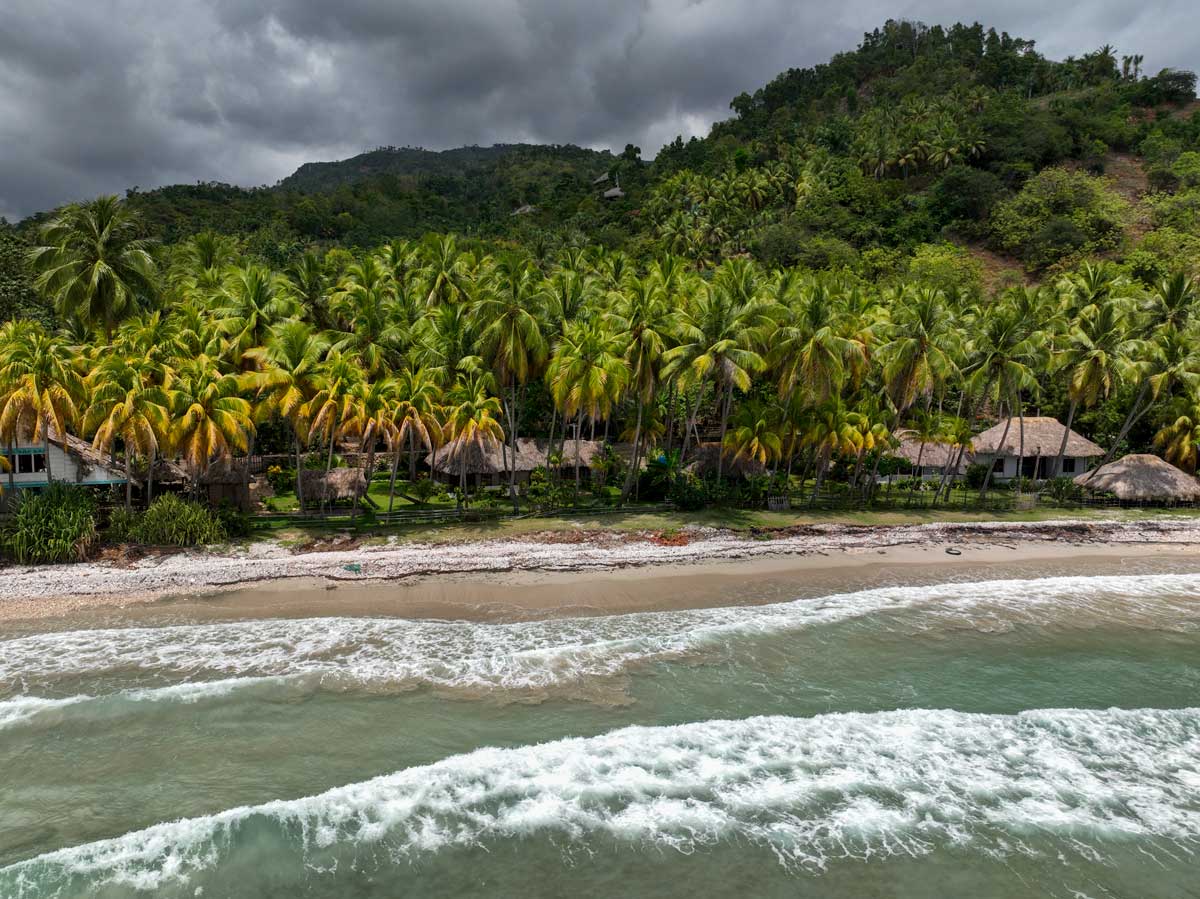
Kabik Beach in Cayes-Jacmel
Photo: Anton Lau

5. Kabik

Best for: beginner surf sessions and bungalow daydreams

Just a five-minute walk up the coast from Ti Mouillage, Kabik shifts the mood entirely. This pebbled stretch of shoreline isn’t ideal for barefoot beach bumming — pack your flip-flops — but what it lacks in sand it makes up for in surf. Known as one of Haiti’s top surf spots, Kabik draws a quiet but devoted crew of local wave-chasers. The nearby Surf Haiti outpost offers board rentals and lessons, and if you’re not quite ready to paddle out solo, brothers Samuel and Samson are the go-to guys for gear, tips, or a freshly cut coconut (250 gourdes, if you’re wondering).

Just above the shore, a handful of thatched-roof bungalows sit under the palms, framed by a crooked wooden fence and a patch of wind-ruffled grass. It’s the kind of place that feels lifted from a postcard — all faded charm and sea-salted stillness. There’s no music, no vendors, no buzz. Just the occasional truck winding along the road toward Marigot, and the rhythm of the waves rolling in. If you’re into surfing — or just the idea of waking up somewhere that smells like coconuts and sea breeze — Kabik’s the spot.

Want more than a beach day? See why surfers are chasing swells all over Haiti.
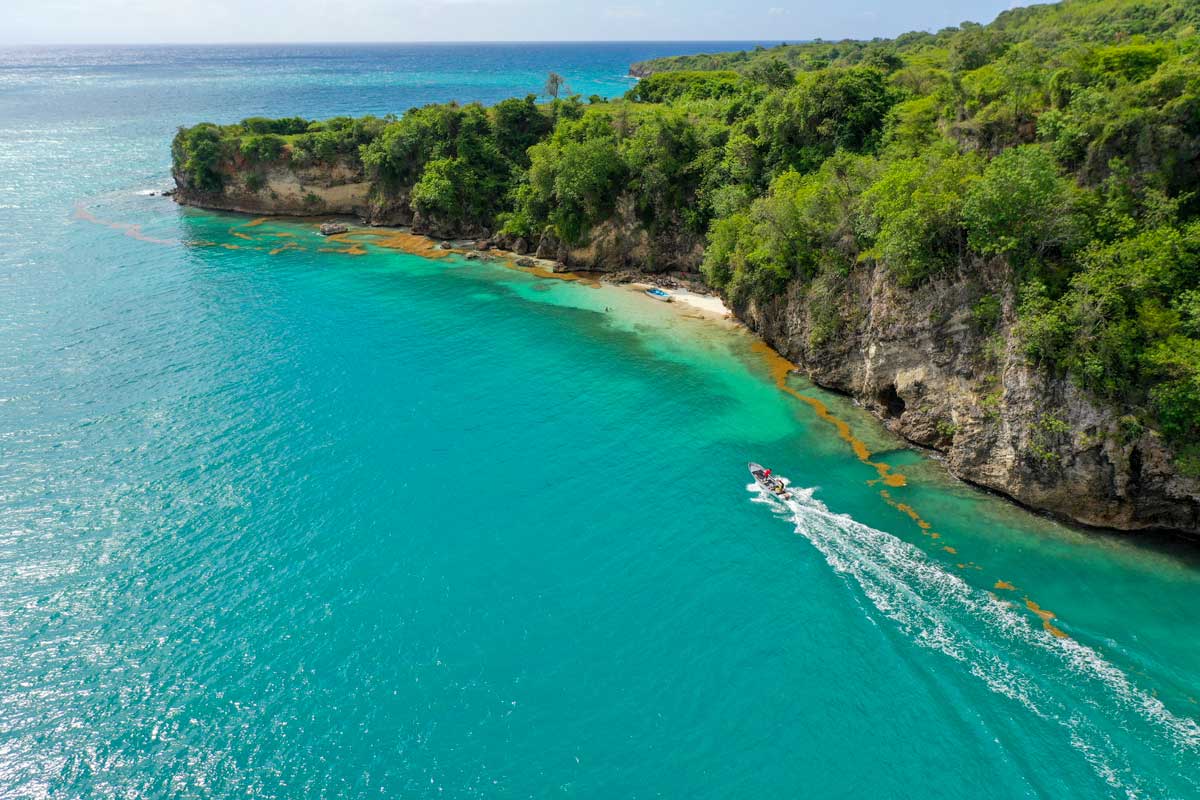
Plage Baguette in Jacmel
Photo: Anton Lau

6. Plage Baguette 

Best for: castaway fantasies and uninterrupted swims

Accessible only by boat — a 20-minute ride from Jacmel’s Lakou New York coastal boardwalk — Plage Baguette is the kind of beach that doesn’t show up on maps or itineraries. Fringed by towering cliffs on one side and nothing but open sea on the other, this sandy stretch sits directly across from Jacmel’s coast, offering a reverse postcard view of the city you just left behind. You won’t find any roads, trails, or shortcuts — there’s no getting here on foot or by moto. Just water, wind, birds overhead, and the occasional fishing boat gliding past.

It’s the kind of place that turns silence into luxury. With no vendors or built-up amenities, you’ll need to bring everything with you — snacks, drinks, and sense of time. Swim safely in the calm shallows or just float and watch pelicans cruise by. Come in the early afternoon for a touch of shade from the cliffs, or earlier if you’re chasing full sun. Named after the remote area it belongs to, Plage Baguette also hides nearby relics of the past — a barely-visible colonial fortress and a forgotten waterfall, reachable only with extra boat stops. But even without venturing further, the beach alone feels like a reward for making the journey.

This isn’t the only beach you’ll wish you’d kept to yourself. Discover more of Haiti’s almost secret beaches!


Written by Costaguinov Baptiste.

Published April 2025.


Read story
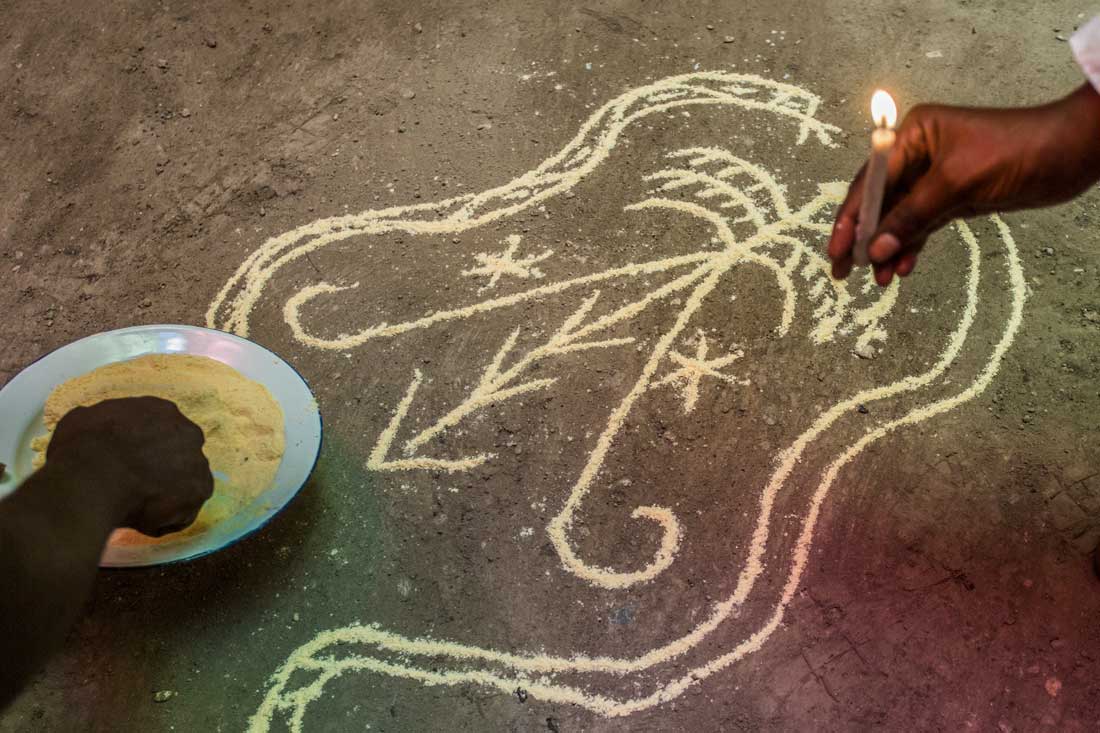
cosmogram being traces on floor with hand holding a candle

Not Your Average Travel Guide to Jacmel

Cascade Pichon in Belle-Anse
Photo: Franck Fontain

Not Your Average Travel Guide to Jacmel (And That’s the Point)

Copy LinkEmailFacebookShare

This coastal city in the country’s southeast isn’t a checklist — it’s a feeling. Here, art drips from balconies, history clings to coral-stone walls, and wild nature beckons just beyond the city limits. We’re not here to tick boxes or sell you an itinerary — we’re here to wander, linger, and listen. Whether you’re sipping mountain-brewed coffee, running with black-painted Carnival troupes, or slipping into a turquoise pool deep in the jungle, Jacmel doesn’t just welcome you — it pulls you in. These are the stories, the steps, and the soul-stirring detours that make this one of Haiti’s most unforgettable escapes.

Coffee tour in Fonds Jean-Noël
Photo: Franck Fontain

1. Walk the Coffee Route in Fonds Jean-Noël

High in the misty mountains above Marigot, this guided walk offers a slow, grounding escape into Haiti’s agricultural soul. Led by a local farmers’ co-op, the trail winds through groves of shade-grown coffee, fruit trees, and medicinal plants. Along the way, you’ll learn how beans go from seedling to cup, roasted over open flames and brewed the old-fashioned way — just like Haitian grandmothers still do.

Expect coconut breaks, impromptu dancing, and a final cup of the smoothest brew you’ve ever had. Reaching the village takes around 90 minutes from Jacmel — best tackled with a guide and a 4×4.

aerial view of coastal village with market area and boats
Sun rising over the port of Marigot
Photo: Franck Fontain

2. Wake Early for Market Day in Marigot

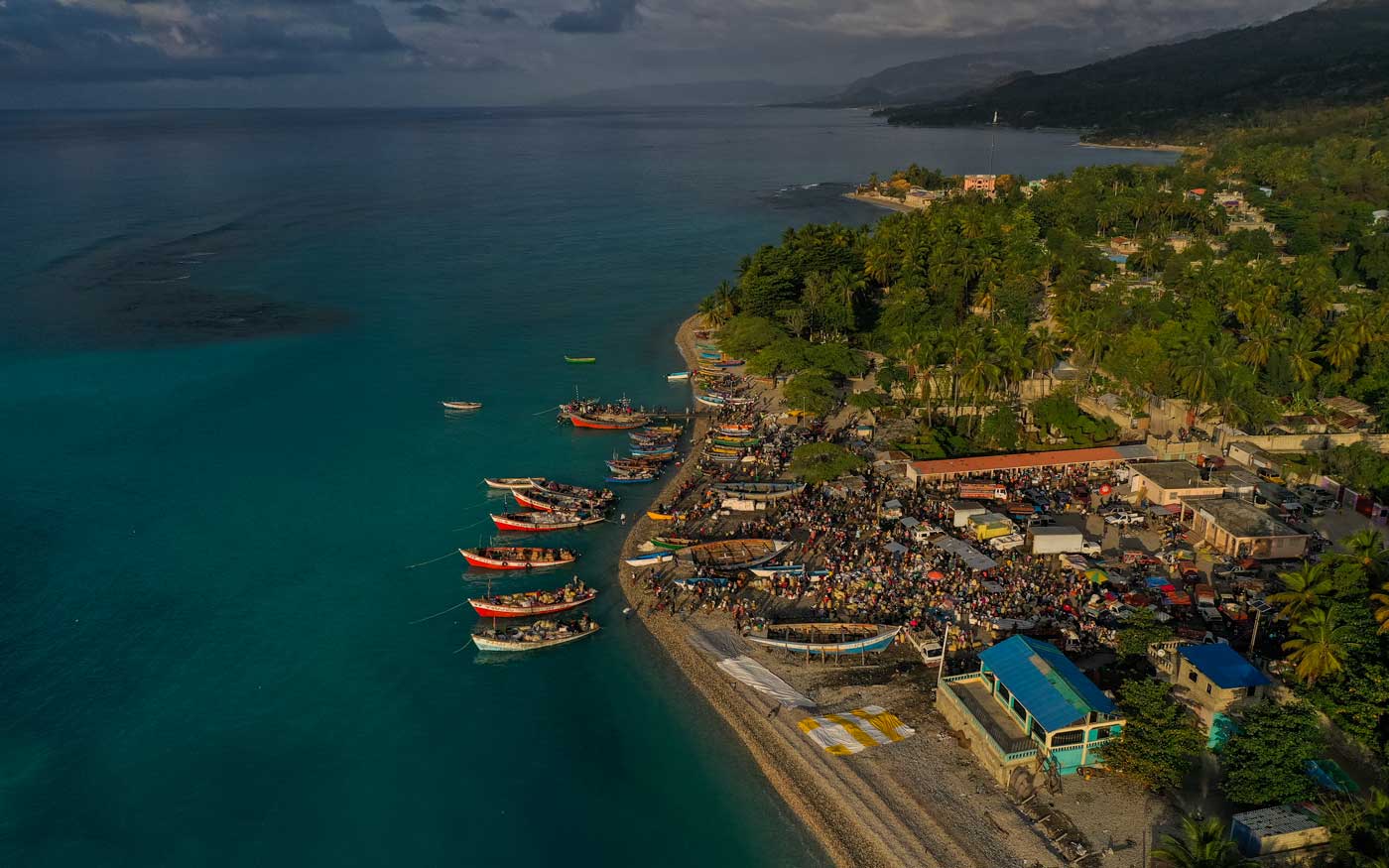
If you’re heading to Fonds Jean-Noël, aim for a Saturday — it’s the perfect excuse to stop in Marigot on the way. Just after dawn, this quiet coastal town transforms into a bustling harbor market. Massive wooden boats sail in from Haiti’s far southeast, their hulls hand-painted with gospel verses and bright colors, much like the country’s iconic tap-tap buses. They unload glistening fish, sacks of produce, and cassava by the armful.

What starts as a calm hum builds into a full sensory overload: shouting vendors, rumbling trucks, sizzling fritay, and the occasional burst of diesel smoke. It’s raw, unfiltered, and completely local — few visitors make it this far east. Come early, bring small bills, and go slow. And if you’re carrying a camera, remember: in Haiti, permission is everything. Ask before you shoot, and maybe buy a handful of oranges while you’re at it.

If the market’s rhythm caught your attention, don’t miss our full Photo Journal on Marigot.

Person swimming beneath a waterfall in Bassin Bleu, Haiti
Bassin Bleu waterfall near Jacmel
Photo: Franck Fontain

3. Chase Waterfalls in Jacmel’s Jungle

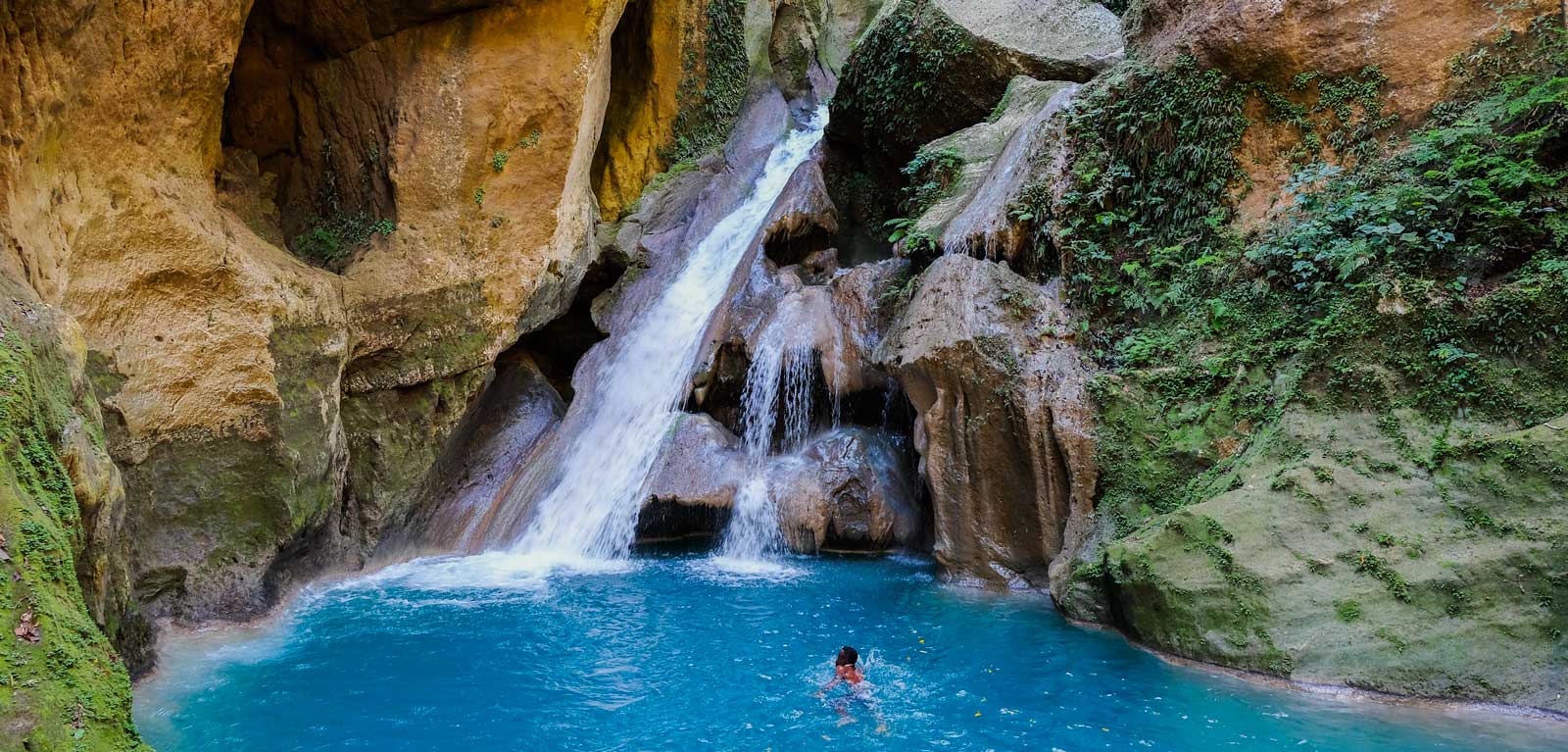
Ask anyone in Jacmel where to go, and they’ll point you toward Bassin Bleu — a sequence of surreal, electric-blue pools tucked deep in the jungle. It’s Haiti’s most iconic waterfall, but don’t mistake it for easy access.

The four basins — Cheval, Yes, Palmiste, and Clair — unfold like secrets, each more striking than the last. To reach the final pool, Bassin Clair, you’ll climb slippery ledges and lower yourself down a rock face by rope — but the payoff is 75 feet of luminous turquoise, where locals float and dive in suspended calm. Come early for the best light and fewest crowds, and avoid visiting after rain, when the water can turn cloudy and currents unpredictable. Bring water shoes, small bills for a guide, and let the jungle silence replace the outside world.

Ready to chase the falls yourself? Start with our in-depth Bassin Bleu guide.

surfer on board riding a wave while sun setting
Surfer in Kabik
Photo: Jean Oscar Augustin

4. Go Surfing in Kabik

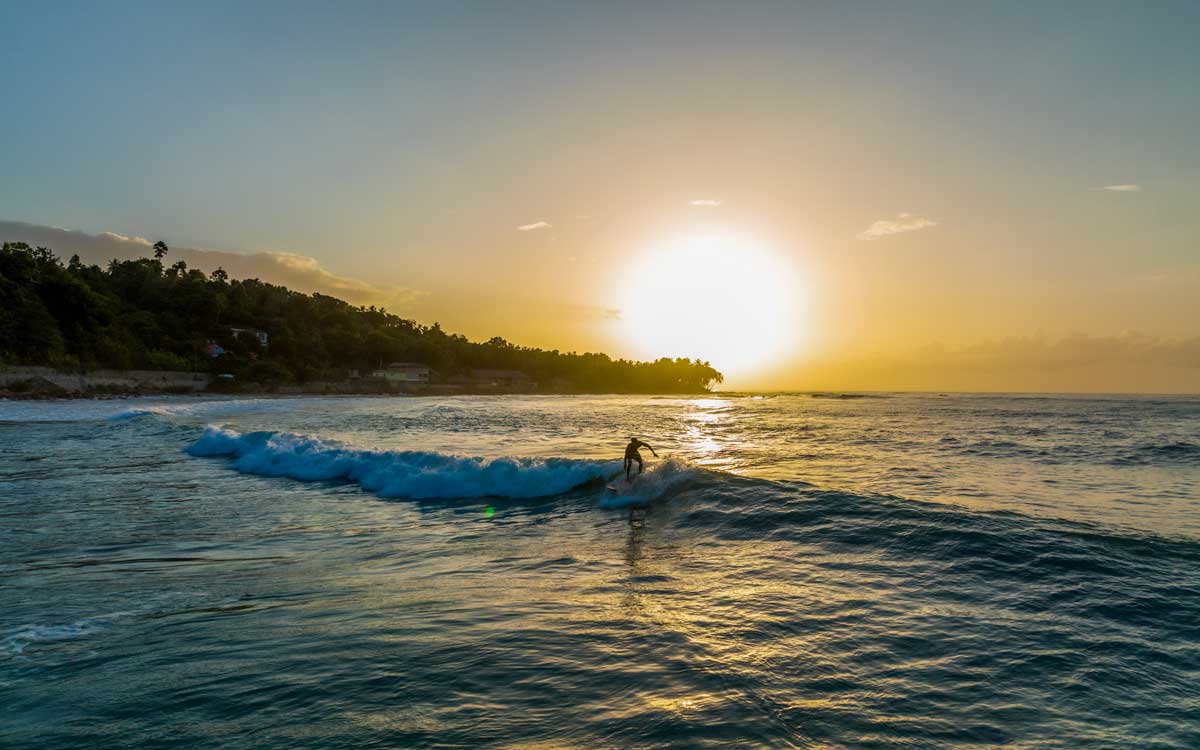
Far from the tourist trail, Kabik Beach is a hidden swell magnet near Cayes-Jacmel, where the waves are consistent, the water is warm, and the lineup is often empty. Mornings are glassy — perfect for beginners launching from nearby Ti Mouillage. By afternoon, trade winds roll in and the bigger breaks come alive, drawing local pros and the occasional traveler. Waves can hit 10 feet during peak season (February to November), and while surf schools are rare, local instructors can be found — just ask around.

Stay overnight at Haiti Surf Guesthouse, a rustic eco-lodge tucked in the hills above the beach. Wooden bungalows sit beneath towering trees, and a creek-fed pool slices through the jungle like a secret. The vibe is slow and unplugged: strong coffee in the morning, strong rum at night, and all the time in the world between.

Want to know where to catch the best waves in Haiti? Our surfer’s guide has all the details you need. ​

City of Jacmel
Photo: Anton Lau

5. Take a Walking Tour Through Jacmel’s Historic Core

Jacmel isn’t just seen — it’s felt. The best way to absorb the city’s layered soul is by walking through its historic center, where 19th-century merchant houses line the streets with lacy ironwork, coral-stone walls, and fading grandeur. Start at the old iron market, shipped from Belgium in 1895, then follow Rue du Commerce past the customs house, once the heart of Haiti’s coffee trade.

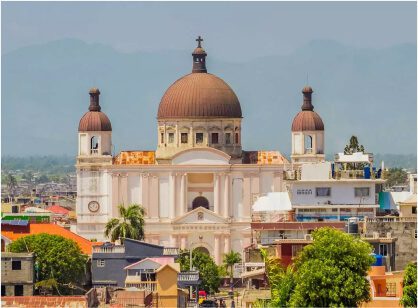
You’ll pass wooden balconies, shuttered windows, and quiet courtyards that still echo with stories of merchants, poets, and revolutionaries. The cathedral stands watch over it all, its baroque silhouette nodding to faraway influences from Cuba and Spain. Local guides can bring it all to life, but even on your own, the textures of the city speak volumes. Wear good shoes, go slow, and let Jacmel reveal itself — one façade, one footstep, one memory at a time.

Cascade Pichon in Belle-Anse
Photo: Franck Fontain

6. Day Trip to Cascade Pichon in Belle-Anse

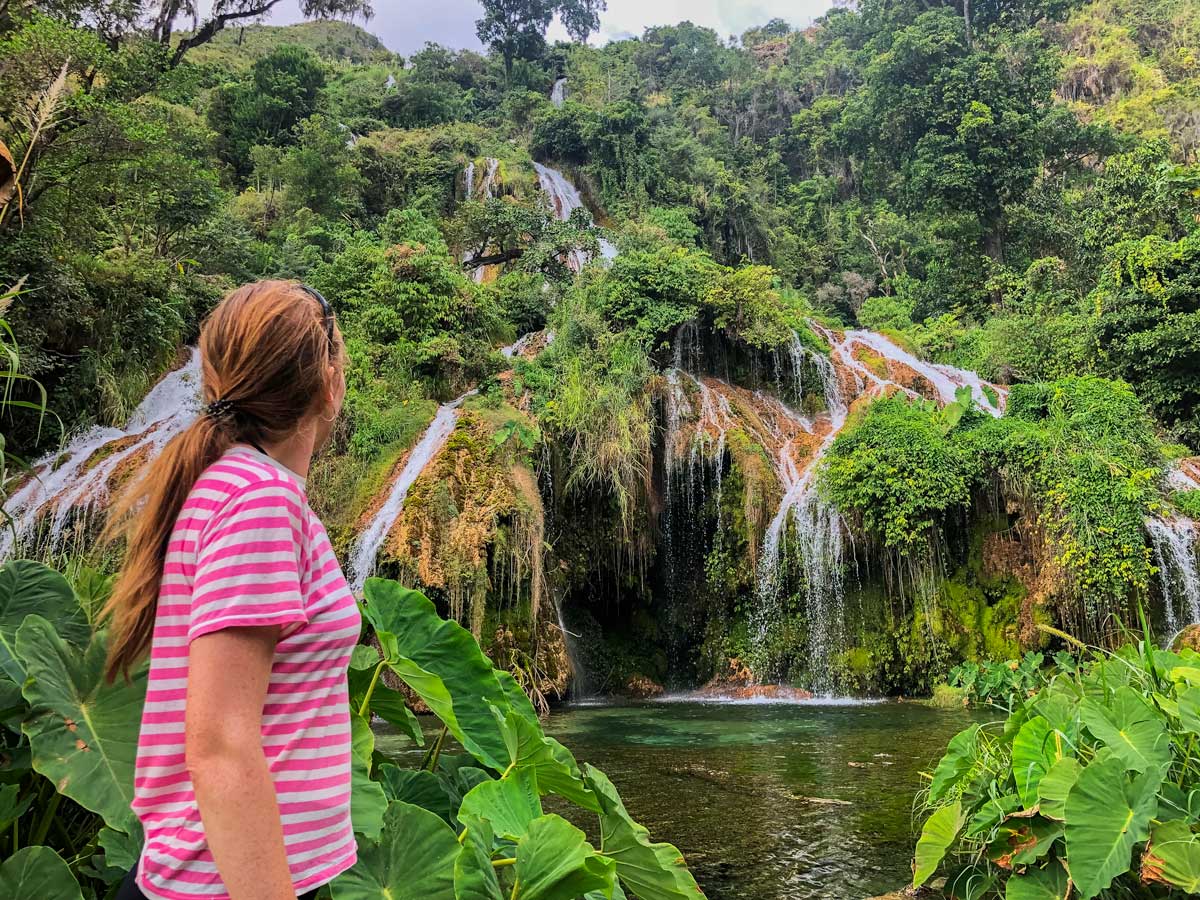
Hidden between thick forest and remote hills, Cascade Pichon is one of Haiti’s most spectacular waterfalls — and also one of its best-kept secrets. Fed by an underground lake, its waters tumble into three turquoise basins: Chouket, scented with wild mint; Dieula, deeper and shaded; and Marassa, where light skips across the surface.

Getting here is part of the magic. From Jacmel, the trip can take up to four hours by 4×4, moto taxi, and a 40-minute hike on foot. The route winds past beaches, mountains, and far-flung villages few travelers ever see. At the end, a cool, hidden swim awaits — quiet, wild, and unforgettable. Bring a guide, pack light, and breathe deep.

Planning the trek already? Read our full guide to reaching Cascade Pichon.

group of black guys bathing in ocean with waves crashing
Lansèt kòd group in Jacmel
Photo: Jean Oscar Augustin

7. Go Wild with a Lansèt Kòd Group During Carnival Season

Every Sunday from January to Carnival, Jacmel’s sleepy streets erupt in stomps, whip cracks, and rebellious drumbeats — your cue that the Lansèt Kòd are on the move. In this century-old ritual of satire and survival, local men and boys cover themselves in sticky black paint, don ragged costumes, and charge through town in joyful, chaotic packs.

Ask your host or guide to connect you with a group. You’ll learn to mix the paint (charcoal and cane syrup), dress the part (horns, wigs, old clothes), and keep pace with the rhythm. Eccentricity is the point. Swigs of kleren — Haiti’s fiery moonshine — fuel the frenzy as black handprints fly. By sundown, everyone plunges into the sea for a cleansing, full-body exhale.

Eager to understand this unique Haitian tradition? Explore the full story of the Lansèt Kòd in our article. ​

aerial view fort oge fortress in jacmel with football field inside
Fort Ogè, Jacmel
Photo: Anton Lau

8. Hike Up to Fort Ogé

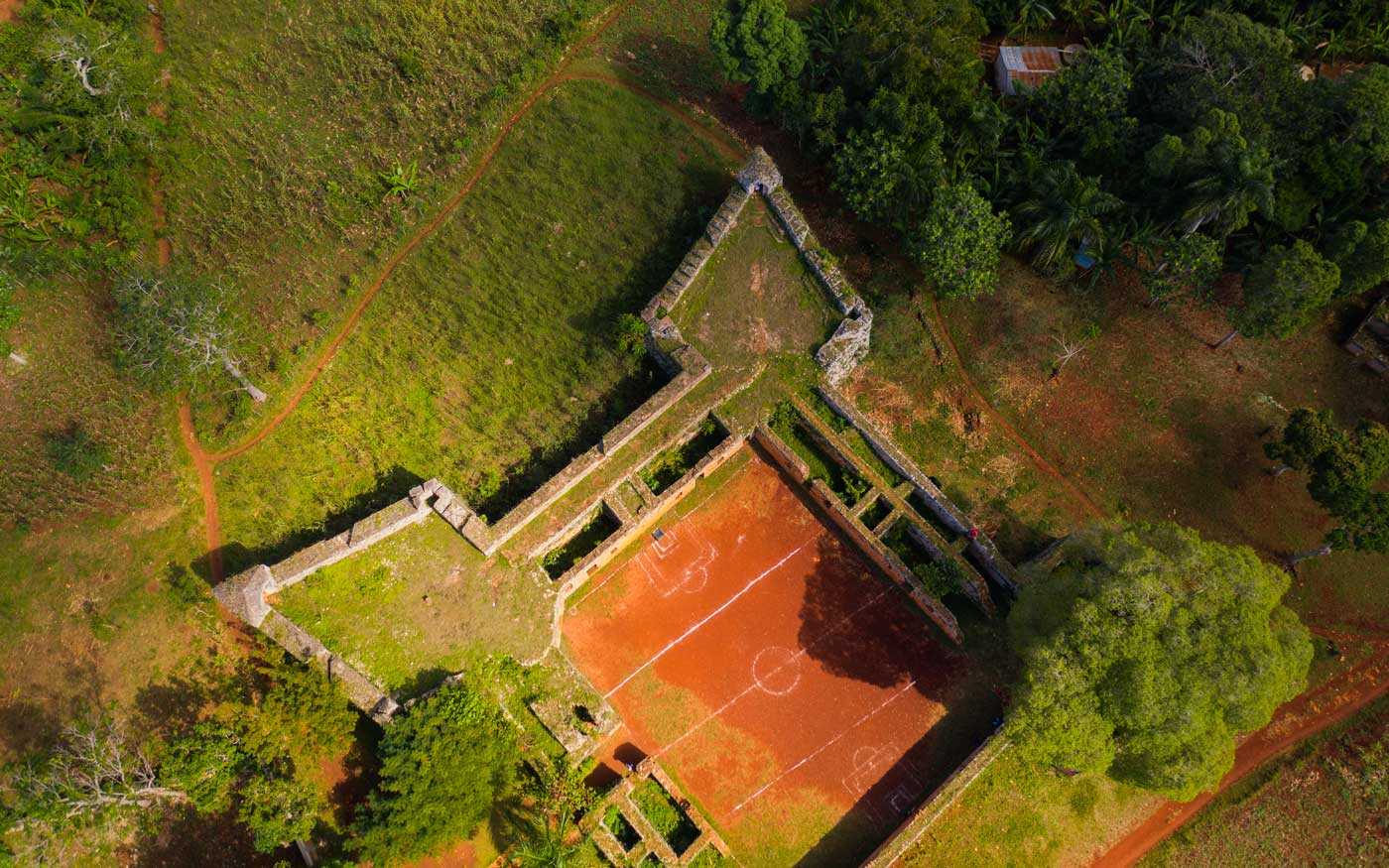
Perched on a mountaintop east of Jacmel, Fort Ogé is a 200-year-old stone outpost built in 1804 and named after revolutionary Vincent Ogé. It’s smaller than the Citadelle up north — but that’s part of the magic: no crowds, no gates, just quiet ruins, sweeping views, and the occasional soccer game inside the old walls.

Ask a moto driver to take you up (it’s a rough ride), and bring a few gourdes for local guides who’ll walk you through dungeons, cannons, and stories etched in stone. The whole visit takes under an hour — but the breeze, the view, and the weight of history linger long after.

The view’s just the beginning — read our in-depth guide to Fort Ogé.

Grown in Haiti, Cap Rouge
Photo: Grown in Haiti

9. Explore Haiti’s Coolest Permaculture Project

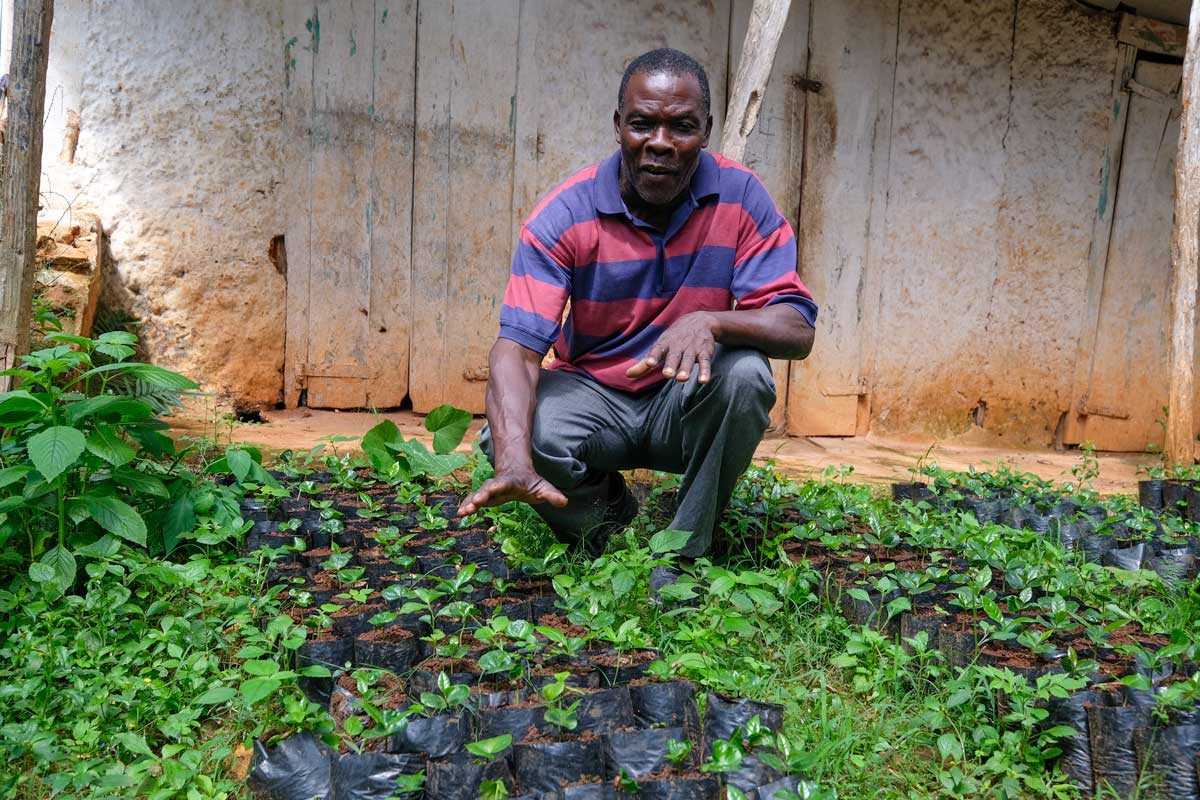
Up in the mountains of Cap Rouge, not far from the road to Fort Ogé, Grown in Haiti is a lush, off-grid reforestation site where rare tropical trees, fruit forests, and permaculture principles thrive. It’s not open to drop-ins — you’ll need to message them on Instagram to arrange a visit — but once you’re in, expect a quiet, eye-opening tour through acres of regenerative agriculture.

The project focuses on tree-planting, seed-saving, and sustainable living, led by a team that’s deeply rooted in the land. You’ll walk among jackfruit and cacao, explore a hidden spring, and learn how native species are brought back to life. It’s not a full-day excursion, but it’s the kind of place that stays with you — calm, wild, and quietly radical.

Want to support more places like this? Check out our guide to Haitian organizations worth backing.

Papier-mâché atalier in Jacmel
Photo: Franck Fontain

10. Step Inside Jacmel’s Creative Heart

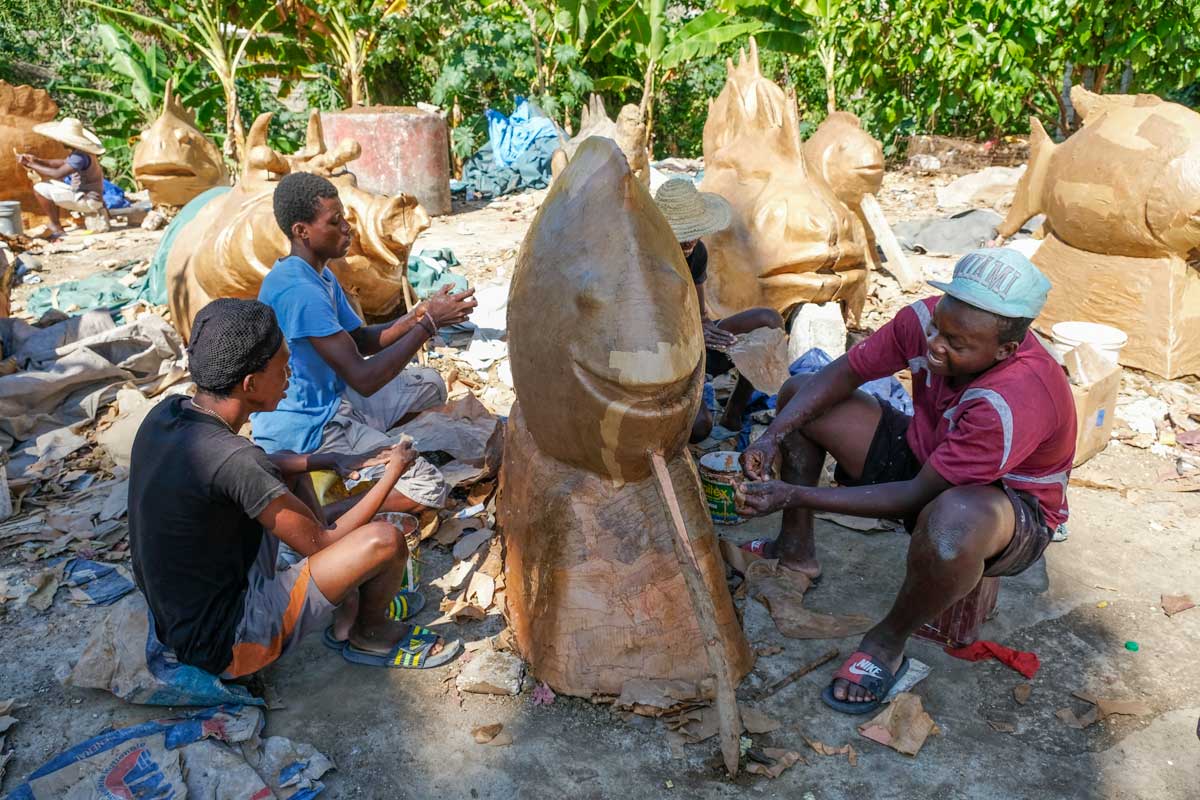
From towering papier-mâché masks to vivid paintings and handmade crafts, Jacmel’s streets pulse with artistry — and nowhere more than in the ateliers of Lakou New York and the Jacmel Arts Center. This walkable hub in the historic center is home to some of Haiti’s most prolific Carnival artists. Reach out in advance — you might catch a master like Charlotte Charles at work, or even join a hands-on workshop.

Just around the corner, the Jacmel Arts Center — housed in a restored 19th-century building on Rue Ste-Anne — blends gallery, school, boutique, and performance space under one roof. Led by a collective of 100+ artists, it’s as much about community as it is about creativity. Come for the tour, stay for the conversation — and let the color seep in.

a vodou priest and practitioner performing a dance
A ougan at a Vodou ceremony
Photo: Pierre Michel Jean

11. Attend a Vodou Ceremony

More than skulls, sequins, and smoke, a Vodou ceremony is a sensory plunge into Haiti’s spiritual soul — rhythmic, raw, and deeply alive. If you’re lucky enough to attend one around Jacmel, expect pounding drums, flickering candles, and dancers who give their bodies to the spirits in a trance-like communion called possession.

You’ll need a local guide to connect you — these aren’t staged performances but real rites of healing and connection, often held at a peristil temple or under a sacred tree. Dress respectfully (but not in white), bring a bottle of kleren as an offering, and arrive with an open mind. Forget mainstream Hollywood portrayals — what you’ll find is reverence, rhythm, and a celebration of life that’s rooted in centuries of resistance and resilience.

Intrigued by Haiti’s spiritual roots? Our Vodou ceremony guide goes deeper.


Written by the Visit Haiti team.

Published March 2025.


Read story

Where to Sleep, Swim, and Slow Down in Jacmel

Hotel Manoir Adriana in Jacmel
Photo: Mikkel Ulriksen

Where to Sleep, Swim, and Slow Down in Jacmel

Copy LinkEmailFacebookShare

With its faded gingerbread mansions, palm-lined seafront, and a creative spirit stitched into nearly every balcony and breeze, Jacmel is a city that hums quietly with charm. Haiti’s cultural capital is no stranger to beauty — or contradiction. One minute you’re sipping Haitian rum under the stars in a crumbling 19th-century courtyard, the next you’re paddling across a private cove surrounded by coconut trees.

While Jacmel may not have five-star hotels or infinity-edge anything, it offers something rarer: soul. The kind of place where the paint peels just right, where the sea is never far, and where the best stays feel like secrets — half-whispered from one traveler to another.

From historic hideaways in the heart of the old town to barefoot surf lodges tucked deep into the hills, these are the places we think are worth waking up in.

Hotel Florita, Jacmel
Photo: Mikkel Ulriksen

1. Hotel Florita

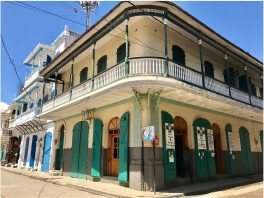
For those with a taste for poetic decay and a soft spot for stories embedded in floorboards, Hotel Florita is where you’ll want to unpack your bags — and your notebook. Built in 1888 as a coffee magnate’s mansion, this baby-blue and white landmark — complete with iron columns and creaky wooden stairs — is the only 19th-century building in Jacmel’s historic district still doing what it was meant to do: host lively conversation, long nights, and travelers with time to waste.

There’s no pool, no spa, and no polished concierge — but there is a balcony overlooking Rue du Commerce, a rum sour waiting at the bar (the first one’s on the house), and original artwork by legendary Haitian painters like Philomé Obin and Gérard Fortuné. The vibe channels that same faded grandeur you’ll find at Hotel Oloffson in Port-au-Prince — part literary relic, part film set.

Thursday nights are when the courtyard comes alive, pulsing with music, dancing, and a crowd of artists, expats, and old poets who seem to drift in and never fully leave. In the morning, slip next door to Café Koze for an iced coffee or a slice of carrot cake before tracing your steps through Jacmel’s gallery-lined streets. But don’t be surprised if Florita keeps calling you back — it’s the kind of place that makes you believe in ghosts, and maybe even in staying still.

Book your stay at Hotel Florita!

L’Auberge du Vieux Port in Jacmel
Photo: L’Auberge du Vieux Port

2. L’Auberge du Vieux Port

Just 15 metres down from Hotel Florita — but a world apart in feel — L’Auberge du Vieux Port wears a colonial façade with freshly painted confidence. Think green shutters, brickwork, and an old-world exterior that nods politely to Jacmel’s past. Step inside, though, and it’s clear: this isn’t a time capsule. The interiors are concrete, clean, and quietly contemporary — more comfortable guesthouse than crumbling mansion.

Owned by a warm Haitian husband-and-wife team who are often on-site, the hotel hosts weekly Friday night jazz sessions that spill out from the restaurant onto the street. Expect small tables, live music drifting through open doors, and clinking glasses of house-made Bomuzack rum under the stars.

The food here is quietly excellent — elevated Haitian comfort dishes with generous portions — and while the vibe is less “wandering poet” than its neighbour up the street, it’s no less local. Think families, couples, and groups of friends gathered for a mellow night out. The atmosphere? Pure Jacmel: musical, unhurried, and impossible to fake.

Check availability at L’Auberge du Vieux Port!

Hotel Manoir Adriana in Jacmel
Photo: Mikkel Ulriksen

3. Manoir Adriana

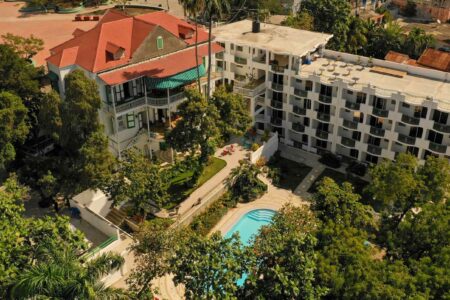
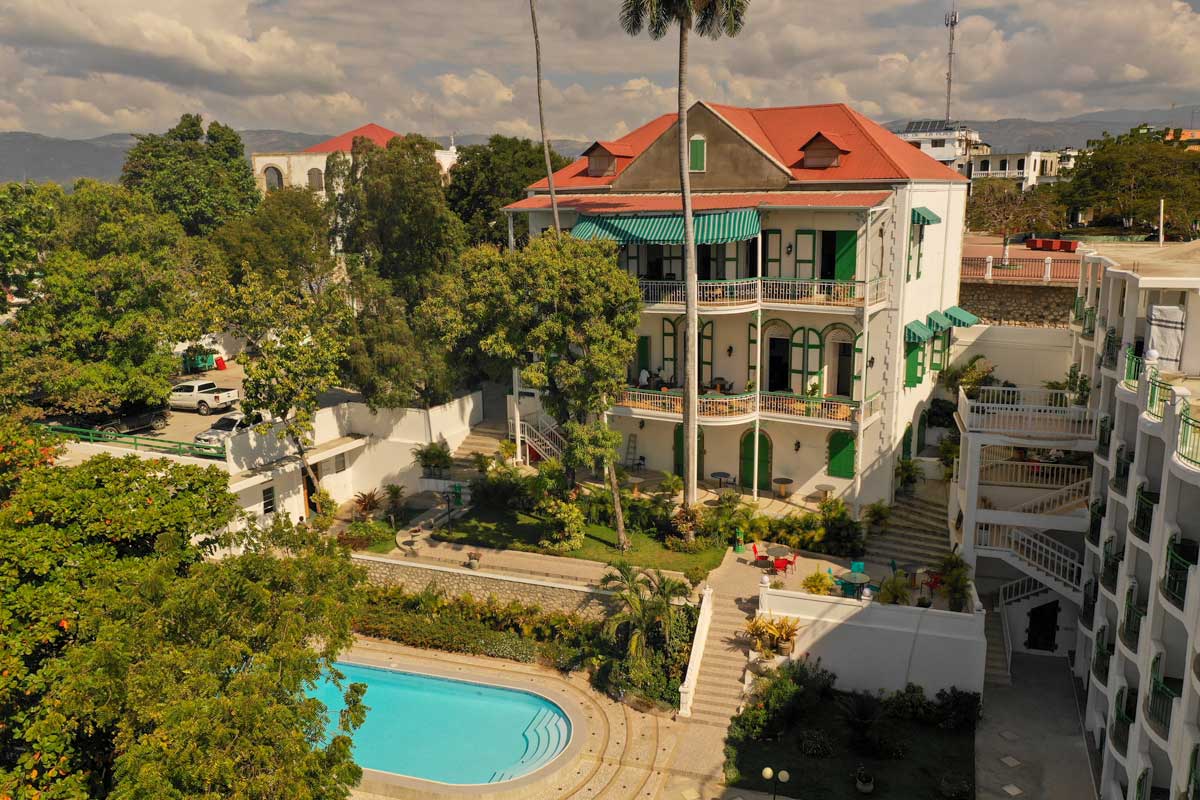
Tucked just a few minutes from Rue du Commerce, Manoir Adriana is a hotel of split personalities — and that’s its charm. On one side: a towering, beautifully restored Haitian gingerbread mansion, all fretwork, balconies, and old-world romance. On the other: a concrete modern addition that houses thirty guest rooms, each with a balcony overlooking a lush courtyard and the largest pool in Jacmel’s city center. The effect is surreal — like sleeping in a novel. Which, in fact, you are.

The name “Adriana” nods to Hadriana in All My Dreams, René Depestre’s celebrated 1988 novel set in Jacmel, about a young French woman transformed into a zombie on her wedding day. It’s fitting — this place lives somewhere between reality and myth.

Inside the gingerbread house you’ll find the bar and reception, plus breezy wraparound verandas perfect for lingering over a cool drink. Rooms in the annex are modern, spacious, and come with air-conditioning — though, at the time of writing, Jacmel’s electricity woes make it more wish than guarantee. Still, for travelers wanting a pool, a bit of space, and a hotel that straddles both past and present, Manoir Adriana hits a rare sweet spot: somewhere between storybook and staycation.

See rooms and rates at Manoir Adriana Hotel!

Cap Lamandou Hotel in Jacmel
Photo: Cap Lamandou

4. Cap Lamandou

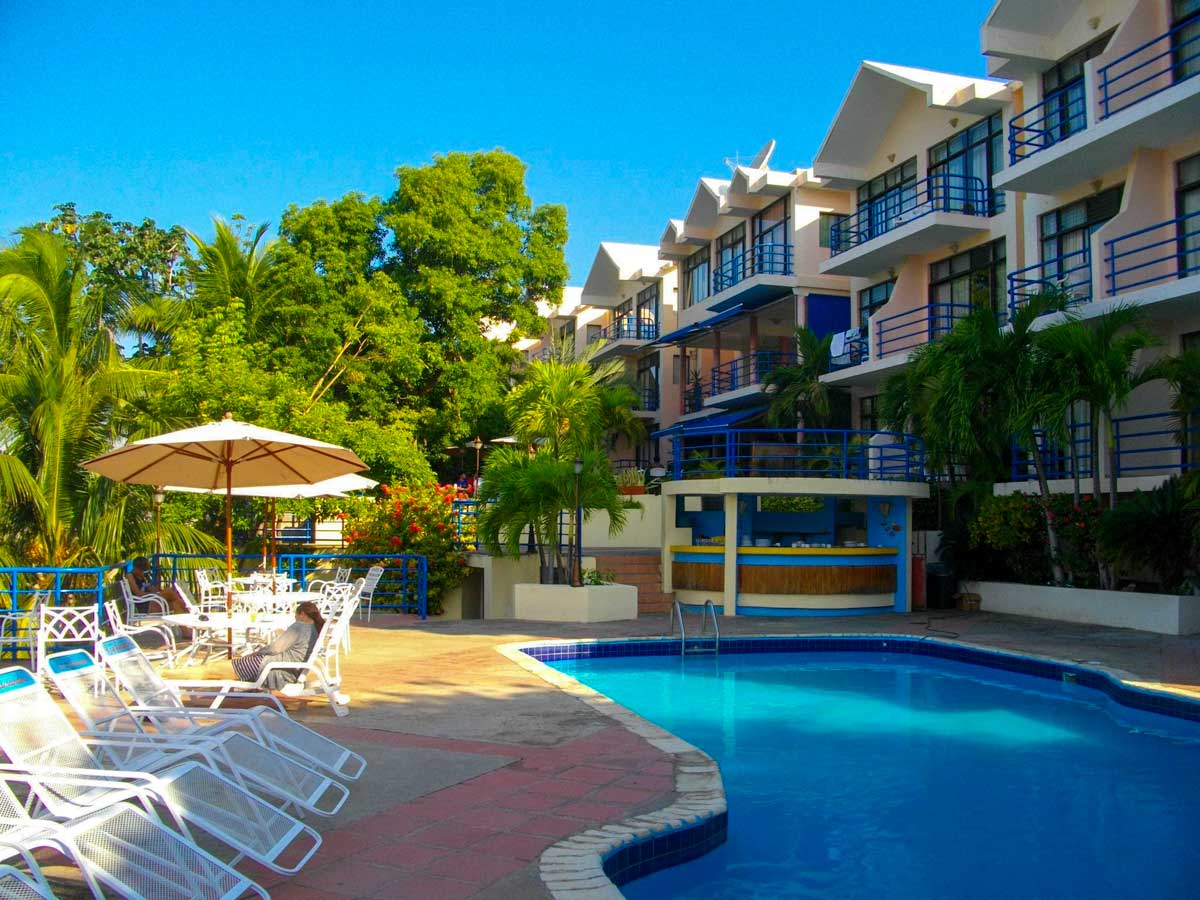
Perched above Jacmel Bay on a quiet stretch of coastline, Cap Lamandou is a short drive — and a bumpy dirt road — from the city center, but rewards the detour with big skies, ocean air, and the kind of views that never get old. All 32 rooms face the water and come with balconies — opt for the top floor if you want that cinematic, sun-on-the-horizon moment. Built in 2003 and largely untouched since, the hotel has a certain throwback charm: clean, functional, and just a little bit frozen in time.

There’s a large pool that’s almost always blissfully uncrowded, a modest gym (rarity in these parts), and a small beach just down a rocky path — not private, but usually empty enough to feel like it is. The restaurant is a slow burn, so order early — but it’s worth the wait. Expect plates piled high with grilled lobster, poisson gros sel, and octopus, all served with a sharp, fiery side of pikliz that’ll wake up even the sleepiest taste buds.

You’ll likely be sharing the scene with Haitian families on weekend getaways and NGO workers recharging over Prestige beers. Not much is walkable, but if you ask around, a boat can ferry you across the bay to Baguette — a wild, lesser-known beach that feels like a secret whispered by the sea.

Plan your stay at Cap Lamandou!

Pool area at Hotel Cyvadier Plage
Photo: Jean Oscar Augustin

5. Hotel Cyvadier Plage

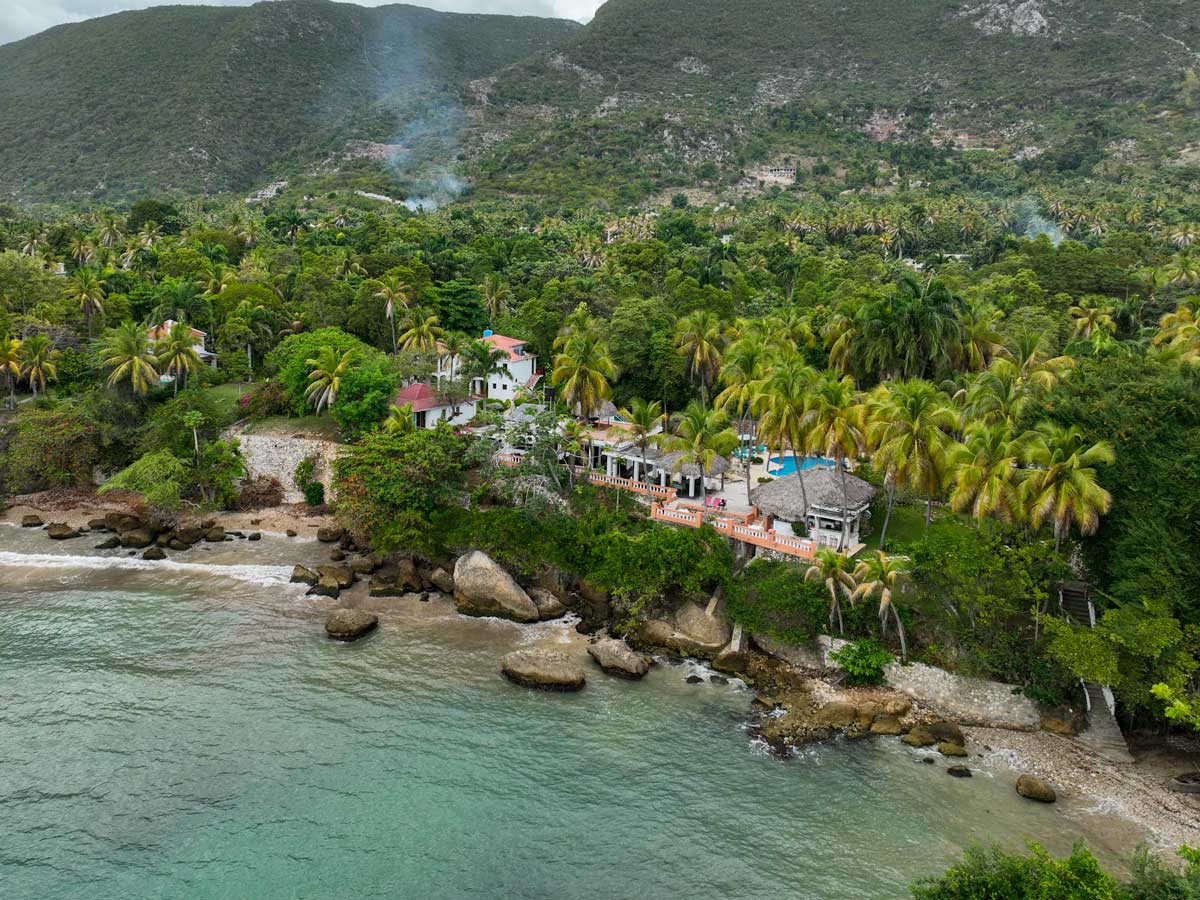
Twenty minutes outside Jacmel, tucked into a secluded, U-shaped cove, Hotel Cyvadier Plage has the kind of off-the-map feel that makes you forget how close you are to town. It’s not a luxury resort — and doesn’t pretend to be — but this family-run hideaway gets the important things right: swimmable waters, towering palms, and sunrise views that make early wake-ups feel like a spiritual practice.

The rooms are rustic and no-frills, but most guests spend their time outdoors anyway — either lounging by the pool, paddling across the calm bay on stand-up boards, or climbing down the stone staircase to the small, quiet beach below. The open-air restaurant is the perfect perch for a long lunch. Order the Thai lambi — tender conch in a curry-like sauce — and pair it with a cocktail and the ocean breeze.

Looking for a little more action? Head to nearby Raymond-les-Bains, a beloved local beach that turns into a full-blown scene on weekends. Think boomblasters, buckets of grilled seafood, plastic chairs in the sand, and umbrella-shaded joy.

Book your stay at Hotel Cyvadier Plage!

Haiti Surf Guesthouse, Cayes-Jacmel
Photo: Haiti Surf Guesthouse

6. Haiti Surf Guesthouse

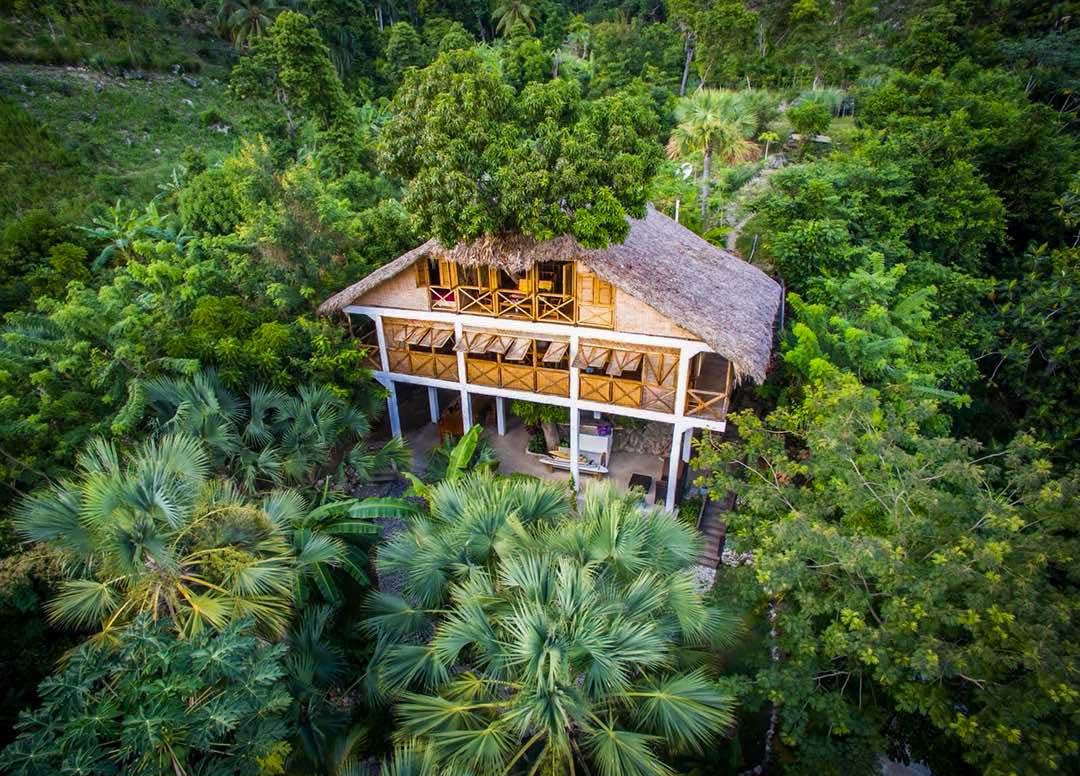
For those willing to trade room service for jungle silence and a surfboard, Haiti Surf Guesthouse is where the road — quite literally — goes off the map. Tucked deep into the hills above Cayes-Jacmel, about 40 minutes from the city of Jacmel, this rustic eco-lodge is all wooden bungalows, palm-thatched roofs, and trees so tall they block any glimpse of the sea. You’ll need a 4×4 or a steady moto to reach it, but the reward is a kind of wild, unplugged magic you won’t find anywhere else in Haiti.

Don’t expect air-conditioning or infinity pools. What you get instead: a communal kitchen, a low-key crowd of surfers and creatives, a restaurant serving strong cocktails and even stronger coffee, and a freshwater creek that runs straight through the property, feeding a spring-cooled plunge pool that’s as clear as it is cold. It’s the kind of detail that makes you believe in the art of slow living.

A short ride away lies Kabik Beach — one of Haiti’s best surf spots — where the waves roll in steady and the lineup is, well, nonexistent. The guesthouse rents boards and arranges lessons with local instructors. Most days, it’s just you, the ocean, and the sound of your own breath.

Reserve a bungalow at Haiti Surf Guesthouse!

Looking for more boutique stays across the country? Check out our guide to Haiti’s coolest independent hotels!


Written by the Visit Haiti team.

Published March 2025.


Read story

Think You Know Haiti? These Six Cities Say Otherwise

City of Baradères
Photo: Anton Lau

Think You Know Haiti? These Six Cities Say Otherwise

Copy LinkEmailFacebookShare

Most people only know Haiti by name—usually tied to its capital. Even those who visit often barely scratch the surface. They fly into Cap-Haïtien, hit the beaches, and leave thinking they’ve seen it all. But Haiti is so much more than its gateways.

Step beyond the usual stops, and you’ll find cities where history wasn’t just made—it’s still alive in the streets. Places where independence was declared, where Vodou rhythms beat through the night, where poets and novelists shaped a literary legacy, and where the air carries the scent of vetiver fields and sea salt.

From highland towns to coastal hideaways, these six Haitian cities invite you to go deeper—because to really understand Haiti, you have to explore it beyond the obvious.

Pestel
Photo: Mikkel Ulriksen

1. Pestel

If you’re the kind of traveler who dreams of off-the-grid escapes, Pestel is calling your name. Tucked away in the Grand’Anse region, this lush, untamed corner of Haiti is equal parts mountain retreat and coastal hideaway.

The town’s rust-red soil fuels a landscape of rolling hills, dense forests, and tropical fruit orchards, while just below, the Caribbean laps at the shore—a stunning contrast you won’t find just anywhere. It’s the kind of place where time slows down, perfect for long walks, boat rides, and evenings spent under a sky full of stars.

Looking for the best view in town? Hike up to Fort Réfléchi, an old fortress perched high above the coast. From here, you’ll get a breathtaking panorama of the Baradères Peninsula—the kind of view that makes you forget about Wi-Fi and city noise.
For an even wilder adventure, take a 20-minute boat ride to Petit Caymite, a tiny island just off the coast. Here, you’ll find Anse Blanche, one of Haiti’s most stunning yet lesser-known beaches. Powdery white sand, turquoise water, and zero crowds—this is the kind of place you’ll wish you could keep secret.

Insider tip: Pack sturdy shoes! Pestel’s best spots—whether up in the hills or down by the water—are best explored on foot.

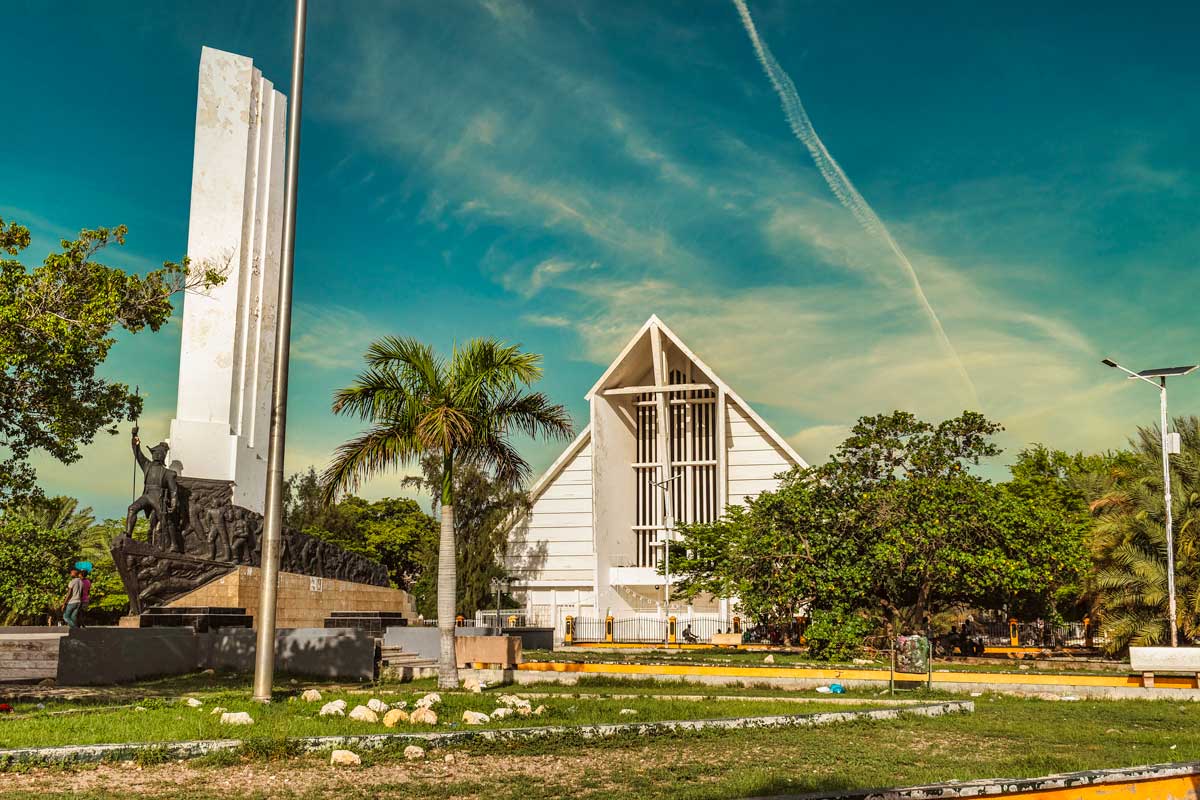
Cathédrale Du Souvenir in Gonaïves
Photo: Jean Oscar Augustin

2. Gonaïves

Few cities can claim a title as grand as Gonaïves, Haiti’s Cité de l’Indépendance (City of Independence). It was here, on January 1, 1804, that Jean-Jacques Dessalines stood before the Haitian people and declared the nation’s independence, making Haiti the first free Black republic in the world.

You can still feel history in the air as you wander Place d’Armes, where statues of Haiti’s independence heroes stand tall. If you visit on New Year’s Day, expect parades, music, and steaming bowls of soup joumou—Haiti’s national dish, served in celebration of the country’s hard-won freedom.

But Gonaïves isn’t just about history—it’s also one of the best places to experience Haiti’s Vodou culture. The city is home to many lakou, traditional Vodou spiritual communities where drumming, rituals, and storytelling are woven into daily life. Two of the most famous, Lakou Souvenance and Lakou Soukri Danache, draw visitors and worshippers alike for their annual festivals, Vodou ceremonies and deep spiritual significance. If you’re curious, ask a local guide to arrange a visit—it’s an experience you won’t forget.
Insider tip: Stop by the Centre PEN Haïti, a cultural hub in Gonaïves that regularly hosts book signings, poetry readings, and literary events featuring some of Haiti’s most celebrated writers.

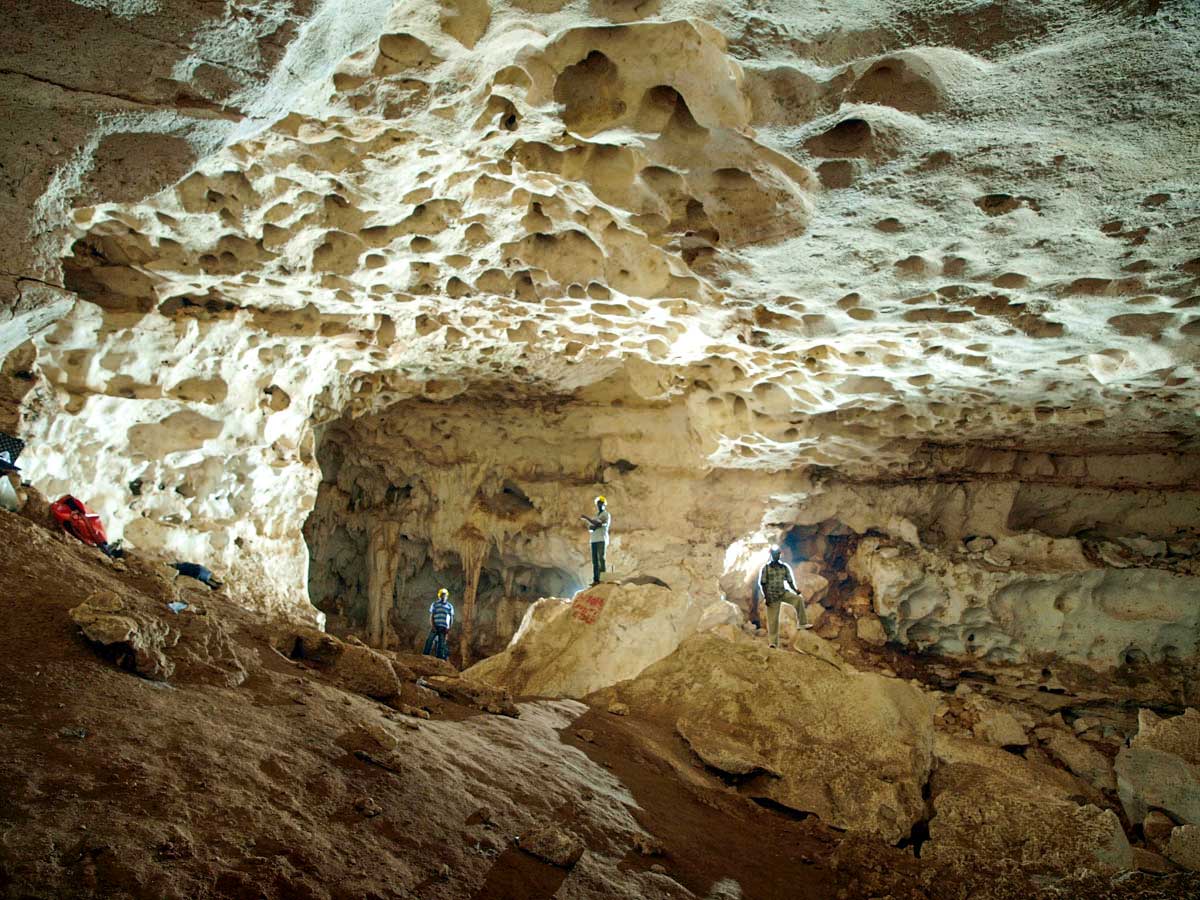
Grotte Marie Jeanne in Port-à-Piment
Photo: CavesOfHaiti.org

3. Port-à-Piment

Tucked along Haiti’s southwestern coast, Port-à-Piment is a town that offers far more than just sun and sand. Sure, the beaches here are stunning—think powdery white sand, turquoise waters, and a slow, easy pace—but if you’re the adventurous type, there’s something even more exciting waiting inland.

Welcome to Grotte Marie-Jeanne, the longest cave system in the Caribbean. This multi-level labyrinth of chambers and tunnels stretches nearly 4 kilometers underground, revealing stalactites, stalagmites, and ancient rock formations that feel straight out of an Indiana Jones movie. It’s one of Haiti’s most breathtaking natural wonders, and we even featured it in our roundup of the most beautiful destinations in Haiti. An essential stop for history buffs, thrill-seekers, and curious travelers

Back on the surface, the town is a classic Haitian fishing village, where life moves to the rhythm of the sea. Lobster, conch, and freshly caught fish are the stars of local cuisine, best enjoyed with a side of coconut water straight from the shell.

Insider tip: After exploring Port-à-Piment, make your way to Port-Salut, home to one of Haiti’s most spectacular beaches and a must-visit for sun-seekers.

City of Jacmel
Photo: Anton Lau

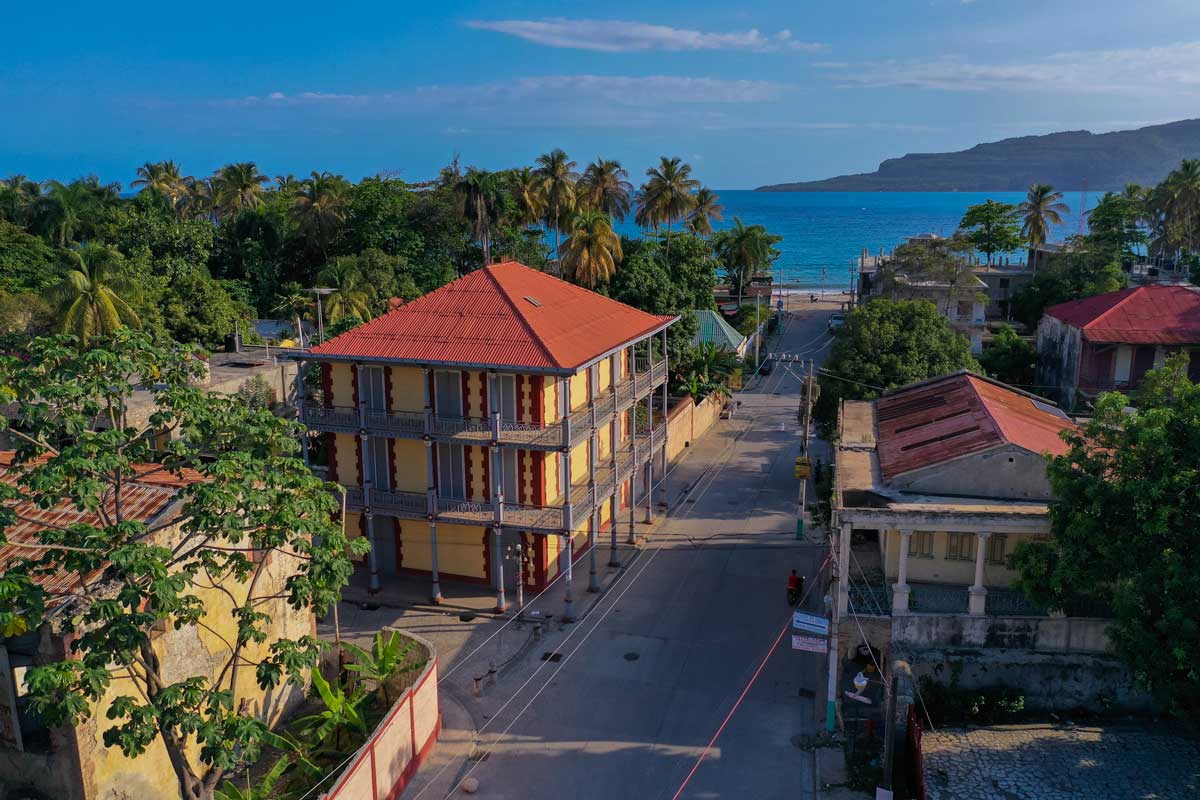
4. Jacmel

If there’s one Haitian city that effortlessly blends history, artistry, and coastal beauty, it’s Jacmel. Known as the cultural capital of Haiti, this charming seaside town is a haven for artists, musicians, and free spirits—and it’s impossible to visit without being swept up in its creative energy.

Strolling through Jacmel’s historic downtown, you’ll find gorgeous 19th-century mansions with ornate wrought-iron balconies, a legacy of the city’s once-booming coffee trade. But the real magic is in the details: murals, mosaics, and colorful street art that turn the entire town into an open-air gallery.

Jacmel is also home to Haiti’s most famous carnival, a spectacle of elaborate papier-mâché masks, hypnotic drumbeats, and vibrant dancing. If you’re lucky enough to visit during the festivities, prepare for a celebration like no other.

Need a break? Stop by Café Koze, a cozy little spot on Rue du Commerce for a light lunch, iced coffee, or a glass of fresh juice. Grab a seat outside, watch the world go by, and soak in the rhythm of daily life in Jacmel.

Then, wander through the city’s quiet side streets, past sun-faded facades and hidden courtyards, where every turn feels like stepping into another era.

Insider tip: Want to bring a piece of Jacmel home with you? Stop by one of the city’s many artisan workshops to pick up a handmade papier-mâché mask—a true piece of Haitian culture.

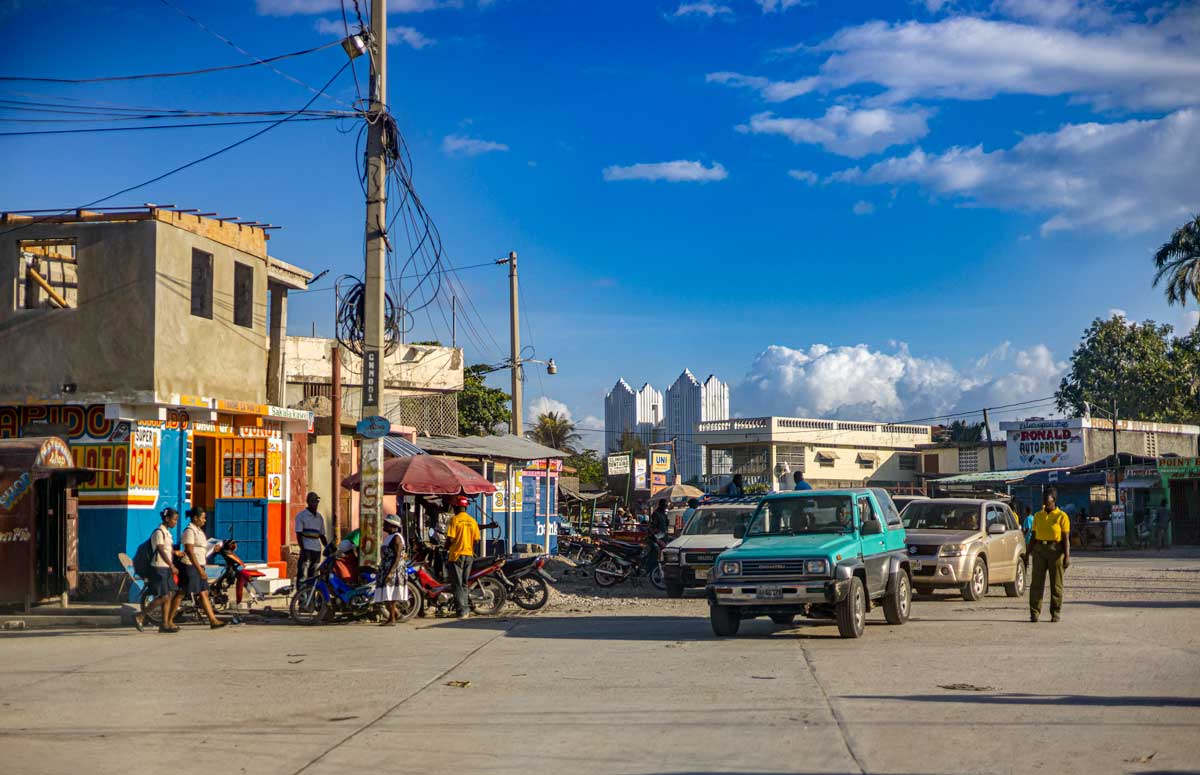
Traffic in Les Cayes
Photo: Dyerlin Delva

5. Les cayes

With its laid-back coastal vibe and strong maritime culture, Les Cayes is one of Haiti’s most charming port cities. This southern gem is famous for Gelée Beach, where locals and visitors alike gather to enjoy soft golden sands, fresh seafood, and the rhythmic beats of konpa music drifting from seaside restaurants. Order a plate of grilled lobster or fried fish, sip on an ice-cold bottle of Prestige or a glass of fiery kleren, and let the ocean breeze do the rest.

But Les Cayes isn’t just about lazy beach days—it’s also a gateway to some of Haiti’s most stunning natural wonders. A short drive from the city takes you to Saut-Mathurine, the largest waterfall in southern Haiti. Hidden in the lush hills of Camp-Perrin, its cool turquoise waters make it an irresistible spot for a refreshing swim after a day of exploring.

One of the things that makes Les Cayes truly unique? Its scent. The region is Haiti’s hub for vetiver production, a fragrant grass used in some of the world’s most luxurious perfumes. The city is home to massive distilleries that extract this highly sought-after essential oil, and you’ll see huge trucks piled high with freshly harvested vetiver rolling through town. The result? An earthy, intoxicating aroma that lingers in the air—an unmistakable signature of Les Cayes.

If you’re up for an adventure, take a boat from Les Cayes to Île-à-Vache, a breathtaking island just off the coast, where hidden coves and pristine beaches create a paradise for off-the-grid travelers.

Insider tip: If you visit in August, don’t miss the Festival de Gelée, a massive celebration of food, music, and Haitian culture that transforms the beach into a buzzing party scene.

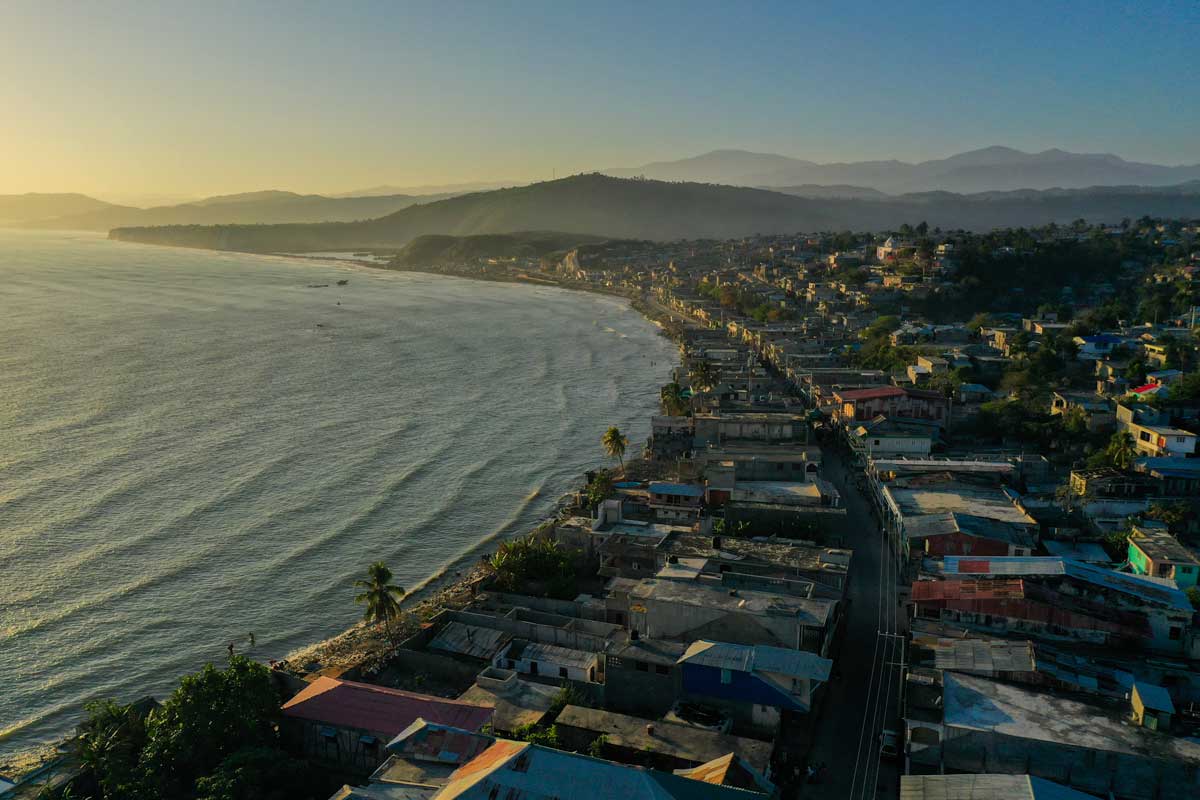
Coast of Jérémie
Photo: Anton Lau

6. Jérémie 

Jérémie has long been called the “Cité des Poètes” (City of Poets)—and for good reason. This charming coastal town is the birthplace of Etzer Vilaire and Émile Roumer, two of Haiti’s most celebrated writers. It’s also where General Thomas-Alexandre Dumas, father of French writer Alexandre Dumas, père, was born—tying this quiet Haitian town to the literary legacy of The Three Musketeers. (Want more surprising facts about Haiti? We cover this and more in our Fun Facts About Haiti article!)

Jérémie greets visitors with the Grande-Anse River, which runs beneath Pont de Jérémie, the city’s entrance. Beyond the bridge, you’ll find Haiti’s breadbasket—lush farmland bursting with plantains, yams, sweet potatoes, and breadfruit.

This deep connection to the land extends to its food. Locals swear by tomtom, a sticky breadfruit purée best paired with okra sauce, and konparet, a spiced, slightly sweet bread you’ll find in bakeries all over town—perfect for a quick snack on the go.

For those looking to explore, Anse d’Azur offers soft sand and clear waters far from the crowds, while the surrounding hills are a paradise for hikers and birdwatchers. (Spotting a rare species? Check out our guide to Haitian birds to see what you found!)

Jérémie was once one of Haiti’s most remote cities, its rough roads keeping it cut off from the rest of the country. Today, it’s easier to reach—but still holds onto the slower rhythms, creative energy, and natural beauty that make it feel like a world of its own.

Insider tip: In the afternoon, head to the docks to watch the wooden sailboats glide in and out—a tradition that has connected Jérémie to the rest of Haiti for generations.


Written by Melissa Beralus.

Published March 20205.


Read story

Jump into the Cobalt Waters of Bassin Bleu

Person swimming beneath a waterfall in Bassin Bleu, Haiti
Bassin Bleu waterfall near Jacmel
Photo: Franck Fontain

Jump into the Cobalt Waters of Bassin Bleu

Copy LinkEmailFacebookShare

Guarded by towering rock formations and hidden within lush, emerald-green jungle, Bassin Bleu is a natural oasis just outside Jacmel. Its four dazzling cobalt-blue pools—each with its own unique character—are linked by cascading waterfalls, offering an adventure that combines hiking, swimming, and the sheer joy of discovering one of Haiti’s most breathtaking landscapes.

With four basins of pristine natural beauty to choose from – Cheval, Yes, Palmiste and Clair – you can take your pick, but the star of the show (in our humble opinion) is undoubtedly Bassin Clair.

Watch this video to get a glimpse of Bassin Bleu before your visit:

Explore Four Bassins

Hiking through the dense, humid greenery of the surrounding jungle to find the falls, you can expect to break a sweat, but as the rush of the waterfalls grows louder, the forest clears, and the marvellous turquoise of Cheval basin comes into focus, you’ll be glad you made the effort.

Cheval is the first basin on the trail, and although striking in colour, the water is quite safe to wade into. Cheval doesn’t make it into many travel guides, but it’s shallow depth makes it suitable for everyone, including children (under supervision of course). If you’re planning on seeing the rest of Bassin Bleu, take the time to pause at Cheval: sit back, relax, and enjoy the impressive view of the southeastern coastline while you soak your feet in the bright-blue water.

For intrepid explorers who want to continue, a short walk will bring you to the 15 ft deep Bassin Yes. Beyond Bassin Yes, you’ll be rewarded with the perfect stop for a drink and bite to eat (and another swim of course), in the form of Bassin Palmiste, an impressive 57 ft deep. A series of uniquely-crafted concrete tables and seating areas, designed to meld into and complement their natural surroundings, provide convenient places to enjoy the view in comfort.

To see firsthand the impressive Bassin Clair, you’ll need extra effort, a rope, and the help of an experienced guide. Not far past Bassin Palmiste you’ll find a narrow staircase set into the natural rock formations, which will lead you up to the top of a rock hunkered into the side of the mountain. The short descent – just 10 feet – down the other side will feel much further, and is best done under the watchful eye of a guide, assisted by the aforementioned rope. Welcome to Bassin Clair.

Woman stands on the bank of a bright blue pool at Bassin Bleu, Haiti
Bassin Bleu, Jacmel, Haiti
Photo: Anton Lau

Dive in

Beneath the inviting turquoise surface, there’s much more to this pool than meets the eye. At 75 feet deep, Bassin Clair is an incredible location for floating meditation, and offers the deep tranquility and peace that flotation tanks can only dream of. As you drift, suspended, the stone of the mountain beneath your feet gives way, and the unusual mix of minerals in the pool buoys you up, creating the sensation that you are floating through air.

For the thrill-seekers among you, mere floating may not be enough. Join the ranks of experienced (or just adventurous) locals who climb up the rock surface to one of the jumping-off points and perform dives and backflips, taking turns breaking the serene surface of Bassin Clair. Just make sure you save some of that energy – it’s easy to forget you still need to hike back out at the end of the day.

Getting to Bassin Bleu

Option One: Join a Tour
Join a tour from either Jacmel or Les Cayes. A veteran guide will lead you through the jungle and deliver you safely to your dream destination. With transportation included (from Les Cayes and typically from Jacmel as well), this option takes the effort out of the journey, leaving you with more energy to explore Bassin Bleu itself.

Option Two: Hike from Jacmel
It’s possible to reach Bassin Bleu on foot from Jacmel, with the hike taking approximately two hours from the city center to the waterfall. Start by heading towards the Jacmel River, which you’ll need to cross before following the mountain road that winds through the hills. You’ll want to pack plenty of water for your trek through dense vegetation and up the mountain trails. Following the inclines of the path, you’ll see plenty of stunning landscapes and get a commanding view of the southeastern coastline—the reward of a cool swim at the end will make it all worthwhile.

Option Three: Moto or Private Car
If hiking isn’t your style, you can hire a moto or a private taxi to take you closer to the entrance. While a car can get you most of the way, expect to walk the final stretch through the forest.

Entrance Fees & Guide Costs

Entrance fees 
Admission is 250 HTG per person and an additional 250 HTG per car in parking fees.

A note on guides:
Getting to Bassin Bleu can be tough but rewarding and we recommend hiring a local guide.

When it comes to finding a guide, don’t worry – they’ll find you! In fact, if you don’t pick a guide and insist that the other hopeful candidates leave you alone, you can end up in the awkward situation of having several guides accompany you, all expecting to be paid at the end. Choose one (or more) guide, and insist that the rest leave you to it.

Make sure you negotiate a price with your guide before you start – 500 to 1000 HTG is a reasonable price. Bring the right bills with you.

Pool surrounded by cliffs at Bassin Bleu waterfall, Jacmel
Bassin Bleu, Jacmel, Haiti
Photo: Anton Lau

The Best Time to Visit

For the most vibrant blue waters, visit on days when it hasn’t rained recently. After rainfall, the pools can turn cloudy due to sediment runoff, slightly dulling their famous cobalt hue.

Safety Reminders & Travel Tips

  • Water currents: Be mindful of changing currents, especially after heavy rains.
  • Follow your guide’s advice: They know the safest routes and best swimming spots.
  • Bag carriers: Young locals often assist visitors by carrying bags and cameras through the water to the big rock overlooking Bassin Clair—consider tipping them for their help.

What to Bring:
Water shoes – The rocks can be slippery.
Waterproof phone case – Protect your gear from splashes.
Drinking water – The jungle heat and hike will leave you thirsty.
Small cash bills – For entrance fees, guides, and tips.

Remember, never underestimate the power of the water or the risks associated. If you are not joining a tour, inform your hotel or accommodation owner where you are going and be sure to check the conditions before you trek in.

Looking for more adventures in Haiti? Check out our guide to the best waterfalls in Haiti.


Written by Kelly Paulemon.

Published July 2018.

Updated February 2025.


Read story

Party like a Haitian at Jacmel Carnival

Dancing at Jacmel Carnaval, Haiti
Jacmel Carnaval
Photo: Franck Fontain

Party like a Haitian at Jacmel Carnival

Copy LinkEmailFacebookShare

More than just a party, Kanaval is a season that takes over Haiti, turning the entire country into a stage for creativity, revelry, and the uninhibited celebration of all things Haitian. Bold colors, fiery flavors, cheap (and dangerously good) rum, hypnotic music, and dancing that never stops—it’s all wrapped in a mix of mysterious folklore, mischievous spirits, and a deep sense of history. The echoes of Haiti’s colonial past stand side by side with its fiercely independent spirit, a reminder that this celebration is as much about identity as it is about revelry.

If you’re only in Haiti for a short time, the last thing you want is to waste hours figuring out where the party is. Plan ahead, head straight to Jacmel, and make your long weekend a non-stop Kanaval experience.

Jacmel Carnaval, Haiti
Carnival in Jacmel
Photo: Franck Fontain

Getting to Jacmel

Flying into Port-au-Prince is no longer a viable option, as the current volatility in the capital has made overland travel from Port-au-Prince to Jacmel impossible. Instead, you should fly into Cap-Haïtien, Haiti’s northern hub, and then take a Sunrise Airways domestic flight to Les Cayes in the south, which costs around $100 USD.

Once in Les Cayes, you can get to Jacmel via public transport in minivans known as tap-taps or by hiring a private taxi. The drive takes around five hours, but luckily, it’s one of the best-maintained roads in the country and offers some of the most scenic countryside views.

  • Tap-taps – The cheapest way to travel, costing around $35 USD, but also the most crowded. Expect a tight squeeze, lively conversations, and the chance to get out of your comfort zone. We recommend getting in early and head for the back row which offers fresh air and good access to the view of passing countryside.
  • Private taxi – A more comfortable (but significantly pricier) alternative. Rates vary, but expect to pay upwards of $200 USD for the trip.

Never taken a tap-tap before? Watch our guide on how to take a tap-tap in Haiti for tips on what to expect and how to ride like a local.

Once you arrive in Jacmel, prepare to be swamped by moto drivers who will enthusiastically vie for the chance to drive you to your accommodation. If you’re travelling light, you can walk: Jacmel is compact and everything’s within walking distance. If you feel like starting your trip with a shot of adrenaline, you can jump on a moto, but make sure you check this guide before you do.

Where to stay

If you book in advance, you can find accommodation at a spectrum of hotels, from historic lofty-ceilinged mansions of Victorian coffee barons like Hotel Florita to ocean view Airbnb villas with their own pool overlooking Jacmel bay like the Chic Chateau to family-owned hotels with private beach like Cyvadier Plage and maybe even a couchsurfing couch.

Whatever you choose, your local host will probably share with you their favourite way to enjoy Kanaval weekend. 

Body paint at Jacmel Carnaval, Haiti
Body paint at Jacmel Carnaval
Photo: Frank Fontain

How to party

First up, this is a three-day party. Slow and steady wins the race, so don’t get too swept away by the strange tides overtaking the city. The joy of Kanaval is in the air, but it’s perfectly fine to soak up the atmosphere from a distance while you settle into your room and crack open the first drink of the weekend.

If you make the rookie mistake of partying too hard on Friday night, you’ll be hitting the snooze button while everyone else is hitting the beach. On Saturday morning, the best move is to pack a bag and head to the beach, where it’s time to socialize, surf, and sip coconut water (or something stronger).

As night falls over the glistening bay of Jacmel, the energy shifts, and it’s time to pick your party. If you’re looking for a classic nightclub experience, Le Belvédère is one of Jacmel’s most iconic spots, located within walking distance of most city hotels. For something more high-energy, Var Club is a favorite, but since it’s a 10-minute drive from downtown, you’ll need to arrange transportation. Expect blasting Afrobeats, Kompa, Raratech, and other tropical rhythms—and don’t count on having much conversation.

If you’re after something more relaxed, L’Auberge du Vieux Port is the place to be, with live jazz performances and a slightly older crowd.

Stay up as late as you want, but don’t forget—Sunday is the big finale.

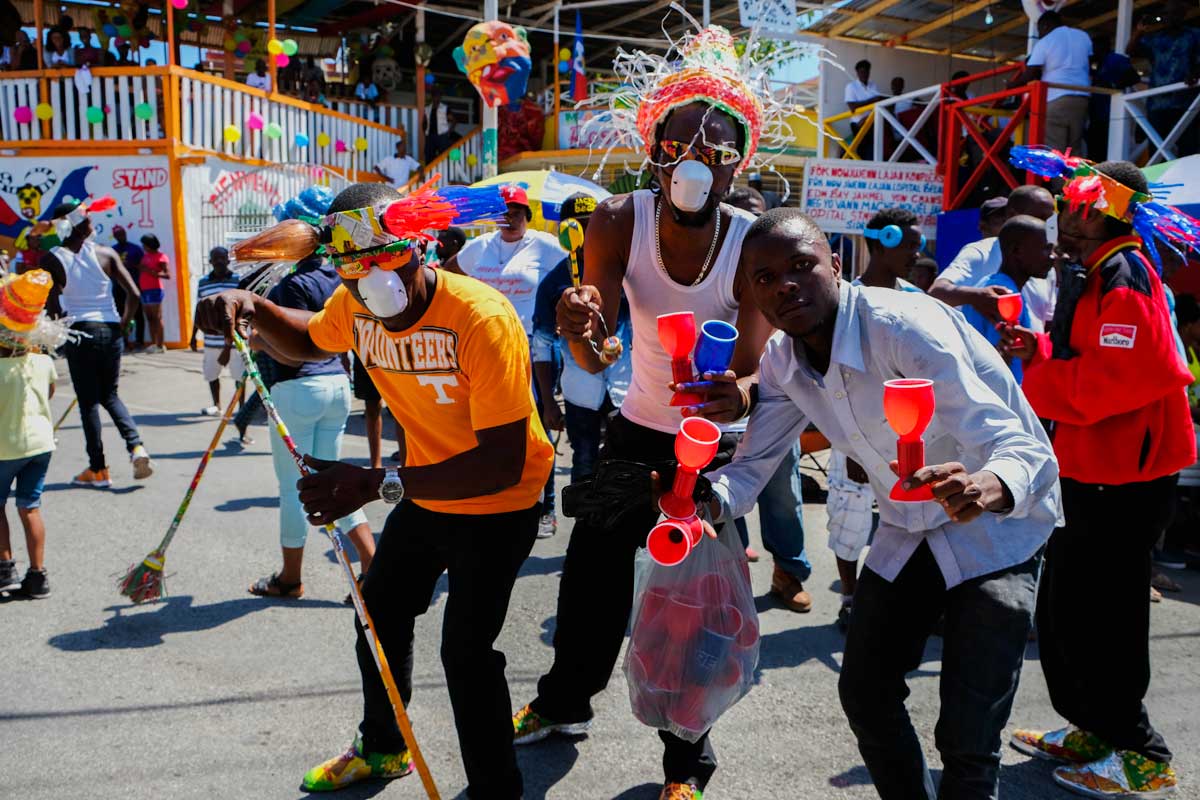
This brings us to the final stretch of the weekend: Sunday, and the main event. Kanaval proper is a parade that floods the streets with song, rhythm, and color. The creativity and intricacy of the masks are constantly astonishing. Alongside the bold primary colors, voluminous dresses, and towering turban-like headpieces you’d expect, you’ll find modern twists—body paint, avant-garde costumes, and masks that veer into the dark, bizarre, and surreal, rivaling the novelty and extravagance of Burning Man.

All of this unfolds to a ceaseless backdrop of Caribbean rhythm and voices lifted in song, often in Creole. The bands perform with unstoppable energy and stamina, and the “cha” will teach you that music can be played louder than you thought was possible. For the next twelve hours, the main streets will be packed with movement as the crowd dances, sings, and parties nonstop—straight into the early hours of Monday.

Curious about the characters and costumes of Jacmel Carnival? Check out our guide to the colorful figures that make Kanaval unforgettable.

Carnival stand at Jacmel Carnaval, Haiti
Carnival stand at Jacmel Carnaval
Franck Fontain

Kanaval stands

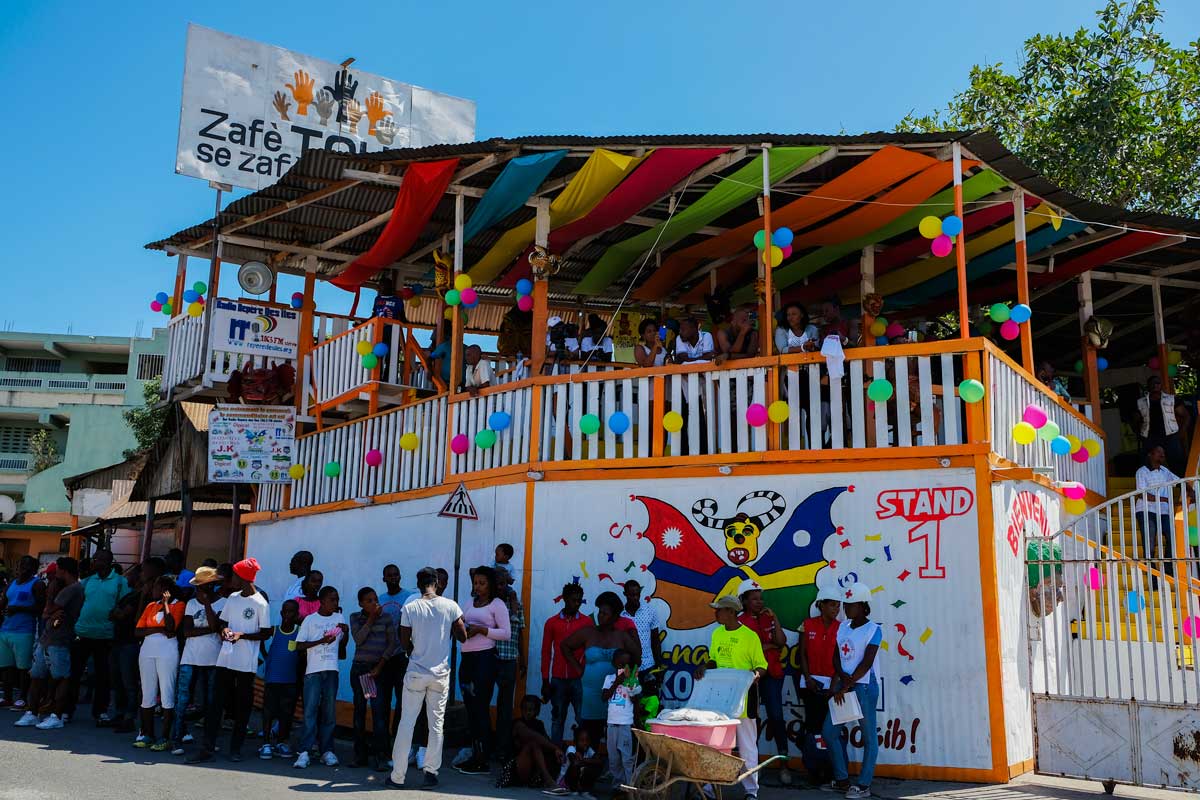
If you’re serious about surviving Sunday, it’s worth spending $10–$30 USD for a stand ticket. Not only does it give you a home base to stash your belongings, but it also lets you dive into the crowd, ride the wave of the parade, and retreat to rest when needed.

If you’re in Haiti on a tight budget, you might be tempted to skip the stands in search of a more “authentic” (and cheaper) experience. But trust us—after hours of nonstop dancing, sun, and crowds, the convenience of a seat becomes priceless. It’s better to have a spot on a stand and not use it than to need a spot on a stand and not have it.

If you sprinted into the weekend on Friday night with a big hoorah then the parades, rara bands and cha’s on Sunday will more than likely exceed your tolerance for stimulus. But if you paced yourself, you’ll have the energy to keep up with the rum cocktails, the relentless music, and the chaotic beauty of it all.

Carnival is a party tsunami—vibrant mayhem, organized chaos, unfathomably loud, and absolutely unforgettable. And let’s be honest—once you’ve experienced it… you’ll be back.


Written by Sarah Wallace.

Published August 2018.
Updated February 2025.


Read story