TRAVEL UPDATE: Visit Haiti from Home

Destinations

Fort des Oliviers Tells the Story of Haiti’s Colonial Past

Fort des Oliviers
Photo: Mikkel Ulriksen

Fort des Oliviers Tells the Story of Haiti’s Colonial Past

Copy LinkEmailFacebookShare

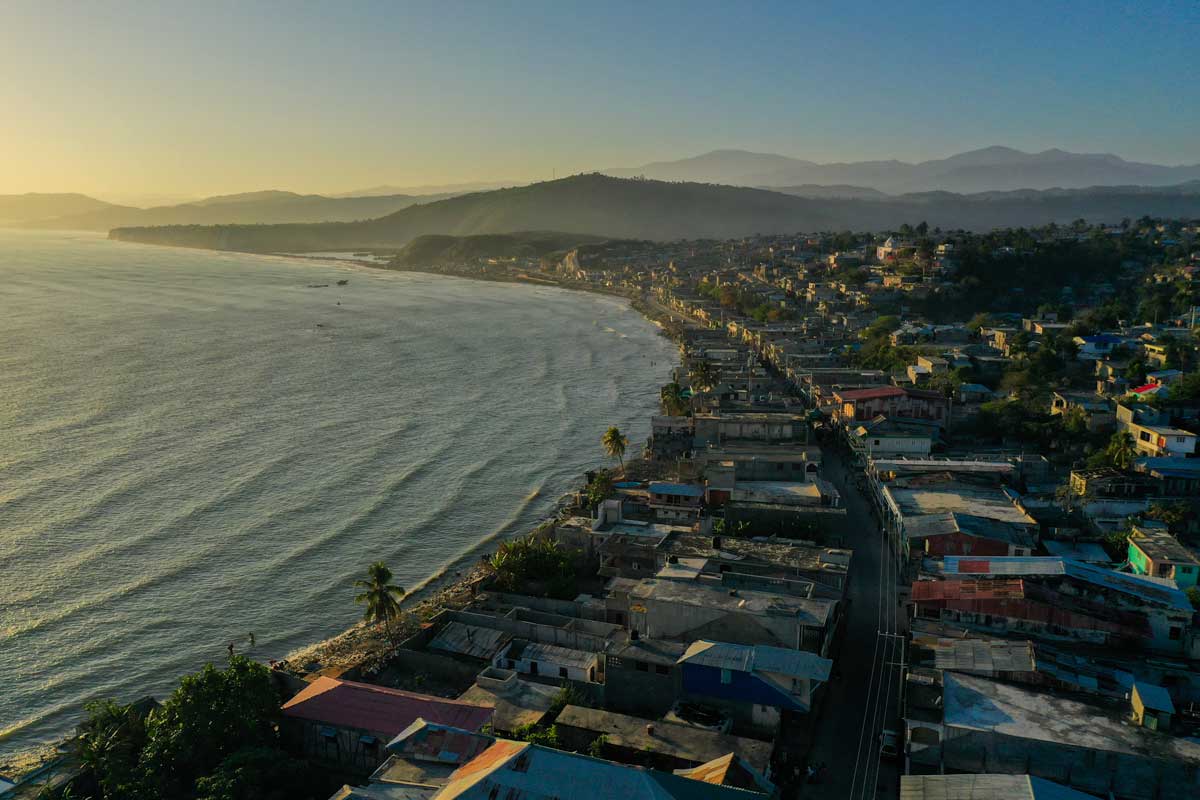
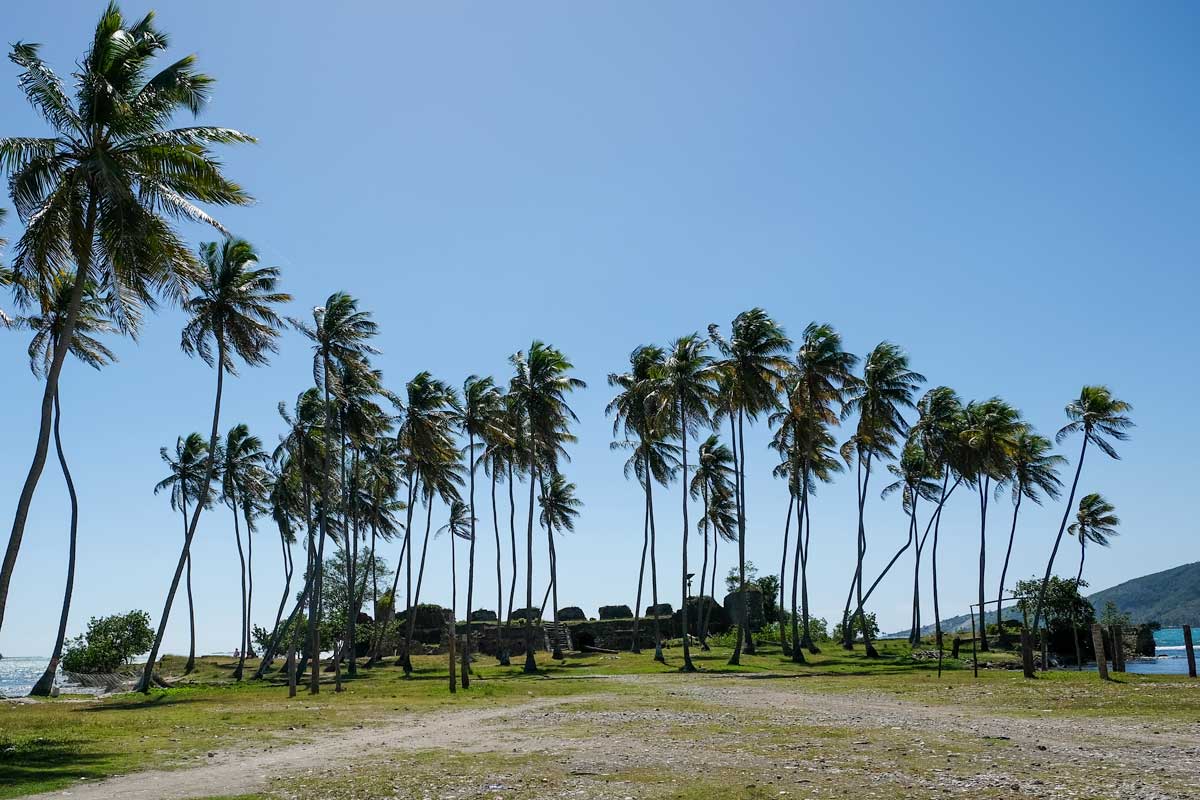
On a rocky peninsula just a short walk from Saint Louis du Sud, Fort des Oliviers dates back to the start of the eighteenth century.

A glimpse of the past

As you walk past cannons propped on stones, your mind will wander back to the time of double-breasted military uniforms and rifles. Staircases ascend and descend to the upper and interior levels of the fort – or the parts of it that have been preserved despite the elements. Wandering up the stairs, under archways and around the ancient artillery allows you to glimpse the experience of construction workers – both French and Haitian, who – more than three hundred years ago – put each of these stones into place.

Exploring the ruins of Fort des Oliviers, visitors can get a sense for the colonial era in which it was built. Three centuries have suffused the weathered walls of the fort with character. The stone has been softened and polished by the salt air and waves. Fort des Oliviers is as much a product of the coastal landscape as it is of those who built it.

If you are looking to deepen your understanding of Haiti’s colonial history, a visit to Fort des Oliviers is absolutely in order!
Fort des Oliviers
Photo: Franck Fontain

Steeped in history

Built in 1702, Fort des Oliviers was built by French occupiers to defend the Haitian territory against their colonial competitors – namely the British Empire. Unfortunately for the French, the British did indeed take over Fort des Oliviers about fifty years later, and established it as a pit-stop port for British ships to rest and refuel their crews.

Unlike Fort Ogé, Fort Jacques, or the iconic Citadelle Henri, which were built during Haiti’s revolutionary struggle for independence, Fort des Oliviers reflects an earlier chapter — one shaped by European rivalry, colonization, and imperial defense strategies along the southern coast.

The southern coastline of Haiti was hotly contested in the seventeenth and eighteenth centuries as a foothold from which to defend the country’s riches — a legacy that still shapes the southern region, home to coastal forts and a growing list of excursions and cultural activities in Les Cayes. Although modern Haiti is known for its pristine beaches, colonial-era Haiti made a name for itself in European cities through the high-quality goods brought back by traders returning from its shores. Fort des Oliviers was built just a few years after the French and Spanish divided up the island of Hispaniola into two separate countries – the Dominican Republic on the East and Haiti on the West.

The living heritage of relics like Fort des Oliviers make it impossible to separate the insistent natural beauty of the landscape from the history that has shaped modern Haiti as a living, breathing organism. This sense of identity and purpose is what drives the carnival attitude and lust for life that sets Haiti apart as one of the best places to visit in the Caribbean.

If you’re thirsty for more adventure, you’ll find another old fortress on an islet in the bay visible from Fort des Oliviers. This is Fort Saint-Louis, constructed at the same time as Fort des Oliviers. The islet is also home to an abandoned shipwreck famous among locals.

Fort Saint-Louis is accessible via a short boat ride from the coast.

Know Before You Go

Fort des Oliviers is completely free to visit — there are no fences, ticket booths, or entry fees. Though there’s no formal infrastructure, you won’t be on your own: local guides are usually available and will often approach you on-site. A tip of around 500 gourdes is a fair way to thank them for sharing the fort’s history and secrets.

Not sure how much that is in dollars, or what else to budget for? Read our guide to money and costs in Haiti.

The fort itself is weathered and crumbling, with restoration efforts halted since 2019. It’s generally safe to explore, but caution is advised near the edges, where the stonework has weakened over time.

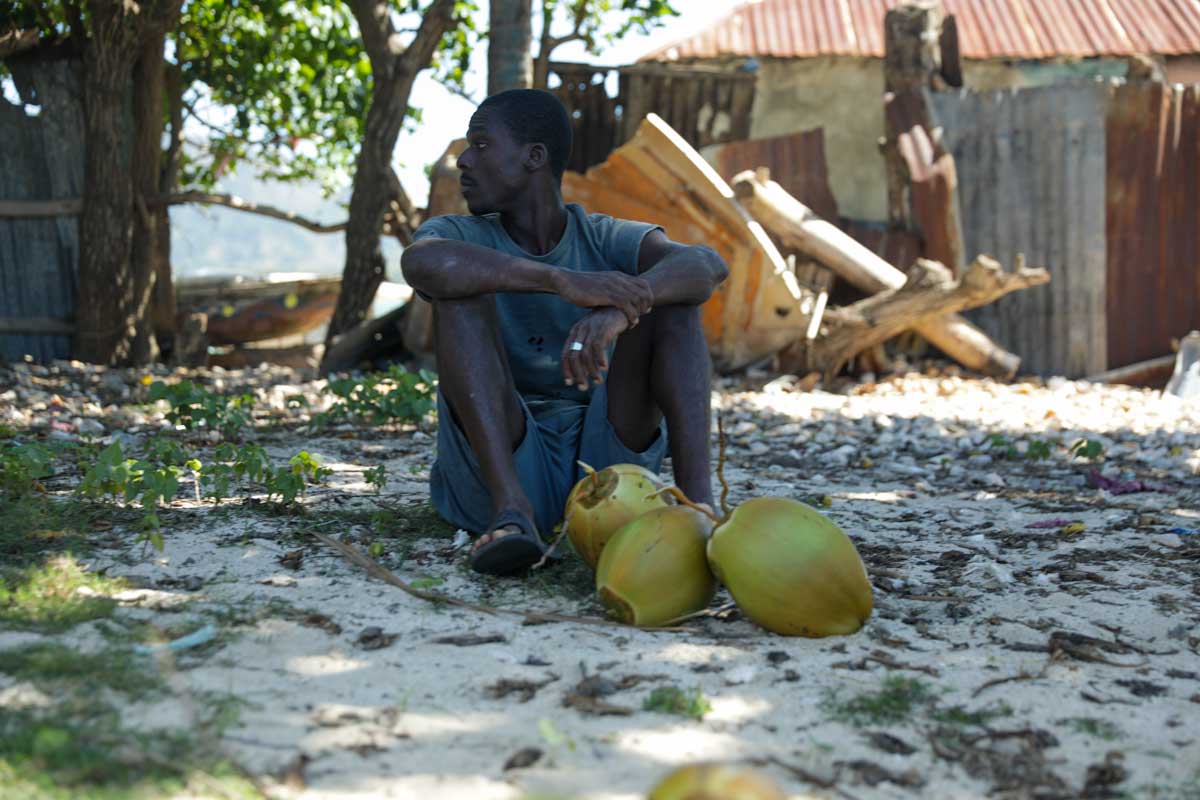
There are no restrooms or vendors in the immediate area, but you may come across a young local selling fresh coconuts from the surrounding palm trees — 250 gourdes is a fair price. Don’t count on it, though, so bring your own water, sunscreen, and proper walking shoes. There’s good cell signal in the area, and the site is quiet enough to enjoy a picnic or a moment of peace under the sun.
Coconuts vendor at Fort des Oliviers
Photo: Mikkel Ulriksen

Getting there

Fort des Oliviers is a short walk from the township of Saint-Louis-du-Sud. While you’re in town, make a stop at the highway-side market to sample some of the area’s famous street food. If you only try one thing, look for the lady selling Lam Veritab Fri (fried breadfruit). Though it resembles fried plantain, the texture is very different — soft, starchy, and delicious. A cousin of jackfruit, breadfruit is best served piled high with a generous helping of spicy pikliz.

From the western edge of town, you can walk along the shoreline and over the palm-shaded peninsula that leads to the fort. The upper level of the structure offers flat, open spaces — perfect for sitting down to enjoy a picnic or simply disconnecting from the rush of city life. Just a stone’s throw away, you’ll find a quiet beach where you can dip your toes in the Bay of Saint-Louis.

For travelers arriving from farther away, Les Cayes is a 40-minute drive, while Jacmel is about four hours by road. As you approach the coast, keep an eye out for the islet in the bay — home to Fort Saint-Louis and a legendary shipwreck. Fort des Oliviers sits just opposite, nestled into the curve of the bay, easily visible from the shoreline.


Written by Kelly Paulemon.

Published October 2018.
Updated March 2025.


Read story

Cap-Haïtien City Guide

The Notre Dame Cathedral in Cap-Haïtien
Photo: Verdy Verna

Cap-Haïtien City Guide: 350 Years of Stories, One Unforgettable City

Copy LinkEmailFacebookShare

Cap-Haïtien is a city that refuses to be rushed. The pastel-colored facades of its colonial-era mansions hint at a storied past, while moto taxis zip through streets where revolution once brewed. Nicknamed The Paris of the Antilles, it was once the wealthiest city in the Caribbean—its grand architecture and rich cultural scene a testament to that golden age.

But Okap isn’t just about history. Mornings here start with strong Haitian coffee on the boulevard, afternoons drift by on palm-fringed beaches, and evenings hum with the rhythm of live konpa music. Whether you’re tracing the footsteps of Haiti’s revolutionaries or diving fork-first into a plate of grilled lambi, this city doesn’t just welcome visitors—it pulls them in.

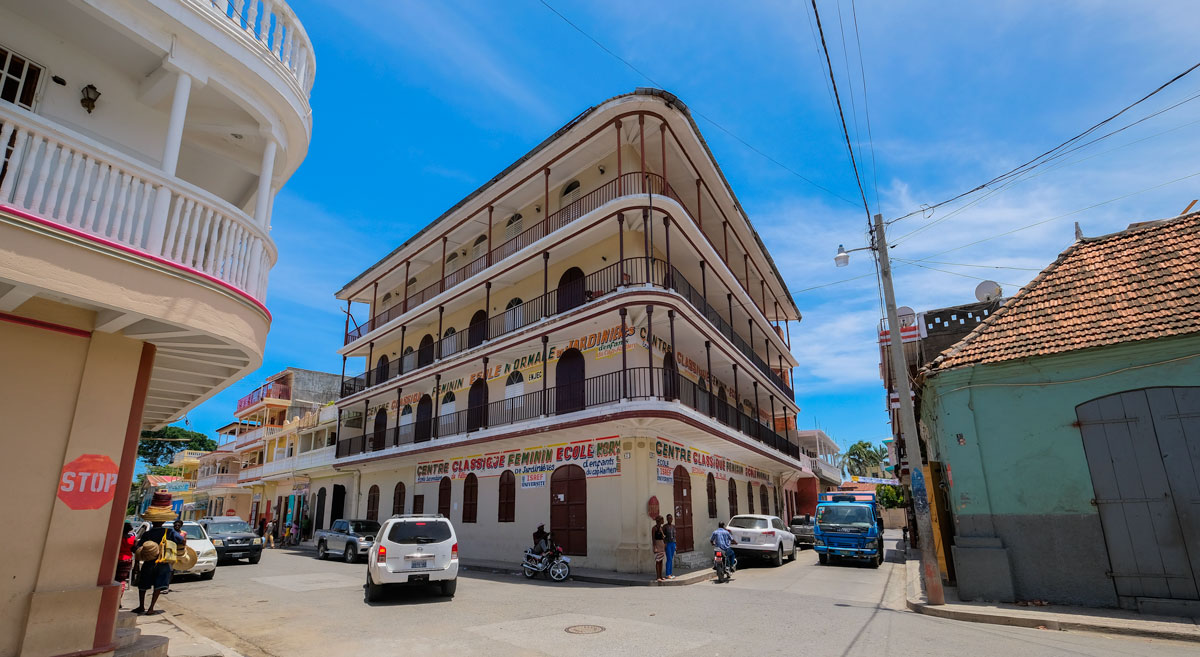
city street with traffic and old colonial buildings
Old gingerbread house in Cap-Haïtien
Photo: Franck Fontain

What to See and Do in Cap-Haïtien

Cap-Haïtien is a city best explored at street level. Colonial-era buildings with pastel facades line the streets, moto taxis weave between street vendors, and the scent of sizzling griot drifts from neighborhood eateries. Whether you’re drawn to history, bustling markets, or just soaking in the city’s energy, there’s plenty to take in.

Boulevard du Cap-Haïtien (Boulva Okap)
Start with a leisurely stroll down Boulevard du Cap, or Boulva Okap as locals call it. This waterfront stretch is the city’s beating heart, lined with cafés, restaurants, and bars where Cap-Haïtien comes alive—especially on Sundays, when locals gather to eat, drink, and unwind by the sea.

Want an insider’s perspective? We spoke to Za, a local guide, who shares her go-to spots for food, culture, and nightlife.

Notre Dame Cathedral
Anchoring Place d’Armes, Cap-Haïtien’s main square, this elegant cathedral is a city icon. First built in the 1600s and later reconstructed in the 20th century, its crisp white facade stands as a backdrop to daily life—street vendors, musicians, and people passing through.

Héros de Vertières
History isn’t just something you read about in Cap-Haïtien—it’s something you stand in. Héros de Vertières is an open-air monument commemorating the 1803 Battle of Vertières, the final fight for Haiti’s independence. A short drive from downtown, this stirring tribute to Jean-Jacques Dessalines and his troops is a must-visit—especially for those tracing their Haitian roots.

Marché Cluny (The Iron Market)
A riot of color, noise, and scent, Marché Cluny—often called Cap-Haïtien’s Iron Market—has been a bustling hub since 1890. Its cast-iron architecture mirrors the iconic Marché en Fer in Port-au-Prince, and inside, you’ll find everything from fresh produce to handcrafted vodou ritual objects. If you’re on the hunt for souvenirs with real character, this is the spot.

Boukanye Restaurant in Cap-Haïtien
Photo: Franck Fontain

Where to Eat & Drink in Cap-Haïtien

Cap-Haïtien’s food scene is a celebration of bold flavors and fresh ingredients, with seafood taking center stage. Fried fish, regional cashew-based specialties, and rich, slow-cooked stews fill menus across the city, offering plenty of local flavors to discover.

Here are a few standout spots:

Cap Deli
A go-to for generous portions and creative takes on local flavors, Cap Deli serves up some of the city’s most satisfying comfort food. Try the Meat Overloaded Fries, seafood pizza, or griot pizza, but if you’re looking for something truly special, go for the Bouillon Pêcheur—a rich seafood and vegetable soup packed with flavor.

Boukanye
With its breezy, relaxed vibe, Boukanye is a go-to for hearty Haitian classics. Their poisson gros sel—slow-cooked whole fish in a fragrant broth—is a must-try, especially when paired with diri djon djon, a local specialty made with black mushrooms.

Street food & kleren vendors
Some of the best flavors in Cap-Haïtien are found right on the street. Look out for vendors selling fritay (fried street snacks), crispy pâté (Haitian hand pies), and homemade kleren, Haiti’s artisanal sugarcane spirit. Street vendors often serve cups infused with ingredients like ginger, cinnamon, or medicinal roots that locals swear by. It’s strong—but if you want a real taste of Haiti, this is it.

Want more food recommendations? Check out our full list of Cap-Haïtien’s best restaurants and don’t miss our guide to Haitian street food for a deep dive into the country’s most irresistible bites.

Belly Beach near Cap-Haïtien
Photo: Jean Oscar Augustin

Best Beaches for Swimming, Snorkeling, and Sunbathing

History may have put Cap-Haïtien on the map, but its beaches keep people coming back. Whether you’re after a quiet stretch of sand, a tropical island escape, or just a good spot to sip an ice-cold Prestige, here’s where to go:

Cormier Plage
Just 20 minutes from downtown, this low-key beach is the kind of place where time slows down. Lounge under the palms, take a dip in the calm waters, and order a fresh seafood lunch without ever leaving your chair.

Île-à-Rat (Amiga Island)
If your idea of paradise is turquoise water, soft white sand, and zero crowds, hop on a boat to Île-à-Rat. This tiny offshore island is a local favorite, perfect for snorkeling, swimming, or just kicking back with a plate of grilled lobster. Make sure you take some bottles of Haitian rum with you for the trip!

Looking for more sun-drenched escapes? Check out our full guide to the best beaches near Cap-Haïtien.

Where to Stay

Cap-Haïtien has stays for every kind of traveler, whether you want ocean views, mountain breezes, or a private island escape. Here are three standout options:

Habitation des Lauriers
Perched above the city, Habitation des Lauriers offers unbeatable panoramic views and a peaceful retreat from the bustle below. The steep road up is no joke, but once you’re there, you’ll be surrounded by cool mountain air and lush greenery. Rooms range from budget-friendly basics to more comfortable options with AC and hot showers. The real highlight? Sunsets from the terrace.

Ekolojik Resort
For a nature-meets-comfort experience, Ekolojik Resort is tucked into the hills outside the city, offering a peaceful escape with views of Cap-Haïtien and the bay. The property is surrounded by fruit trees and lush greenery, and they focus on locally sourced, organic food. If you love waking up to fresh air and birdsong, this is your spot.

Chez Max
Only accessible by boat, Chez Max is a boutique B&B in a private cove, surrounded by tropical forest and turquoise water. The separate bungalows and villa offer a secluded, laid-back atmosphere with kayaks, paddleboards, and a private beach at your doorstep. Add in a delicious, homemade breakfast and it’s the ultimate off-the-grid hideaway.

Want more options? Check out our full guide on where to wake up in Cap-Haïtien.

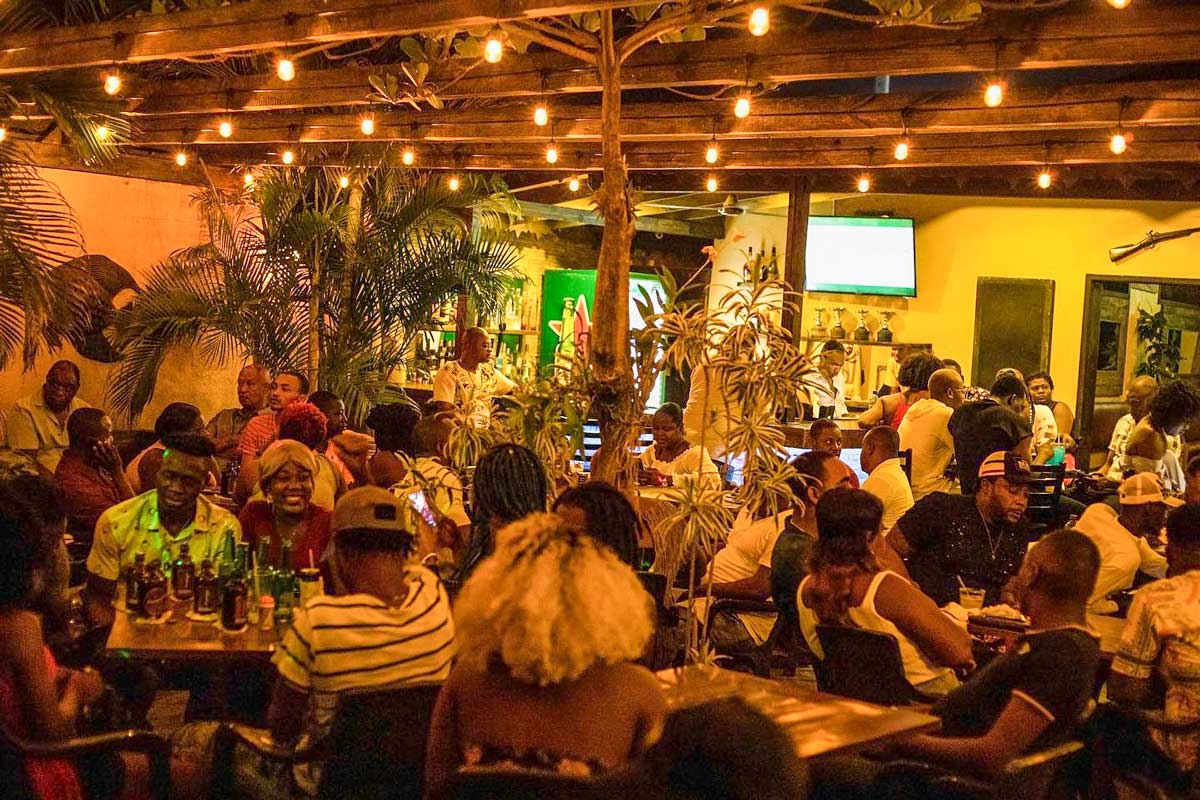
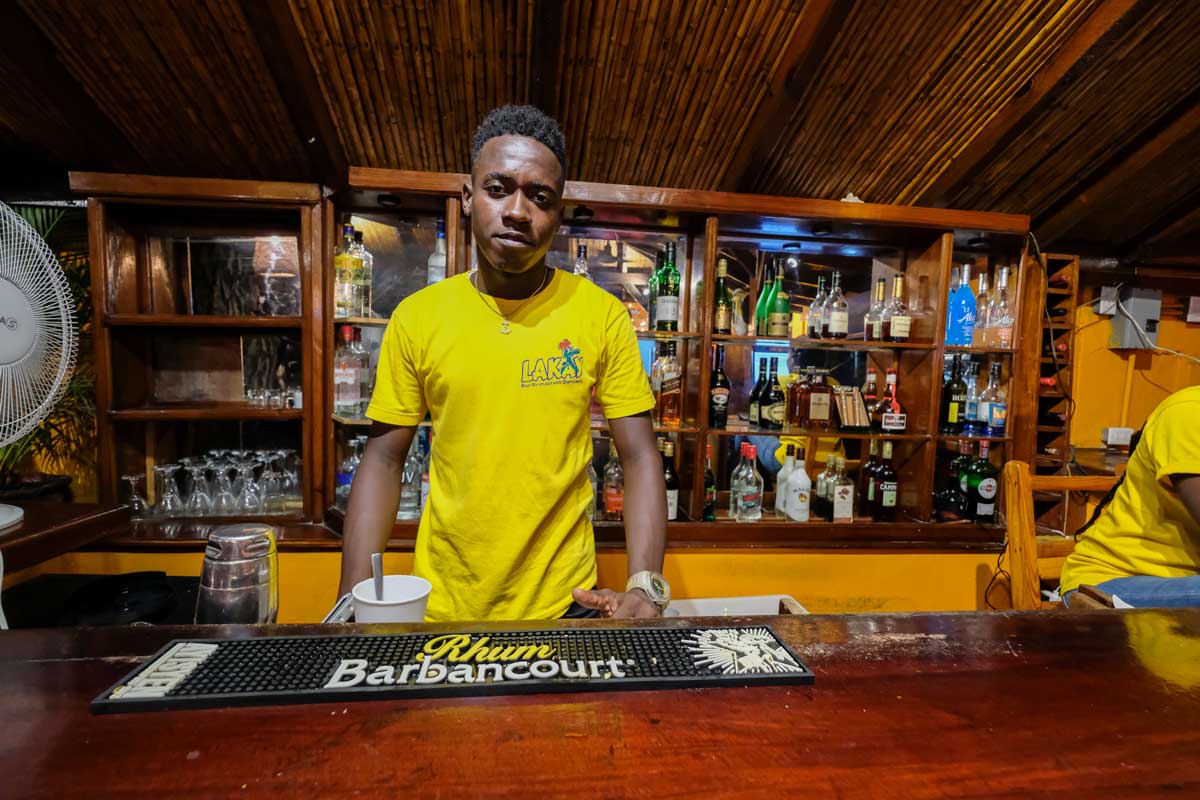
Bartenden at Lakay in Cap-Haïtien
Photo: Franck Fontain

Nightlife & Live Music in Cap-Haïtien

As the day winds down, Cap-Haïtien doesn’t sleep—it just changes tempo. Locals spill onto terraces, kompa beats hum in the background, and the scent of grilled seafood lingers in the air. From breezy rooftops to beachside bars, here’s where to settle in for a drink and good company.

Lakay
A waterfront favorite for over 25 years, Lakay is as much about good vibes as great drinks. Expect a lively crowd, especially on Sunday nights, and don’t miss Salsa Thursdays, where you can pick up a few moves while sipping on a classic rum sour.

Les 3 Rois
Perched on the coastal road to Labadee, this hotel bar offers a peaceful atmosphere, a sea breeze, and dangerously good cocktails. The cassava accras (manioc fritters) are a mu5st, best paired with a fresh mojito while you watch the waves roll in.

Les Alizés
A stylish rooftop bar with modern architecture and panoramic views over the city. Come at sunset on weekends for an after-work crowd, DJ sets, and an unbeatable view of the Notre Dame Cathedral glowing in the evening light.

Citadelle Henri near Cap-Haïtien
Photo: Jean Oscar Augustin

Awesome Day-Trips

Most visitors to Cap-Haïtien make a beeline for Sans-Souci Palace and the Citadelle Henri, the city’s UNESCO-listed crown jewels. And while these historic landmarks are a must, venture a little further, and you’ll find places that feel worlds away—where citrus groves perfume the air, ancient carvings tell forgotten stories, and emerald pools shimmer in the hills. Here are three day trips that take you beyond the usual sights.

Wander Through the Orange Groves of Grand Marnier
Just outside Limonade, rolling fields of bitter orange trees stretch as far as the eye can see. The citrus grown here plays a key role in world-famous liqueurs like Grand Marnier and Cointreau. While official tours aren’t a thing, locals might just invite you to see the groves up close and share a taste of Haiti’s citrus-scented heritage.

Find Ancient Taíno Petroglyphs in Sainte-Suzanne
Hidden in the hills near Foulon, these centuries-old rock carvings whisper the stories of Haiti’s first inhabitants, the Taíno. The petroglyphs are etched into massive boulders, their meaning still a mystery, but their presence a powerful reminder of the island’s deep Indigenous roots. A local guide can help you find them—and share the legends tied to these ancient markings.

Cool Off in the Emerald Waters of Bassin Waka
Near Port-Margot, Bassin Waka is a freshwater oasis surrounded by lush greenery, where locals come to swim, unwind, and soak in the natural beauty. The water is impossibly clear, the fish dart between your feet, and the calm atmosphere makes it feel like a hidden retreat.

Looking for more ways to explore? Check out our guide to the coolest things to do in and around Cap-Haïtien.

Getting There & Getting Around

Getting to Cap-Haïtien is easier than you might think. Direct flights from Miami and Fort Lauderdale take just two hours, making it a quick escape to Haiti’s northern coast.

Once you’re here, getting around is part of the adventure. Moto taxis are the fastest way to navigate the city’s lively streets, while tap-taps—Haiti’s colorful shared taxis—offer a budget-friendly way to move between neighborhoods. Private taxis are also available, but don’t expect Uber or Lyft—ride-hailing apps don’t operate in Haiti.

Thinking about renting a car? It’s possible, but unless you’re highly experienced with Haitian roads, we strongly recommend hiring a local driver. For a different kind of transport, boat taxis can take you to nearby beaches and islands along the coast.

For more information, see our guides to getting to Haiti and public transportion within Haiti.


Written by the Visit Haiti team.

Published December 2019.
Updated March 2025.


Read story
cosmogram being traces on floor with hand holding a candle

Think You Know Haiti? These Six Cities Say Otherwise

City of Baradères
Photo: Anton Lau

Think You Know Haiti? These Six Cities Say Otherwise

Copy LinkEmailFacebookShare

Most people only know Haiti by name—usually tied to its capital. Even those who visit often barely scratch the surface. They fly into Cap-Haïtien, hit the beaches, and leave thinking they’ve seen it all. But Haiti is so much more than its gateways.

Step beyond the usual stops, and you’ll find cities where history wasn’t just made—it’s still alive in the streets. Places where independence was declared, where Vodou rhythms beat through the night, where poets and novelists shaped a literary legacy, and where the air carries the scent of vetiver fields and sea salt.

From highland towns to coastal hideaways, these six Haitian cities invite you to go deeper—because to really understand Haiti, you have to explore it beyond the obvious.

Pestel
Photo: Mikkel Ulriksen

1. Pestel

If you’re the kind of traveler who dreams of off-the-grid escapes, Pestel is calling your name. Tucked away in the Grand’Anse region, this lush, untamed corner of Haiti is equal parts mountain retreat and coastal hideaway.

The town’s rust-red soil fuels a landscape of rolling hills, dense forests, and tropical fruit orchards, while just below, the Caribbean laps at the shore—a stunning contrast you won’t find just anywhere. It’s the kind of place where time slows down, perfect for long walks, boat rides, and evenings spent under a sky full of stars.

Looking for the best view in town? Hike up to Fort Réfléchi, an old fortress perched high above the coast. From here, you’ll get a breathtaking panorama of the Baradères Peninsula—the kind of view that makes you forget about Wi-Fi and city noise.
For an even wilder adventure, take a 20-minute boat ride to Petit Caymite, a tiny island just off the coast. Here, you’ll find Anse Blanche, one of Haiti’s most stunning yet lesser-known beaches. Powdery white sand, turquoise water, and zero crowds—this is the kind of place you’ll wish you could keep secret.

Insider tip: Pack sturdy shoes! Pestel’s best spots—whether up in the hills or down by the water—are best explored on foot.

Cathédrale Du Souvenir in Gonaïves
Photo: Jean Oscar Augustin

2. Gonaïves

Few cities can claim a title as grand as Gonaïves, Haiti’s Cité de l’Indépendance (City of Independence). It was here, on January 1, 1804, that Jean-Jacques Dessalines stood before the Haitian people and declared the nation’s independence, making Haiti the first free Black republic in the world.

You can still feel history in the air as you wander Place d’Armes, where statues of Haiti’s independence heroes stand tall. If you visit on New Year’s Day, expect parades, music, and steaming bowls of soup joumou—Haiti’s national dish, served in celebration of the country’s hard-won freedom.

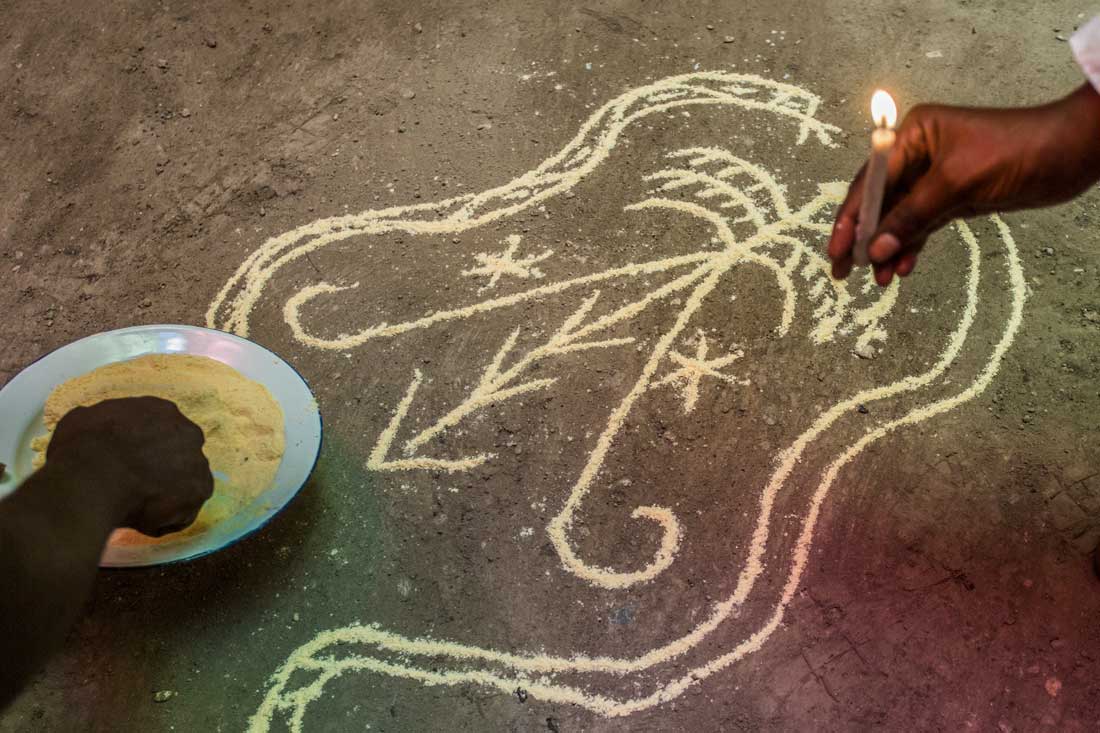
But Gonaïves isn’t just about history—it’s also one of the best places to experience Haiti’s Vodou culture. The city is home to many lakou, traditional Vodou spiritual communities where drumming, rituals, and storytelling are woven into daily life. Two of the most famous, Lakou Souvenance and Lakou Soukri Danache, draw visitors and worshippers alike for their annual festivals, Vodou ceremonies and deep spiritual significance. If you’re curious, ask a local guide to arrange a visit—it’s an experience you won’t forget.

Insider tip: Stop by the Centre PEN Haïti, a cultural hub in Gonaïves that regularly hosts book signings, poetry readings, and literary events featuring some of Haiti’s most celebrated writers.

Grotte Marie Jeanne in Port-à-Piment
Photo: CavesOfHaiti.org

3. Port-à-Piment

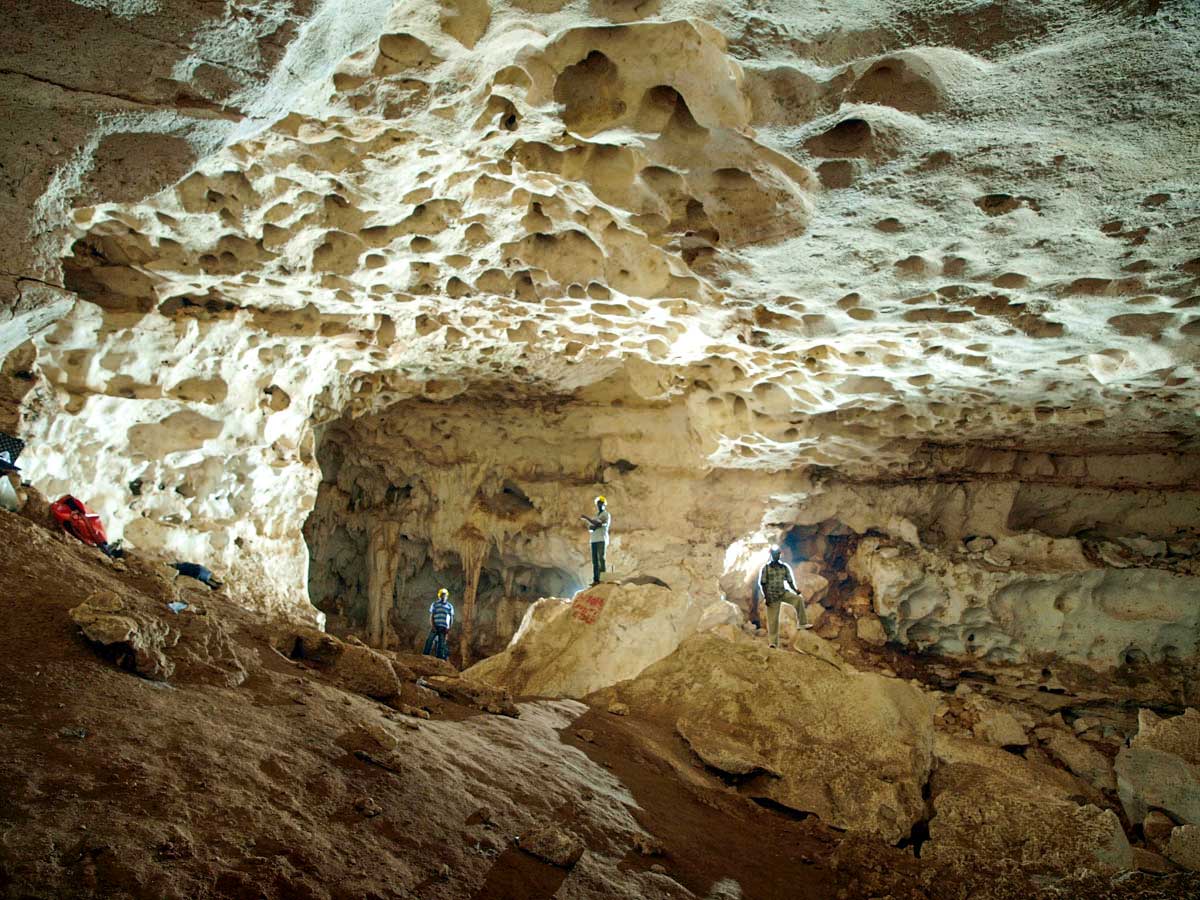
Tucked along Haiti’s southwestern coast, Port-à-Piment is a town that offers far more than just sun and sand. Sure, the beaches here are stunning—think powdery white sand, turquoise waters, and a slow, easy pace—but if you’re the adventurous type, there’s something even more exciting waiting inland.

Welcome to Grotte Marie-Jeanne, the longest cave system in the Caribbean. This multi-level labyrinth of chambers and tunnels stretches nearly 4 kilometers underground, revealing stalactites, stalagmites, and ancient rock formations that feel straight out of an Indiana Jones movie. It’s one of Haiti’s most breathtaking natural wonders, and we even featured it in our roundup of the most beautiful destinations in Haiti. An essential stop for history buffs, thrill-seekers, and curious travelers

Back on the surface, the town is a classic Haitian fishing village, where life moves to the rhythm of the sea. Lobster, conch, and freshly caught fish are the stars of local cuisine, best enjoyed with a side of coconut water straight from the shell.

Insider tip: After exploring Port-à-Piment, make your way to Port-Salut, home to one of Haiti’s most spectacular beaches and a must-visit for sun-seekers.

City of Jacmel
Photo: Anton Lau

4. Jacmel

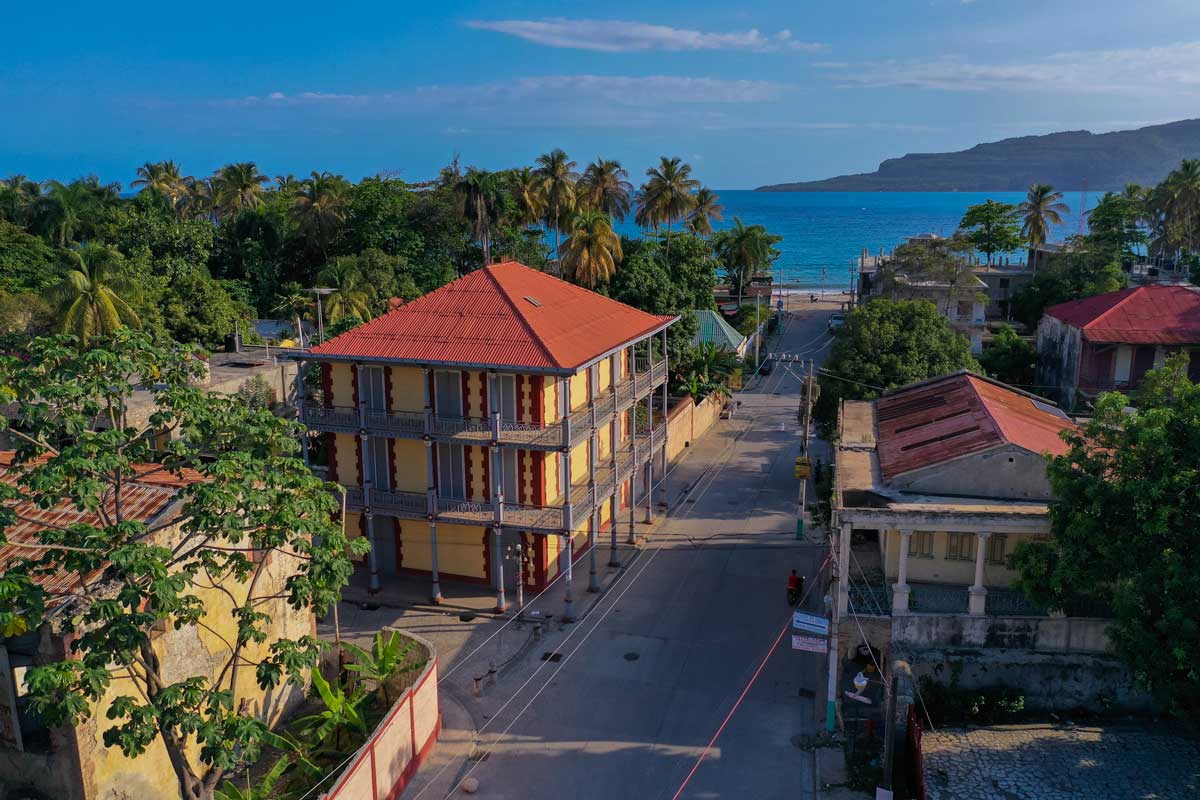
If there’s one Haitian city that effortlessly blends history, artistry, and coastal beauty, it’s Jacmel. Known as the cultural capital of Haiti, this charming seaside town is a haven for artists, musicians, and free spirits—and it’s impossible to visit without being swept up in its creative energy.

Strolling through Jacmel’s historic downtown, you’ll find gorgeous 19th-century mansions with ornate wrought-iron balconies, a legacy of the city’s once-booming coffee trade. But the real magic is in the details: murals, mosaics, and colorful street art that turn the entire town into an open-air gallery.

Jacmel is also home to Haiti’s most famous carnival, a spectacle of elaborate papier-mâché masks, hypnotic drumbeats, and vibrant dancing. If you’re lucky enough to visit during the festivities, prepare for a celebration like no other.

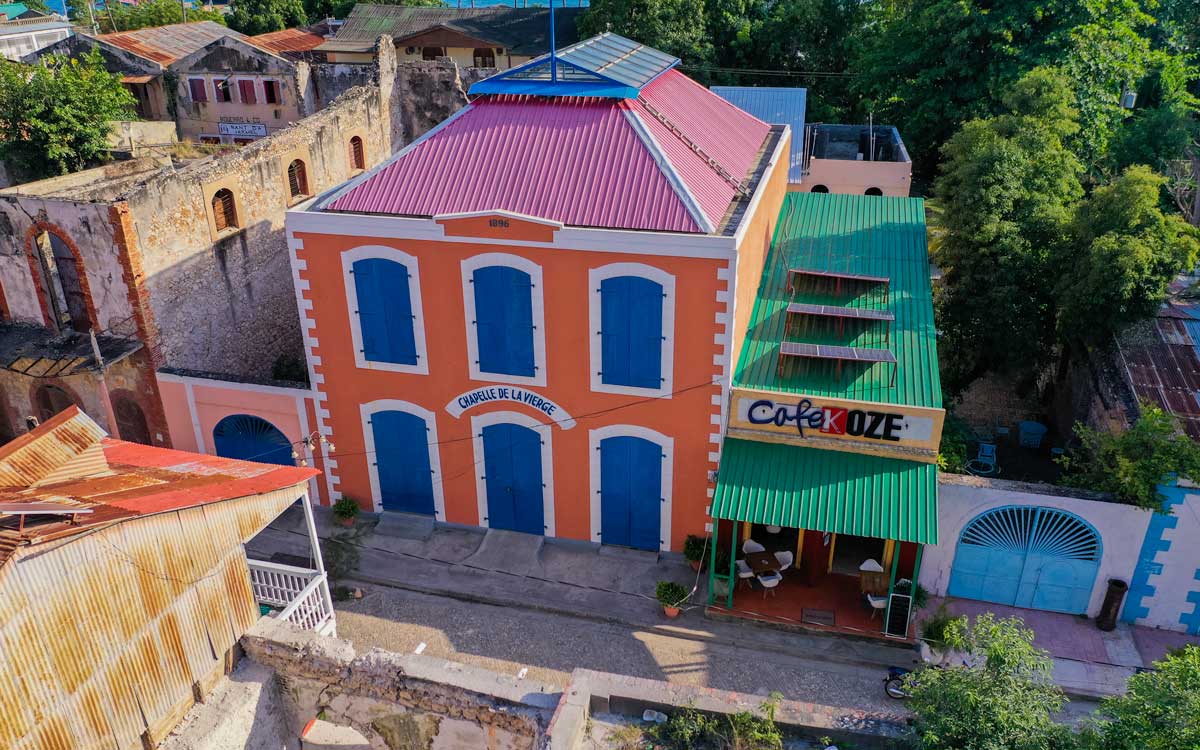
Need a break? Stop by Café Koze, a cozy little spot on Rue du Commerce for a light lunch, iced coffee, or a glass of fresh juice. Grab a seat outside, watch the world go by, and soak in the rhythm of daily life in Jacmel.

Then, wander through the city’s quiet side streets, past sun-faded facades and hidden courtyards, where every turn feels like stepping into another era.

Insider tip: Want to bring a piece of Jacmel home with you? Stop by one of the city’s many artisan workshops to pick up a handmade papier-mâché mask—a true piece of Haitian culture.

Traffic in Les Cayes
Photo: Dyerlin Delva

5. Les cayes

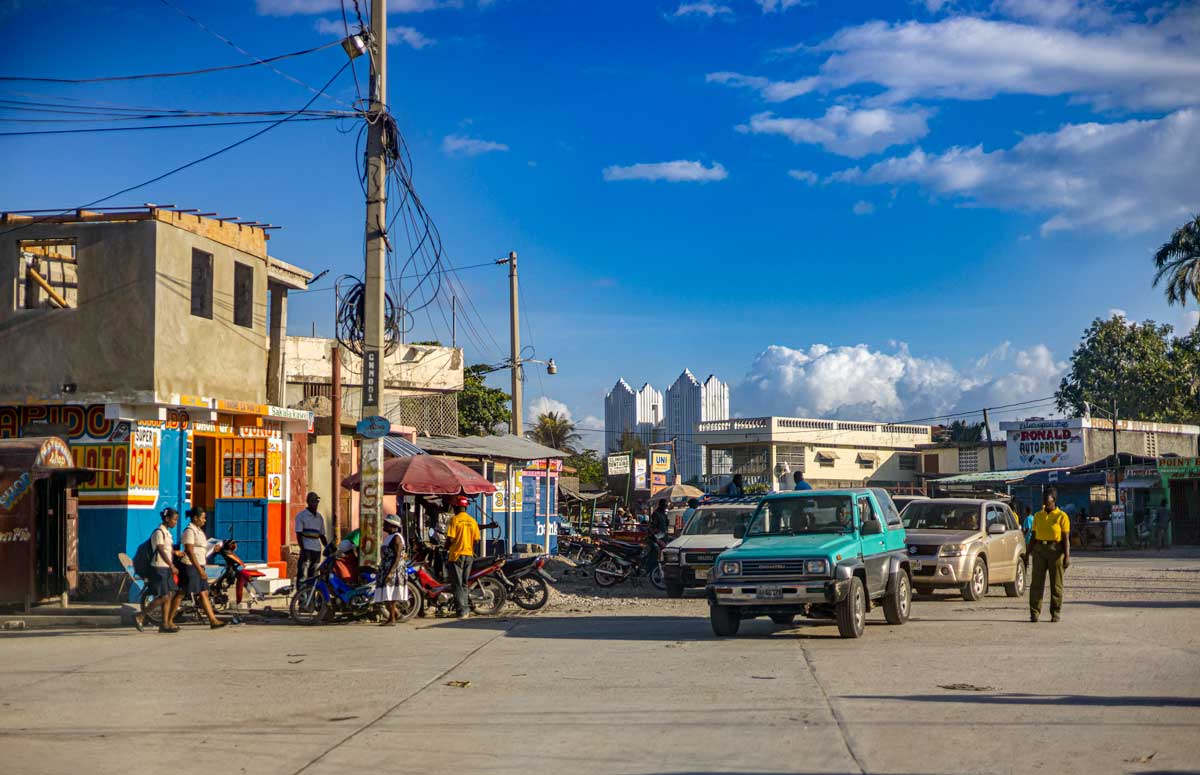
With its laid-back coastal vibe and strong maritime culture, Les Cayes is one of Haiti’s most charming port cities. This southern gem is famous for Gelée Beach, where locals and visitors alike gather to enjoy soft golden sands, fresh seafood, and the rhythmic beats of konpa music drifting from seaside restaurants. Order a plate of grilled lobster or fried fish, sip on an ice-cold bottle of Prestige or a glass of fiery kleren, and let the ocean breeze do the rest.

But Les Cayes isn’t just about lazy beach days—it’s also a gateway to some of Haiti’s most stunning natural wonders. A short drive from the city takes you to Saut-Mathurine, the largest waterfall in southern Haiti. Hidden in the lush hills of Camp-Perrin, its cool turquoise waters make it an irresistible spot for a refreshing swim after a day of exploring.

One of the things that makes Les Cayes truly unique? Its scent. The region is Haiti’s hub for vetiver production, a fragrant grass used in some of the world’s most luxurious perfumes. The city is home to massive distilleries that extract this highly sought-after essential oil, and you’ll see huge trucks piled high with freshly harvested vetiver rolling through town. The result? An earthy, intoxicating aroma that lingers in the air—an unmistakable signature of Les Cayes.

If you’re up for an adventure, take a boat from Les Cayes to Île-à-Vache, a breathtaking island just off the coast, where hidden coves and pristine beaches create a paradise for off-the-grid travelers.

Insider tip: If you visit in August, don’t miss the Festival de Gelée, a massive celebration of food, music, and Haitian culture that transforms the beach into a buzzing party scene.

Coast of Jérémie
Photo: Anton Lau

6. Jérémie 

Jérémie has long been called the “Cité des Poètes” (City of Poets)—and for good reason. This charming coastal town is the birthplace of Etzer Vilaire and Émile Roumer, two of Haiti’s most celebrated writers. It’s also where General Thomas-Alexandre Dumas, father of French writer Alexandre Dumas, père, was born—tying this quiet Haitian town to the literary legacy of The Three Musketeers. (Want more surprising facts about Haiti? We cover this and more in our Fun Facts About Haiti article!)

Jérémie greets visitors with the Grande-Anse River, which runs beneath Pont de Jérémie, the city’s entrance. Beyond the bridge, you’ll find Haiti’s breadbasket—lush farmland bursting with plantains, yams, sweet potatoes, and breadfruit.

This deep connection to the land extends to its food. Locals swear by tomtom, a sticky breadfruit purée best paired with okra sauce, and konparet, a spiced, slightly sweet bread you’ll find in bakeries all over town—perfect for a quick snack on the go.

For those looking to explore, Anse d’Azur offers soft sand and clear waters far from the crowds, while the surrounding hills are a paradise for hikers and birdwatchers. (Spotting a rare species? Check out our guide to Haitian birds to see what you found!)

Jérémie was once one of Haiti’s most remote cities, its rough roads keeping it cut off from the rest of the country. Today, it’s easier to reach—but still holds onto the slower rhythms, creative energy, and natural beauty that make it feel like a world of its own.

Insider tip: In the afternoon, head to the docks to watch the wooden sailboats glide in and out—a tradition that has connected Jérémie to the rest of Haiti for generations.


Written by Melissa Beralus.

Published March 20205.


Read story
old colonial houses on city street in jacmel

Explore the Waterfall and Grottoes of Bassin Zim

People swimming beneath a waterfall in Bassin Zim, Haiti
Bassin Zim
Photo: Anton Lau

Explore the Waterfall and Glittering Grottoes of Bassin Zim

Copy LinkEmailFacebookShare

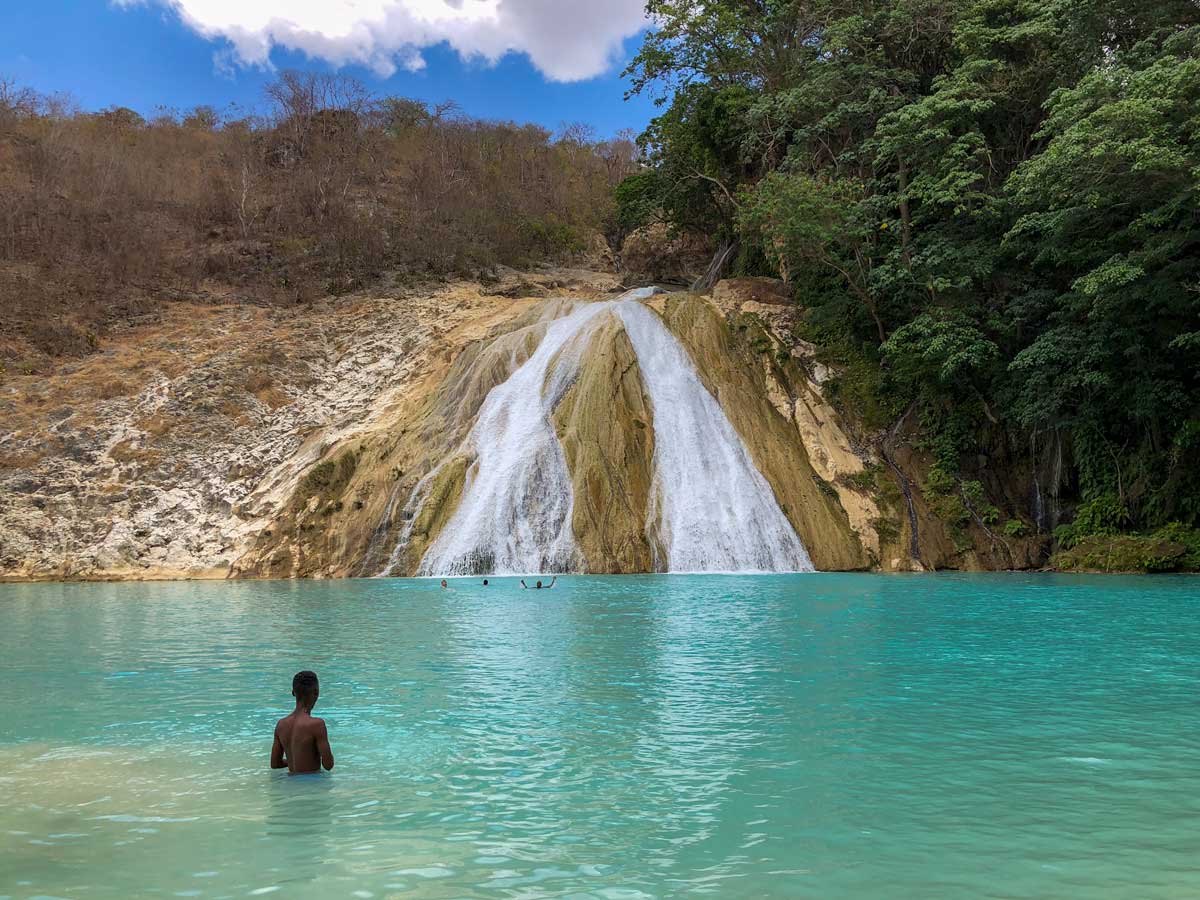
Bassin Zim, located just north of Hinche, is a spectacular natural landmark featuring a cascading waterfall, a chain of turquoise-hued pools, and a network of glittering underground grottoes. While legends whisper of buried treasure, the true riches of Bassin Zim are in plain sight.

The magnificent waterfall at the heart of Bassin Zim doesn’t drop straight down, but instead fans out over the mountainside, forming a wide, veil-like cascade that flows into the basins below. It’s one of the most breathtaking sights in Haiti.

Swimming at Bassin Zim
Photo: Anton Lau

A narrow path winds from the basins up to the top of the waterfall. Those who find their way may be lucky enough to watch local divers leaping into the pools below—a daring feat requiring skill and experience. We don’t recommend travelers try it, though—the jump is far more dangerous than it looks, and there are plenty of other adventures to be had at Bassin Zim without taking unnecessary risks.

For many, Bassin Zim carries deep spiritual significance. Some believe that “pure souls” journey here after death to receive their blessings. Others say that the Taíno Amerindians, the island’s first inhabitants, hid great treasures within the basins and caves.

Buried Treasure

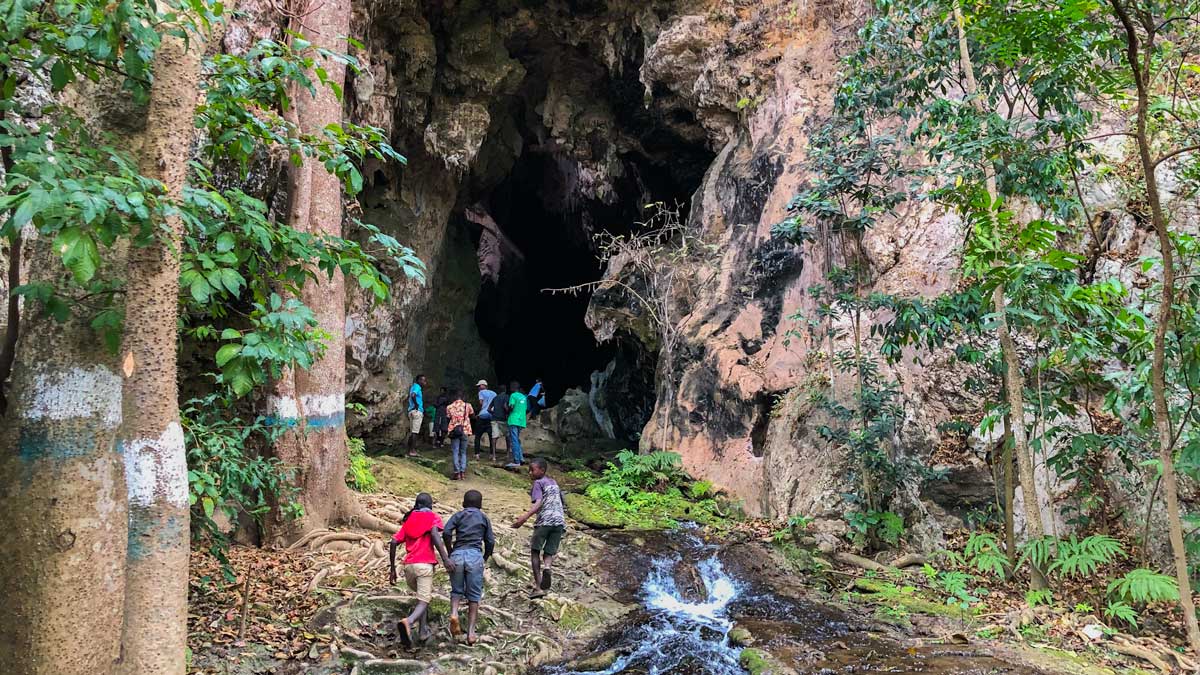
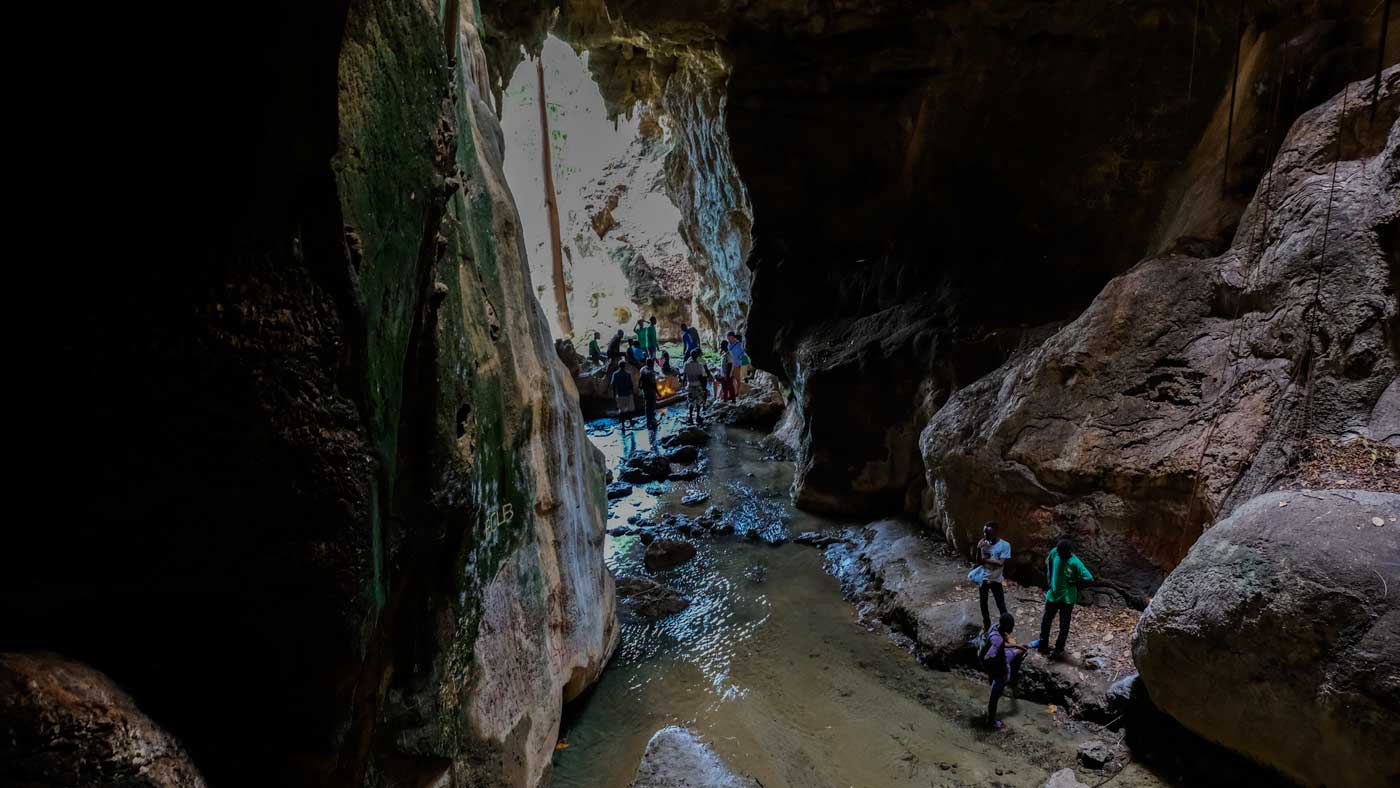
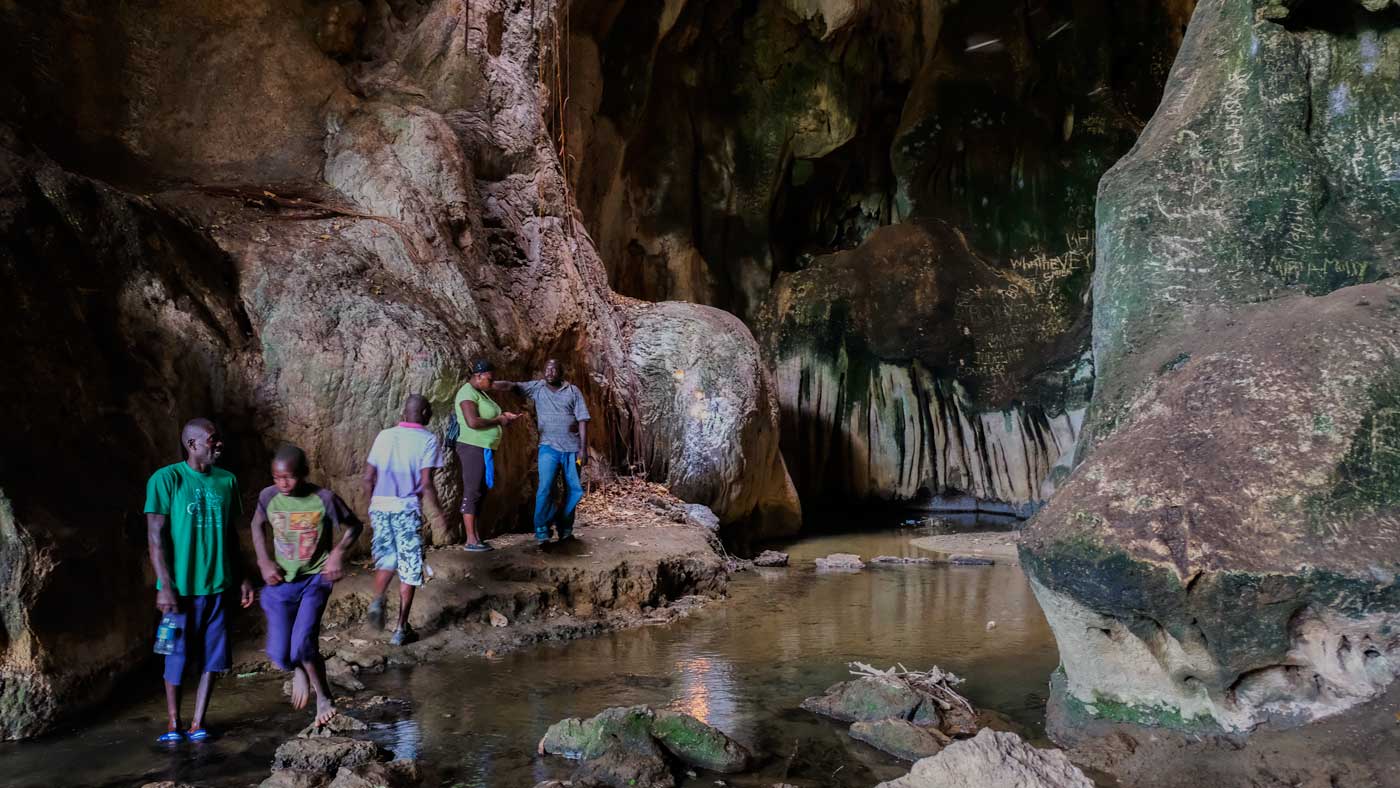
Hidden beneath Bassin Zim is a network of high-ceilinged grottos that are just as magical as the waterfall above. Inside, ankle-deep water flows over smooth rocks and ancient stalagmites, while the walls, painted vivid green with moss, glisten in the shifting light. Stalactites hang like chandeliers, and otherworldly rock formations emerge from the cavern floors, shaped over centuries by water and time. For photographers, this setting offers some of the most dramatic and unforgettable shots in Haiti.

The caves at Bassin Zim hold more than just natural beauty—they are also home to ancient Taíno petroglyphs, carvings left behind by the island’s earliest inhabitants. These symbols, etched into the stone, offer a rare glimpse into Haiti’s pre-Columbian past, making the grottoes a site of both natural and cultural significance.

The legends don’t stop there. Some believe that Charlemagne Péralte, the revered leader of Haiti’s anti-occupation resistance, once took refuge in these very caves, using them as a hidden stronghold. While the truth remains unknown, the sense of mystery only adds to Bassin Zim’s allure.

Of course, not everything in these caves is ancient treasure—some grottos have less welcome surprises. While you’re unlikely to stumble upon pirates or gold, there’s a real chance of encountering wasps nesting in the rock formations. A local guide will know which areas to avoid.

Want a closer look at Bassin Zim’s breathtaking waterfalls and hidden grottos? Watch this video for a stunning glimpse into the landscape.

Getting to Bassin Zim

Bassin Zim is located about 35 minutes from Hinche, deep in Haiti’s rural countryside. The road leading to the waterfall is increasingly degraded due to lack of maintenance, so a 4×4 vehicle is highly recommended. If you’re traveling without a car, taking a moto taxi is the easiest option from Hinche.

If you’re coming from Cap-Haïtien, expect a 3-hour drive to Hinche before making your way to Bassin Zim. While the journey is long, it’s worth it for the chance to experience one of Haiti’s most stunning waterfalls year-round.

There are only a few food vendors and no restaurants nearby, so it’s best to bring your own snacks, water, and essentials for the trip. You might find someone selling coconuts, but options are very limited.

Entrance Fees

  • Locals: 50 HTG
  • Tourists: 250 HTG

Hiring a Guide
While Bassin Zim is open to all visitors, navigating the terrain can be tricky—especially if you plan on swimming. A local guide is highly recommended for safety and to get the best experience.

  • Guide fees range from 500-1000 HTG—be sure to negotiate before starting and have the correct bills.
  • If you don’t pick a guide yourself, multiple guides may follow you expecting payment. Choose one and politely insist the others leave.
  • If swimming, let your guide assist you—they know the safest entry and exit points.

Best Time to Visit
Unlike some waterfalls in Haiti that lose their beauty in the dry season, Bassin Zim remains stunning year-round. Even after rainfall, the water stays clear, unlike Bassin Bleu, which can become murky.


Written by Kelly Paulemon.

Published July 2018.
Updated March 2025.


Read story

Escape to Île-à-Vache and Discover True Paradise

Aerial view of Île-à-Vache
Photo: Anton Lau

Escape to Île-à-Vache and Discover True Paradise

Copy LinkEmailFacebookShare

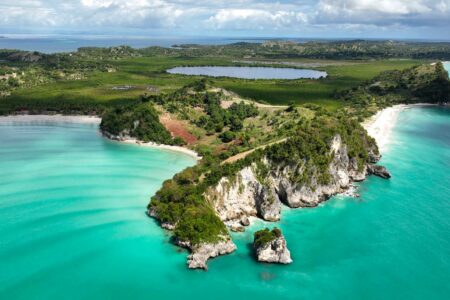
Drift away from the noise of the world and into a place where life moves with the tides, the air smells of salt and sun-warmed coconut, and the only footprints on the sand might be your own. Just off Haiti’s southern coast, Île-à-Vache is a world apart—a Caribbean escape untouched by mass tourism, where secluded beaches, quiet fishing villages, and lush green hills create a picture-perfect retreat.

Whether you’re looking to spend your days in a hammock beneath the palms, explore the island’s winding trails, or take a boat out to hidden coves, Île-à-Vache offers a side of the Caribbean few have experienced—raw, unspoiled, and absolutely unforgettable.

Secrets of Île-à-Vache’s Pirate Past

Long before Île-à-Vache (meaning cows island) became known for its pristine beaches and peaceful island life, it was a pirate stronghold. In the 17th century, its hidden coves and remote location made it the perfect refuge for notorious buccaneers raiding Spanish ships in the Caribbean.

One of the most infamous pirates to use Île-à-Vache as a base was Captain Henry Morgan, a privateer turned legend. In 1669, Morgan gathered his fleet here before launching a daring raid on Cartagena, Colombia. However, during a celebratory feast, disaster struck—his flagship, the Oxford, exploded in Baie à Ferret, killing over 200 men. Morgan miraculously survived, only to continue his ruthless exploits across the Caribbean.

Île-à-Vache was also a hideout for Jean Hamlin and Jean Charpin, two French pirates who terrorized English and Dutch ships. Hamlin’s infamous ship, La Trompeuse, was known for outmaneuvering the Royal Navy, while Charpin briefly made the island his stronghold before heading to the West African coast.

Today, whispers of sunken ships and lost treasure still linger in the island’s history. Some believe the remains of Morgan’s fleet could still be buried beneath the waves. Whether true or not, Île-à-Vache’s pirate past adds another layer of intrigue to this already magical island.

Surfers on Île-à-Vache
Photo: Alamy

How to Spend a Day on Île-à-Vache

Forget the crowds, the resorts, the noise. Île-à-Vache moves at its own rhythm. Days here are ruled by the tides, the sway of the palm trees, and the laughter of fishermen hauling in the morning’s catch. Whether you’re sinking your toes into the island’s legendary sands, hopping between hidden coves, or sharing stories with locals over a fresh-grilled lobster, this is Haiti at its most untouched.
Find Your Perfect Beach

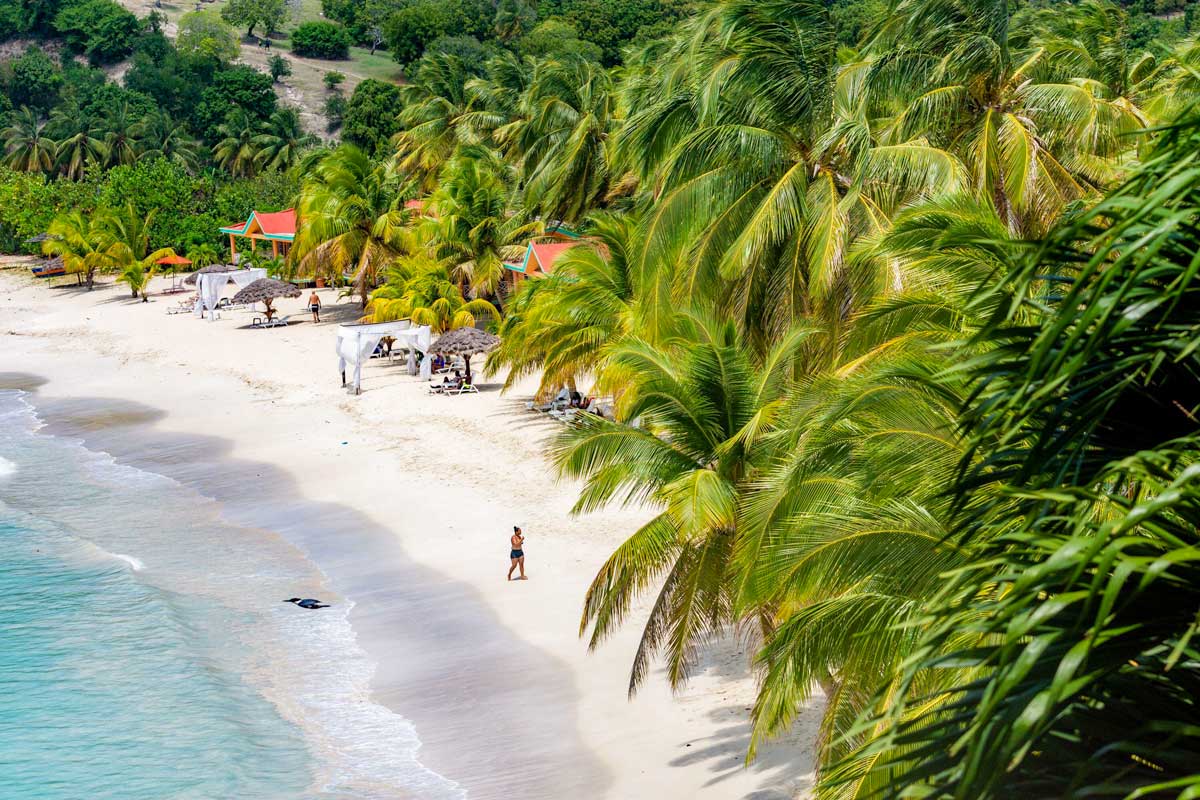
Île-à-Vache is lined with breathtaking beaches, but if you ask around, one name always comes up first: Abaka Bay. Powdery white sand, water so clear it looks painted, and a horizon that stretches on forever—this beach has earned its reputation as one of the best in Haiti (see for yourself).

For something more off-the-radar, take a stroll or a short boat ride to the island’s lesser-known beaches, where you might just have the entire shoreline to yourself.

Dive Beneath the Surface

Île-à-Vache isn’t just stunning above water—it’s just as mesmerizing below. Bring your snorkeling gear or ask a local fisherman to take you to the best reefs, where the coral is alive with color and fish dart like streaks of sunlight. If you’re lucky, you might even spot a sea turtle gliding past.

Surf Where No One Else Does

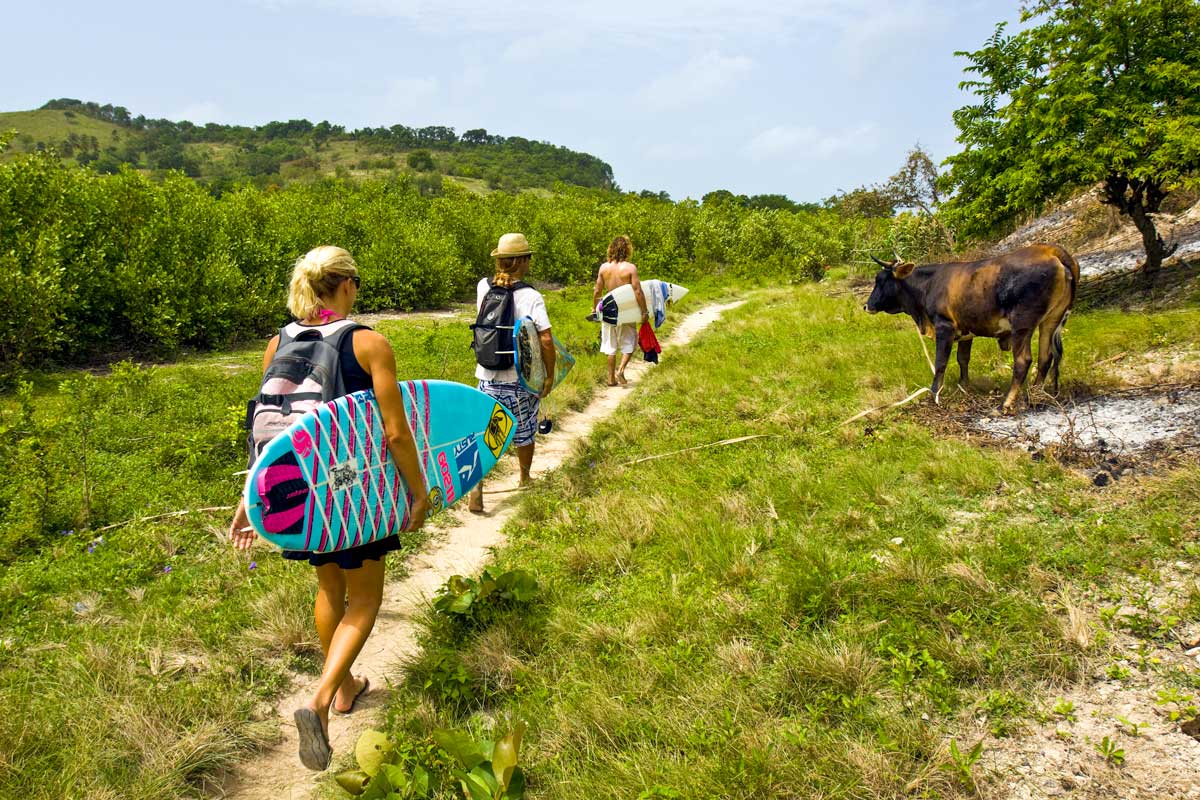
Haiti isn’t the first place that comes to mind when you think of surfing—but that’s exactly what makes it special. If you’re up for an adventure, Île-à-Vache has waves that roll in, untouched and unclaimed. No surf schools, no crowds—just you, the ocean, and the thrill of the ride. Want to explore more surf spots in Haiti? Check out our guide to surfing in Haiti.
Take a Boat Trip to Île des Amoureux

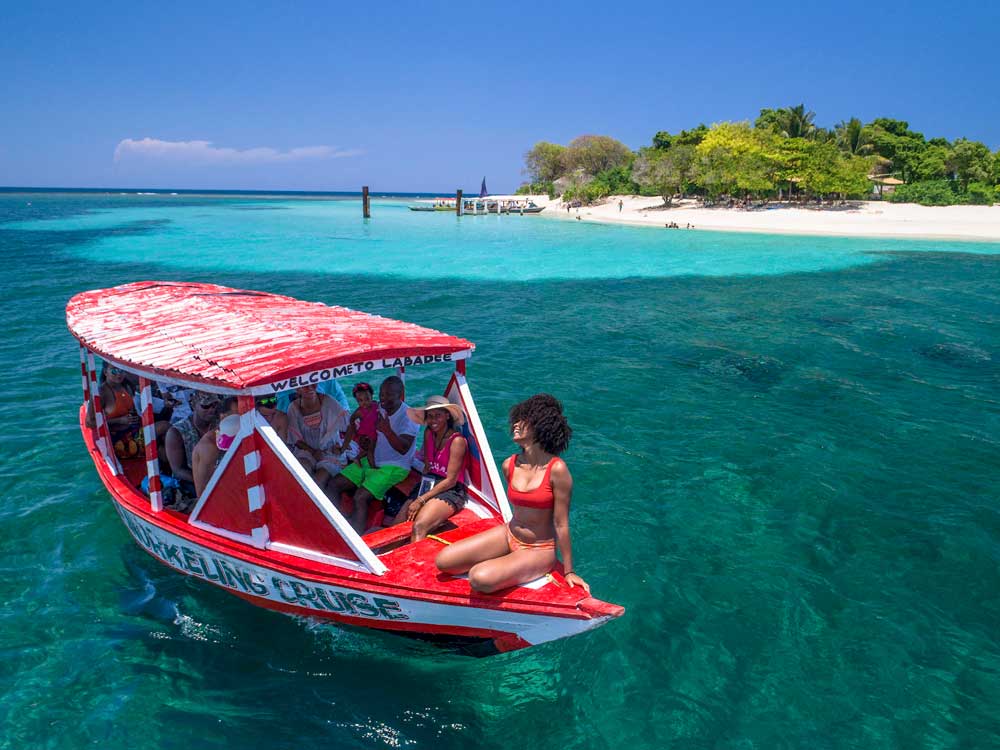
A tiny sandbank lost in the Caribbean blue, Île des Amoureux (Lovers Island) is the kind of place you’d think was a mirage if you didn’t actually step onto it. A 15-minute boat ride from Île-à-Vache, this barely-there island is perfect for a quick escape—whether you’re looking for romance, solitude, or just a place to float in the middle of the ocean with nothing but the sky above you.

Walk Through Coconut Groves and Coastal Paths

With no cars and no traffic, walking is the best way to experience Île-à-Vache. Follow dirt roads and hidden trails through coconut groves, across rolling green hills, and up to breathtaking viewpoints, where the ocean stretches endlessly in every direction. Along the way, you’ll pass small villages, friendly locals, and even a few secret beaches waiting to be discovered.

Where to Stay

As of 2025, the two main hotels, Port Morgan Hotel and Abaka Bay Resort, are temporarily closed due to the island receiving fewer visitors.

For those looking to experience Île-à-Vache’s quiet beauty, L’Anse à l’Eau is currently the only functional hotel on the island. With comfortable bungalows, stunning ocean views, and warm hospitality, it offers a place to truly disconnect. Guests praise the fresh seafood, peaceful atmosphere, and excellent service, making it an ideal spot for relaxation.

Since accommodation options are limited, it’s best to check availability in advance and consider local guesthouses for a more immersive stay.

Abaka Bay beach on Île-à-Vache
Photo: Alamy

How to Get to Île-à-Vache

Île-à-Vache is accessible only by boat or helicopter, adding to its secluded charm.

  • By Boat: The island can be reached by boat from Les Cayes, with a round-trip fare of approximately $50 USD. The scenic 45-minute ride takes you across the sparkling blue waters of the Caribbean. Most hotels and local tour operators can arrange transportation for you, so be sure to inquire in advance.
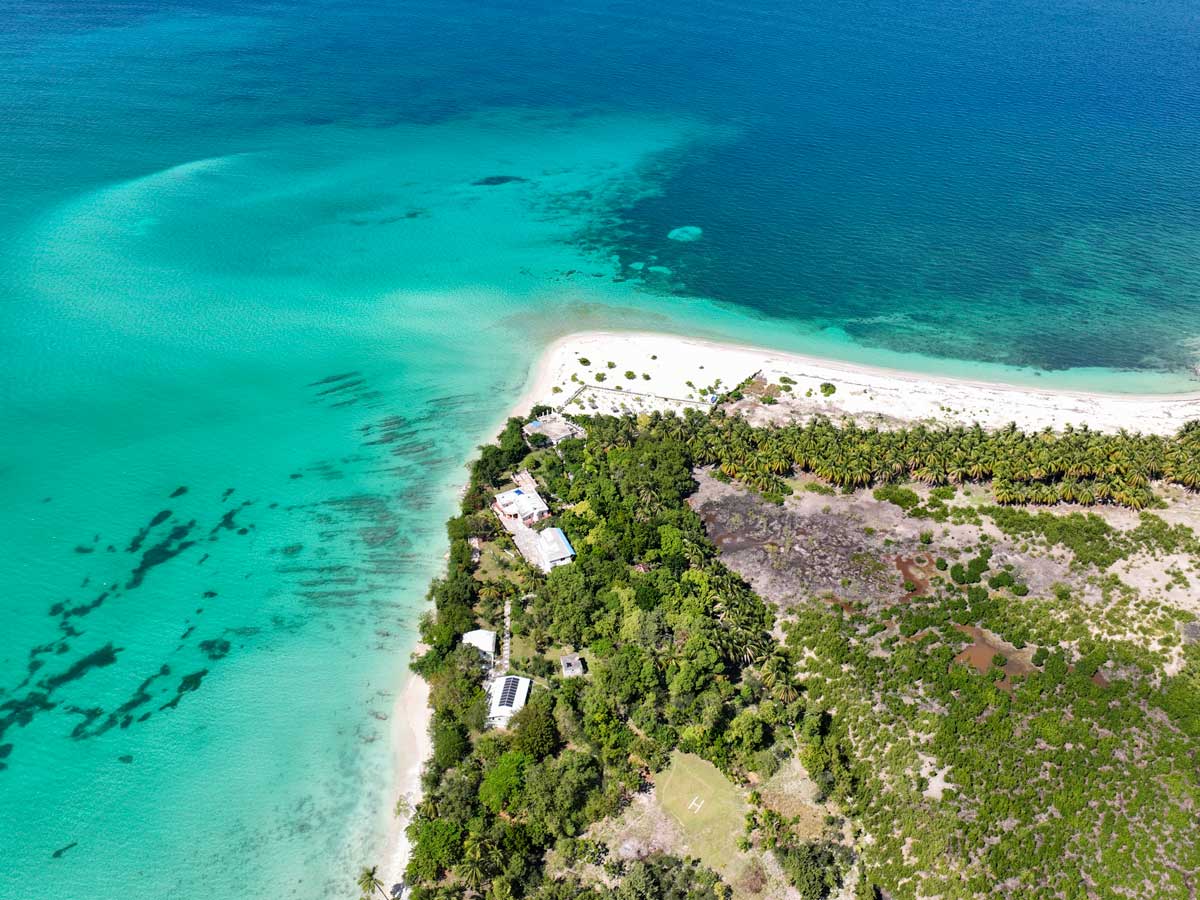
  • By Helicopter: For a more exclusive arrival, Île-à-Vache has several helipads, making it possible to arrange private helicopter transfers. This option is ideal for those seeking a faster and more luxurious way to reach the island.

Best Time to Visit and Travel Tips

The best time to visit Île-à-Vache is between December and April, when the skies are clear, the ocean is calm, and the island is at its most beautiful.

There are no ATMs on the island, so make sure to bring enough cash for your stay. Pack light, with essentials like sunscreen, a hat, and sturdy sandals—you’ll be moving at the relaxed pace of island life, where comfort is key.

Looking for more places like Île-à-Vache? Set sail for seven of Haiti’s most remote (and beautiful) islands in this coastal roundup.

L’Anse à l’Eau Hotel on Île-à-Vache
Photo: Anton Lau

Written by the Visit Haiti team.

Published March 20205.


Citadelle Henri

Citadelle Henri near Cap-Haïtien
Photo: Jean Oscar Augustin

Climb to the Citadelle and See the Fortress That Defended a Nation

Copy LinkEmailFacebookShare

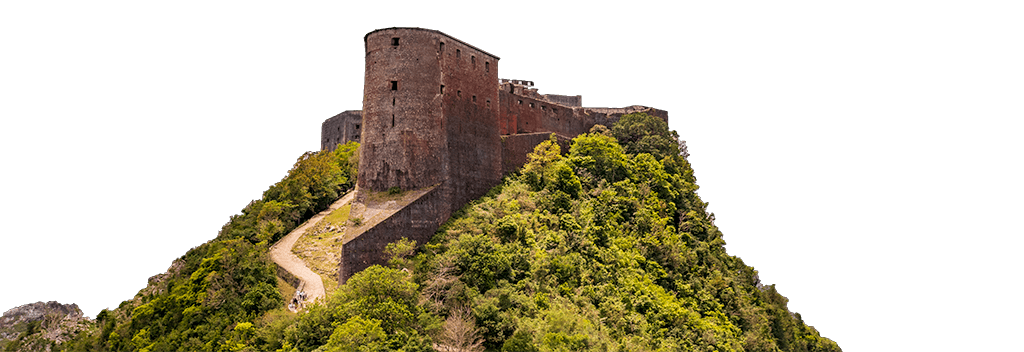
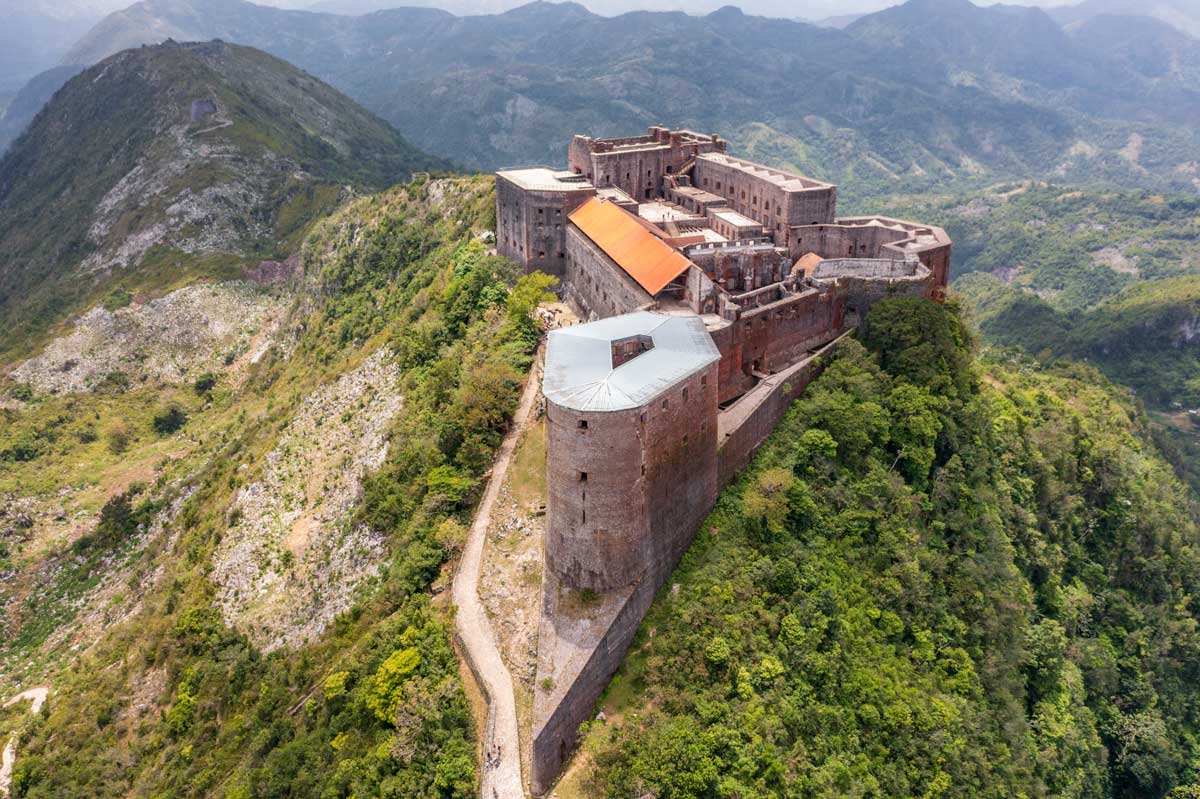
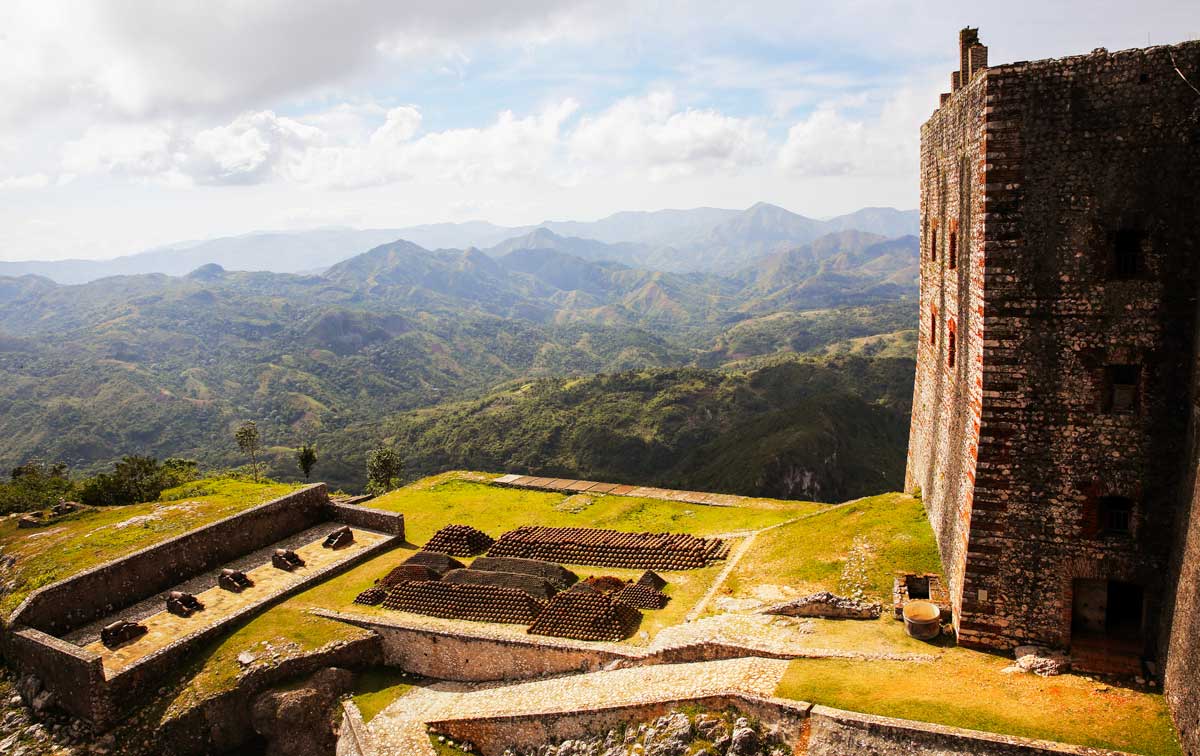
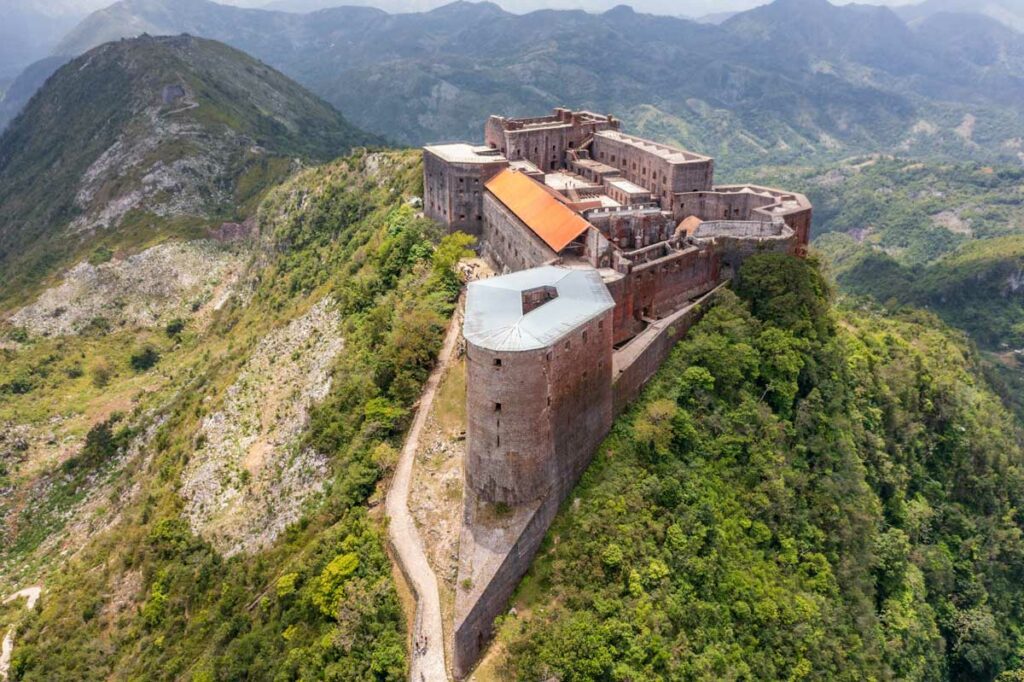
Citadelle Henri, known to locals simply as La Citadelle, is the largest fortress in the Americas. Haitians call it the eighth wonder of the world, and once you reach the summit of Pic Laferrière, you’ll understand why.

The mountaintop fortress is massive, rising 130 feet from Bonnet à l’Évêque, at an elevation of 3,000 feet above sea level. From here, you’ll take in unparalleled views in every direction—over jungle-clad mountains, winding rivers, and the shimmering Caribbean Sea.

Citadelle Henri in Milot
Photo: Angelo Miramonti

What You’ll See

Built to demonstrate the power of a newly independent Haiti, Citadelle Henri was also a defensive stronghold, designed to protect the country if the French attempted to retake the nation. The 100,000-square-foot fortress includes vast cisterns and storehouses, meant to supply the royal family and up to 5,000 people with enough food and water to withstand a year-long siege.

Armed with over 150 cannons, mostly captured from the English, French, and Spanish, the fortress once stored more than 50,000 cannonballs. With walls over 13 feet thick and rising 100 feet high, the Citadelle was built to be impenetrable.

Fortunately, the French never returned, the canons were never fired in combat, and the Citadelle is much the same today as it was 200 years ago. In recent years, restoration efforts have been supported by organizations like the World Monuments Fund, which works to protect this historic site for future generations.

Visitors can spend hours exploring the site—walking its ramparts, drawbridges, cannon batteries, and long corridors designed to outwit invaders. Many windows and ramparts drop off into sheer cliffs, offering breathtaking views of northern Haiti.

Inside the courtyard, you’ll find a brand-new museum, an art gallery, and modern restrooms, along with a small gift shop selling drinks and postcards.

A National Icon

Citadelle Henri is Haiti’s most popular historic site, visited by both Haitians and travelers alike. It holds a visible place of pride in Haitian culture—you’ll see its distinct triangular shape on 5 HTG coins, 100 HTG bills, and even the covers of school textbooks.

Citadelle Henri
Photo: Jean Oscar Augustin

The History Behind Citadelle Henri

Citadelle Henri was constructed between 1805 and 1820, following Haiti’s successful revolution, in which the formerly enslaved African-descended population overthrew French colonial rule and declared independence. It took 15 years and 20,000 people to build.

The fortress was part of a larger defensive network, which included Fort Jacques and Fort Ogé, all built to protect Haiti from future invasions by European forces from neighboring colonies. While earlier forts were constructed during the revolution itself, Henri Christophe ordered the construction of the Citadelle in 1805, just one year after independence, as a permanent stronghold against potential attacks.

Rising 130 feet above the mountaintop, the Citadelle not only provided strategic defense but also sent a clear message. Even from its base, the fortress offers uninterrupted views of the sea, but more importantly, it could be seen from miles offshore—a warning to any would-be invaders that Haiti was ready to defend itself.

Construction, personally overseen by Christophe, was completed in 1820, cementing the Citadelle’s place as one of the greatest military fortifications in the Americas. Today, it is not only a national symbol but also a UNESCO World Heritage Site, recognized for its historical and architectural significance.

Citadelle Henri
Photo: Jean Oscar Augustin

Getting there

The Citadelle is located in the town of Milot, just south of Cap-Haïtien, about a one-hour drive away.

The journey begins near the entrance to Sans-Souci Palace, where visitors must pay an entry fee of $10 USD. Here, you’ll find plenty of local guides offering tours of both Sans-Souci Palace and the Citadelle. Guide prices vary depending on your group size, but the fee is per person and covers both sites.

At the entrance, you’ll also find vendors selling drinks, snacks, and souvenirs—but be sure to bring cash, as you’ll need it for transportation, entry fees, tipping, and purchases. It’s also a good idea to bring water, especially if you plan to hike.

To reach the Citadelle’s summit, you have three options:

  • Take a moto (motorbike taxi) for around $10 USD.
  • Hike on foot (1 to 2 hours, depending on your fitness level).
  • Ride on horseback ($15 USD).

The route from Sans-Souci to the Citadelle is only 4 miles (6.5 kilometers), but with an elevation gain of over 2,000 feet (700 meters), the climb is steep. Many visitors choose to stay overnight in one of the many hotels in Cap-Haïtien rather than making it a rushed trip. If you’re spending time in the city, be sure to check out the coolest things to do in Cap-Haïtien and beyond to make the most of your visit.


Written by Kelly Paulemon.

Published April 2019.
Updated March 2025.


Read story