TRAVEL UPDATE: Visit Haiti from Home

taíno

Explore the Waterfall and Grottoes of Bassin Zim

People swimming beneath a waterfall in Bassin Zim, Haiti
Bassin Zim
Photo: Anton Lau

Explore the Waterfall and Glittering Grottoes of Bassin Zim

Copy LinkEmailFacebookShare

Bassin Zim, located just north of Hinche, is a spectacular natural landmark featuring a cascading waterfall, a chain of turquoise-hued pools, and a network of glittering underground grottoes. While legends whisper of buried treasure, the true riches of Bassin Zim are in plain sight.

The magnificent waterfall at the heart of Bassin Zim doesn’t drop straight down, but instead fans out over the mountainside, forming a wide, veil-like cascade that flows into the basins below. It’s one of the most breathtaking sights in Haiti.
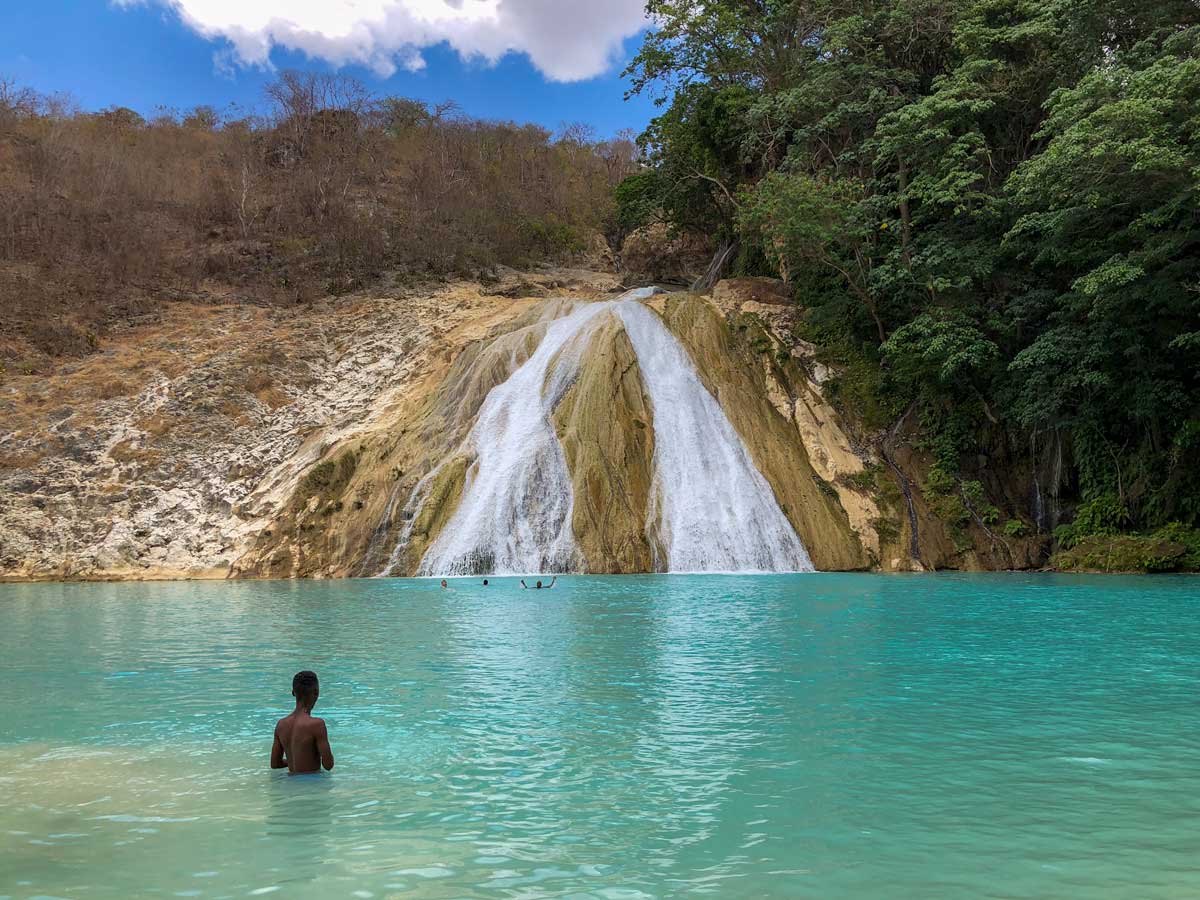
Swimming at Bassin Zim
Photo: Anton Lau

A narrow path winds from the basins up to the top of the waterfall. Those who find their way may be lucky enough to watch local divers leaping into the pools below—a daring feat requiring skill and experience. We don’t recommend travelers try it, though—the jump is far more dangerous than it looks, and there are plenty of other adventures to be had at Bassin Zim without taking unnecessary risks.

For many, Bassin Zim carries deep spiritual significance. Some believe that “pure souls” journey here after death to receive their blessings. Others say that the Taíno Amerindians, the island’s first inhabitants, hid great treasures within the basins and caves.
Buried Treasure

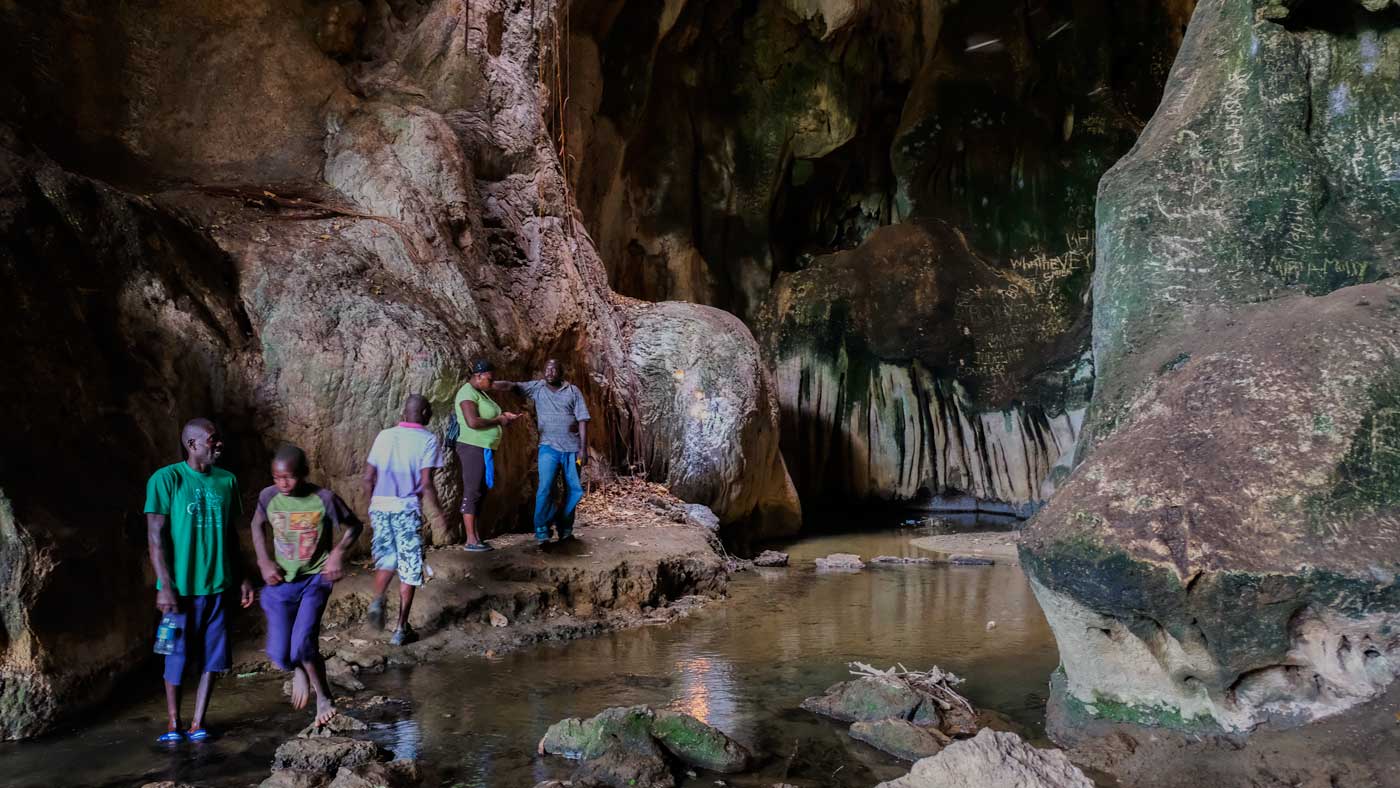
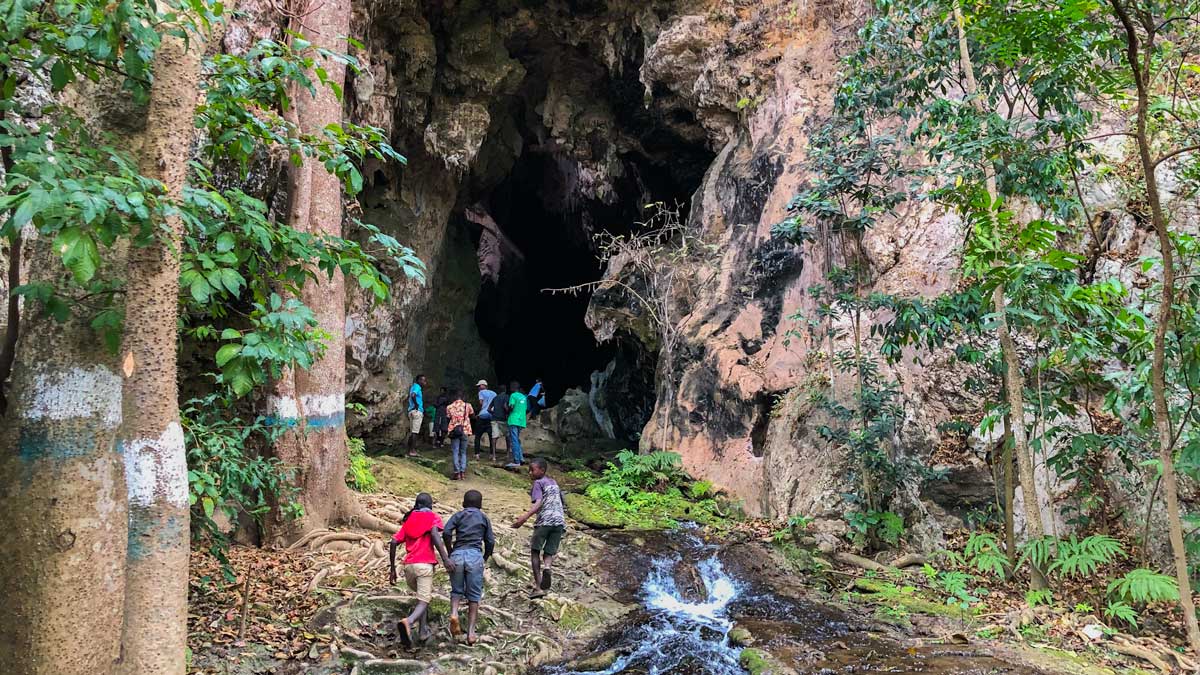
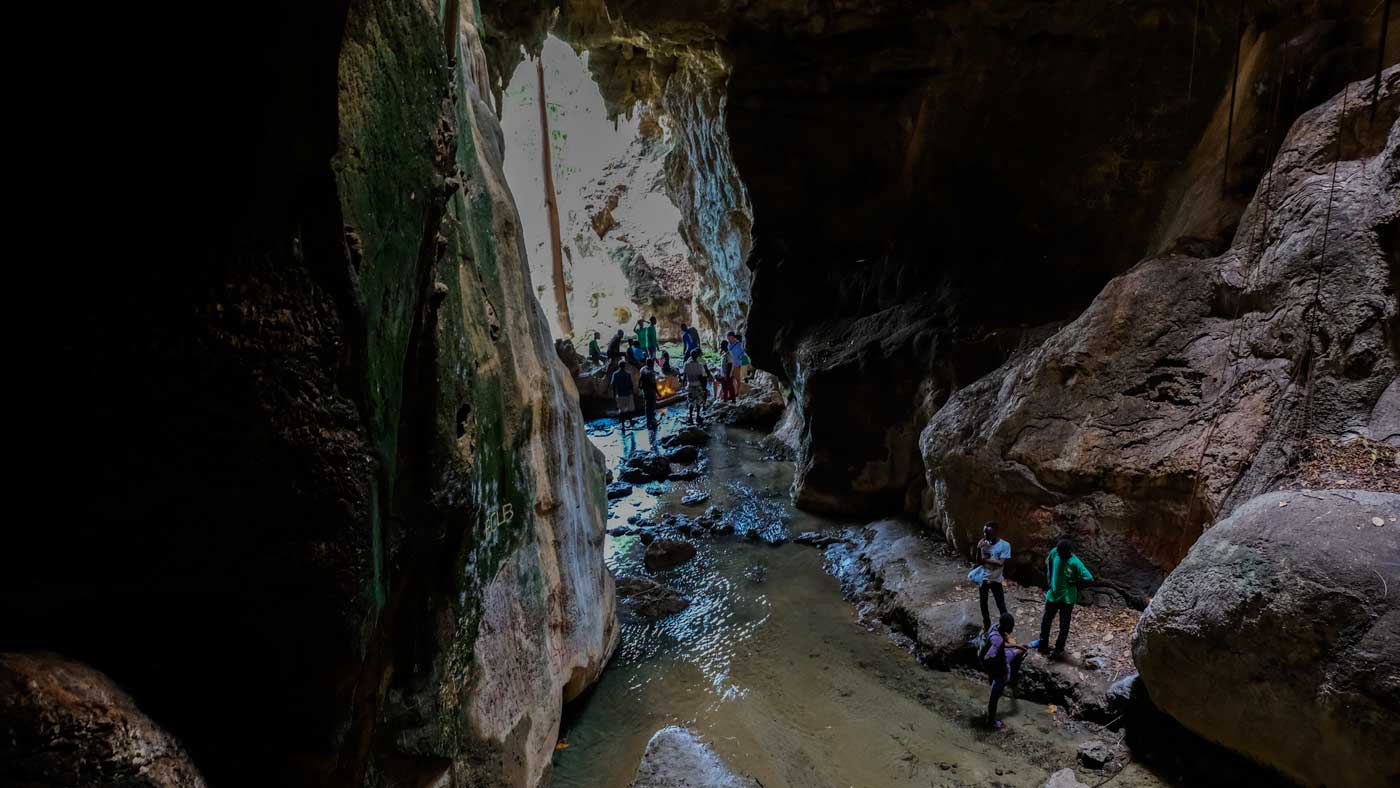
Hidden beneath Bassin Zim is a network of high-ceilinged grottos that are just as magical as the waterfall above. Inside, ankle-deep water flows over smooth rocks and ancient stalagmites, while the walls, painted vivid green with moss, glisten in the shifting light. Stalactites hang like chandeliers, and otherworldly rock formations emerge from the cavern floors, shaped over centuries by water and time. For photographers, this setting offers some of the most dramatic and unforgettable shots in Haiti.

The caves at Bassin Zim hold more than just natural beauty—they are also home to ancient Taíno petroglyphs, carvings left behind by the island’s earliest inhabitants. These symbols, etched into the stone, offer a rare glimpse into Haiti’s pre-Columbian past, making the grottoes a site of both natural and cultural significance.

The legends don’t stop there. Some believe that Charlemagne Péralte, the revered leader of Haiti’s anti-occupation resistance, once took refuge in these very caves, using them as a hidden stronghold. While the truth remains unknown, the sense of mystery only adds to Bassin Zim’s allure.

Of course, not everything in these caves is ancient treasure—some grottos have less welcome surprises. While you’re unlikely to stumble upon pirates or gold, there’s a real chance of encountering wasps nesting in the rock formations. A local guide will know which areas to avoid.

Want a closer look at Bassin Zim’s breathtaking waterfalls and hidden grottos? Watch this video for a stunning glimpse into the landscape.

Getting to Bassin Zim

Bassin Zim is located about 35 minutes from Hinche, deep in Haiti’s rural countryside. The road leading to the waterfall is increasingly degraded due to lack of maintenance, so a 4×4 vehicle is highly recommended. If you’re traveling without a car, taking a moto taxi is the easiest option from Hinche.

If you’re coming from Cap-Haïtien, expect a 3-hour drive to Hinche before making your way to Bassin Zim. While the journey is long, it’s worth it for the chance to experience one of Haiti’s most stunning waterfalls year-round.

There are only a few food vendors and no restaurants nearby, so it’s best to bring your own snacks, water, and essentials for the trip. You might find someone selling coconuts, but options are very limited.

Entrance Fees

  • Locals: 50 HTG
  • Tourists: 250 HTG

Hiring a Guide
While Bassin Zim is open to all visitors, navigating the terrain can be tricky—especially if you plan on swimming. A local guide is highly recommended for safety and to get the best experience.

  • Guide fees range from 500-1000 HTG—be sure to negotiate before starting and have the correct bills.
  • If you don’t pick a guide yourself, multiple guides may follow you expecting payment. Choose one and politely insist the others leave.
  • If swimming, let your guide assist you—they know the safest entry and exit points.

Best Time to Visit
Unlike some waterfalls in Haiti that lose their beauty in the dry season, Bassin Zim remains stunning year-round. Even after rainfall, the water stays clear, unlike Bassin Bleu, which can become murky.


Written by Kelly Paulemon.

Published July 2018.
Updated March 2025.


Read story

Dondon grottoes

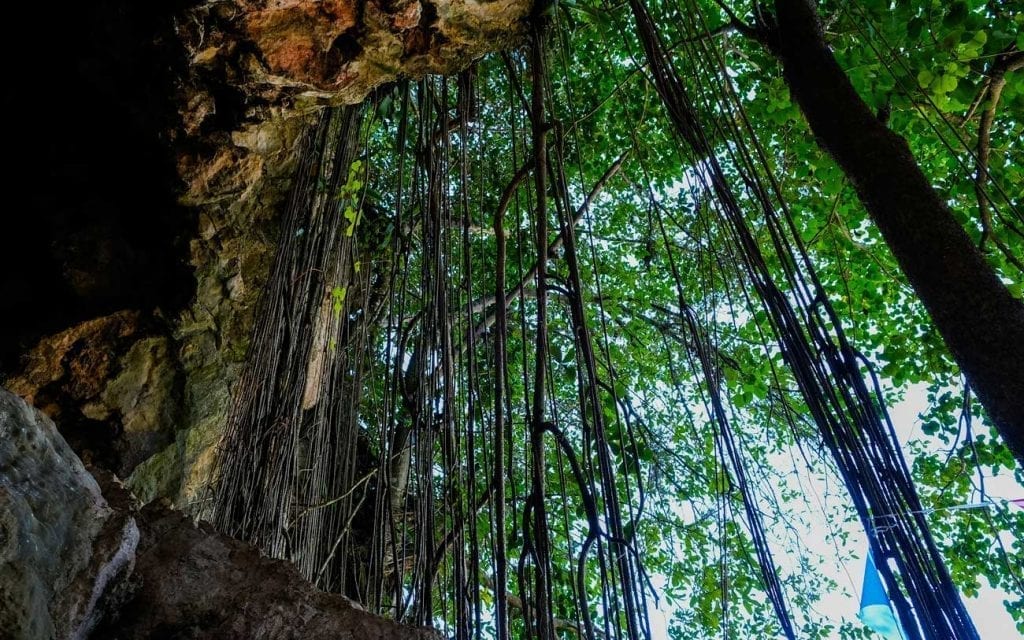
view from inside a cave with vines in entrance
View of Dondon from inside a grotto
Photo: Franck Fontain

Dondon grottoes

Copy LinkEmailFacebookShare

Located in the mountains of northern Haiti, Dondon has been settled since pre-colonial times when Haiti’s indigenous Taíno peoples lived there. This little corner of Haiti attracts a lot of tourists, and the main drawcard for visitors is the opportunity to explore the stunning system of grottoes nearby.

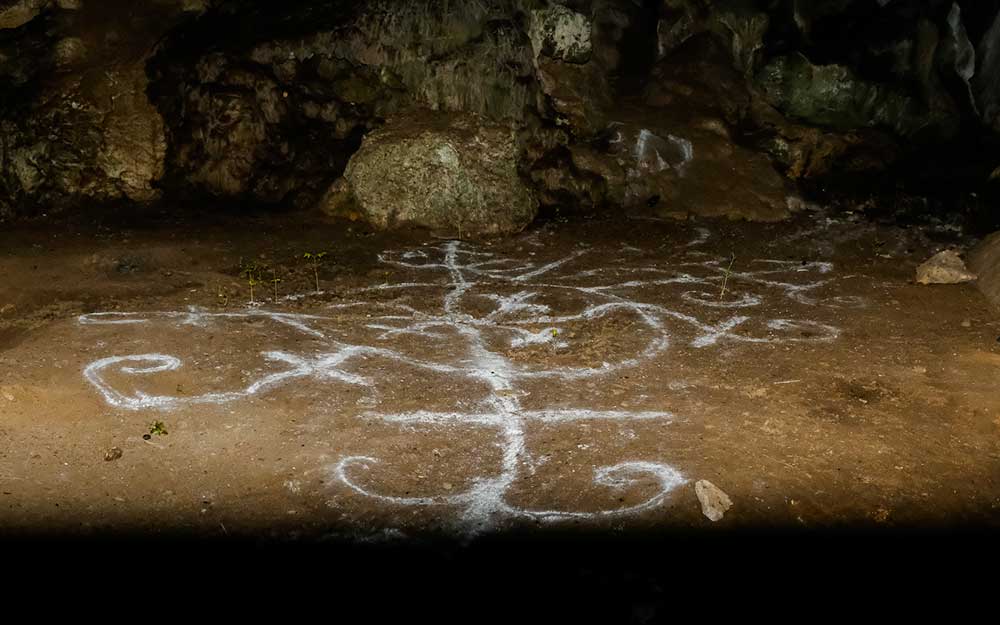
vodou symbol painted on a cave floor
Vodou vèvè inside a grotto in Dondon
Photo: Franck Fontain

The grottoes

Dondon’s spectacular cave system has ten separate grottoes. Some are easy to access and have a given name: Ladies’ Vault, Marc-Antoine grotto, Smoke Vault, Cadelia Vault, Saint Martin Vault, Minguet Vault and Michel grotto, all named because of their individual history.

Some of these caves were Taíno cult locations during the pre-colombian period, where the Taínos would come to pray to their gods. One of the gods prayed to in times of drought is still visible on the walls of the grotto, and in post-colonial times is venerated by vodouwizan as an important figure within vodou. The other grottoes remain unnamed, their histories steeped in mystery.

Guided tours

Many Dondon area locals – young and old – are happy to jump into the role of guide for the grottoes. Some have learned by heart formulas in French and English, which can make for charming – if confusing – conversation.

Experienced and impromptu guides will be more than happy to help you discover the best spots, hidden petroglyphs and the history infusing these grottoes – some of this history only survives as stories handed down from generation to generation, so you won’t find it anywhere else.

haitian man sitting on donkey drinking in river
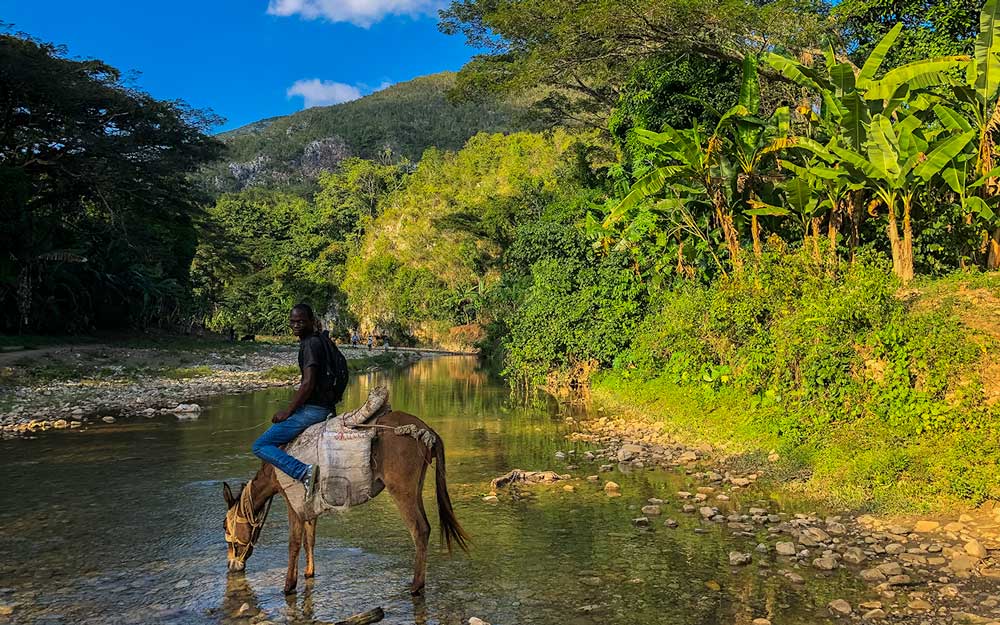
A man on a donkey by Riviere Bouyaja in Dondon
Photo: Anton Lau

Festivals in Dondon

Every town in Haiti has its own patron saint festival. In Dondon, pilgrims come from far and wide to celebrate Saint Martin of Tours. Some come here to party, others come as tourists to observe, but most are here to honor the Vodou divinities, the lwa believed to live here. The patron saint festival of Saint Martin of Tours happens in Dondon on November 9 – 11, but party preparations start on November 7. For five days, crowds filter into Dondon to savor kleren, eat delicious griot, and dance to troubadour music from morning ‘til night.

There is also the Dondon Festival, held from July 18 to 23. This festival is about Dondon itself rather than lwa, and draws vacationers who come to take advantage of the great swimming spots in nearby rivers, go on excursions and participate in the conferences that take place for the occasion.

What else is nearby?

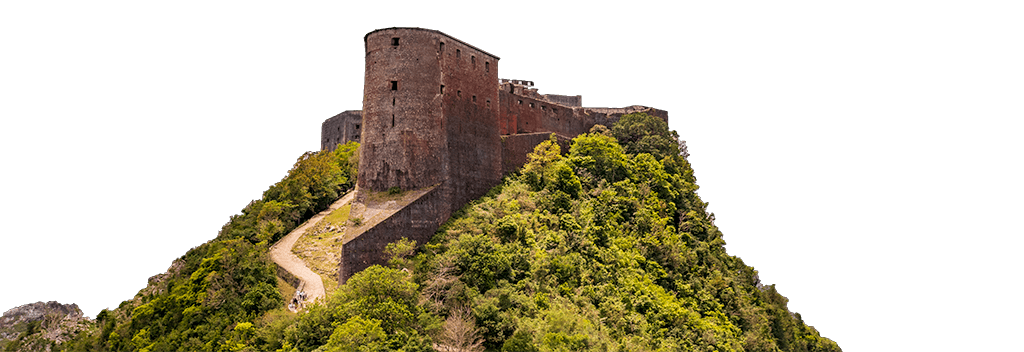
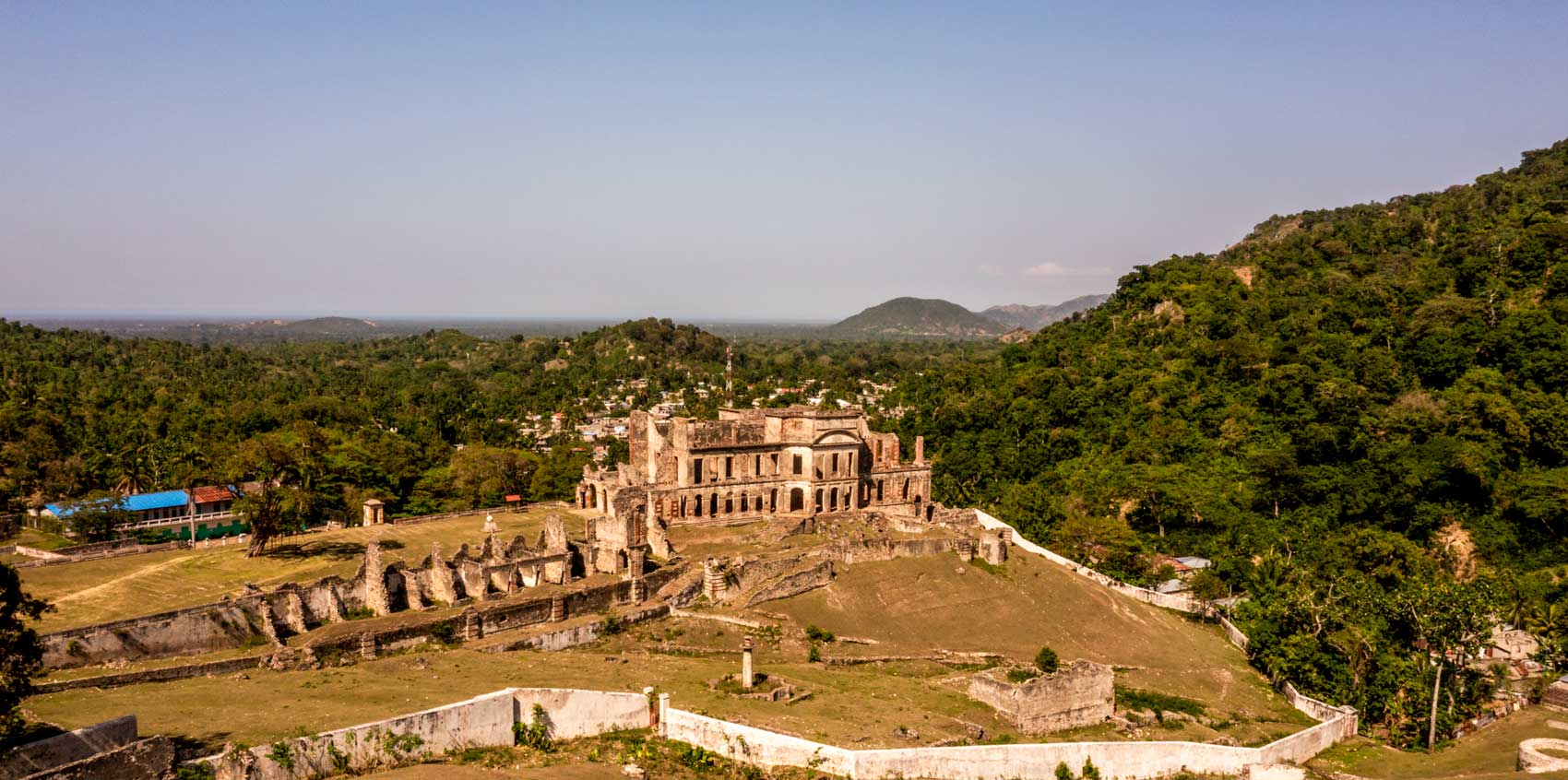
Dondon is close to the UNESCO World Heritage Sans-Souci Palace and Citadelle Laferrière, which locals call the eighth wonder of the world. A visit to both sites is considered essential for any visit to Haiti, and the journey there is well-worth the effort.

Fort Moïse, on top of the Saint Martin Vault, is also close by. Other attractions include the Kota waterfall and the historical Vincent Ogé residence. The on-site coffee co-op at the residence is a great place to taste the very particular flavor of Haitian coffee.

cave entrance with vines and trees
Overgrown entrance to a grotto in Dondon
Photo: Franck Fontain

Getting to the Dondon grottoes

Dondon is located in the north of Haiti, about a two hour drive south of Cap-Haïtien. The journey to Dondon will take you over roads that are winding and can be pretty rough in places. On paper (or GPS), the route through the town of Saint-Michel might look good, but that road serves up more adventure than most travellers are looking for, and we don’t recommended it. The best way to get to Dondon we’ve found is this one:

From Port-au-Prince, drive out of the capital towards Cap-Haïtien via Route Nationale #1. The road to Cap-Haïtien makes up the longest chunk of the drive, but its recent completion makes it a comfortable trip, not to mention a scenic one, with many towns to stop in along the way, each with their own character. Once in Cap-Haïtien, continue towards the town of Milot. Make a left after you pass Rivière du Nord, and in another hour or so you’ll arrive at Dondon.

There’s no formal fee to see the caves but you’ll need to hire a (formal or informal) guide. Remember to bring food and drinks with you for the trip as there’s no guarantee you’ll find anything on site, although Lakou Lakay is a great place to stop for lunch if you’re travelling via Milot.


Written by Jean Fils and translated by Kelly Paulemon.

Published April 2020


Read story

The Museum of the Haitian National Pantheon

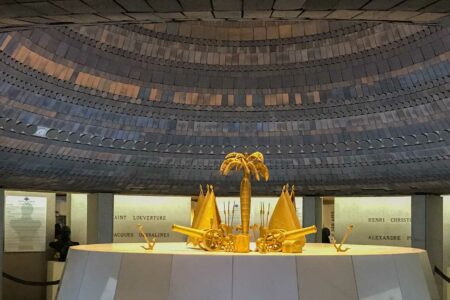
interior of haitian MUPANAH museum with golden sculptures
MUPANAH – Museum of The Haitian National Pantheon
Photo: Anton Lau

The Museum of the Haitian National Pantheon

Copy LinkEmailFacebookShare

About the museum

Much of Haitian heritage is preserved orally. Songs, stories and structured debates rehearse and refine the histories and experiences down the centuries. As a visitor, you can only scratch the surface of this unseen medium of memory. If you’re in Champ-de-Mars, and you’re lucky, you might witness the debate circles that are part of the island nation’s oral tradition.

Material cultural memories, however, are a little easier for the curious traveller to find. If you’re in downtown Champ-de-Mars, you can find it in the Museum of the Haitian National Pantheon, or MUPANAH. Built partially underground, this museum displays artefacts illustrating Haiti’s history with an emphasis on its revolutionary years and its political and cultural forefathers.

Thanks to being partly underground, the museum survived the massive earthquake of 2010 almost unscathed. First opened in 1983, MUPANAH was designed to safeguard and display the lives and accomplishments of the country’s important forefathers: Alexandre Pétion, Henry Christophe, Toussaint Louverture, and Jean-Jacques Dessalines. This is where a lot of Haiti’s physical colonial history is kept intact.

What you’ll see

For a small fee, visitors get access to a wealth of history on Haiti and its past. Self-designated as the guardian of Haitian history, the museum is split into two show rooms: a permanent exhibit, and a temporary exhibit.

The permanent exhibit showcases artefacts from the pre-Columbian period to the contemporary period. It emphasizes the revolutionary period, during which an army of self-freed slaves and free people of color fought off the colonial system to abolish slavery.

A tour guide take visitors through Haitian history, starting off with the Taíno people who first inhabited the island. Visitors are walked through the voyages of the first colonizers to set foot on the island: the Spaniards.

Learn how Spanish colonizers used the Taíno people of the island as a resource, and how it came about that they began to traffic African slaves to Hispaniola as well.

See real examples of the actual shackles that were used to keep slaves under control, alongside gruesome instruments of torture used the slave masters. While this may be shocking for some visitors, the museum and its advisory board believe this is an important part of Haitian history that should be kept alive for the sake of our collective memory.

See the anchor of the Santa Maria ship – on which Christopher Colombus arrived in Haiti – standing at a daunting thirteen feet tall. This cold hunk of metal is a chilling reminder of the trigger that began the centuries of upheaval now embedded in the Haiti’s history and national identity.

Read documents signed by, and belonging to, prominent presidents – such as noted dictator François Duvalier – the museum also features the silver handgun which Henri Christophe used to commit suicide. On a more uplifting note, you’ll get to see the bell that was rung to announce that the country’s population were claiming their independence.

Temporary exhibits

The temporary exhibit displays artworks from various Haitian artists, and rotates on a regular basis. The art is often chosen based on a particular theme, including current events, music, social and economic issues, or historical events such as French colonisation.

Relax in gorgeous gardens

Outside of the museum are the MUPANAH Gardens. Open from Monday to Saturday, the Gardens are set in a lovely white greenhouse-like space with large open windows throughout. Light, airy, and expansive, the Gardens are a much needed antidote to Haiti’s often heavy history, and are a worthy destination in their own right for anyone looking for fresh air and tranquility in Port-au-Prince.

The Gardens feature a sculpture garden and sitting area set in the middle of typical Haitian greenery, and house the museum’s restaurant and gift shop. Overlooking the lush green spaces surrounding the museum, you can dig into some of the city’s best French cuisine. Sitting at a table in the Gardens for lunch is an upscale outdoor dining experience – a vivid contrast to the sizzling street food scene of downtown Port-au-Prince.

The Gardens also serve as a popular location for cultural events all year round, including the International Jazz Festival of Port-au-Prince. Special events, meals, or cocktails are announced at the venue itself, but also via social media.

Getting there

The museum is open seven days a week, including holidays. Tours are offered in French, Creole, and in English.

The Museum of the Haitian National Pantheon is located in Champs de Mars, downtown Port-au-Prince.


Written by Kelly Paulemon.

Published July 2019


Read story